



The Science Behind Soaking
The primary reason people soak nuts revolves around compounds that act as a plant's natural defence mechanism. Raw nuts, seeds, and grains contain substances like phytic acid and enzyme inhibitors. Phytic acid, sometimes called an 'anti-nutrient', is the
main storage form of phosphorus in plants. It can bind to minerals like iron, zinc, and calcium in your gut, potentially reducing their absorption from that meal. Enzyme inhibitors, as the name suggests, can interfere with your body's own digestive enzymes, which may make nuts feel heavy or difficult to digest for some individuals. The theory is that by soaking nuts in water, we mimic the germination process. This process is thought to neutralize a portion of the phytic acid and reduce enzyme inhibitors, effectively 'pre-digesting' the nut and making its nutrients more available to our bodies.
Potential Benefits of the Practice
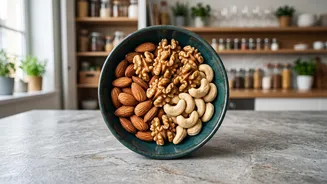
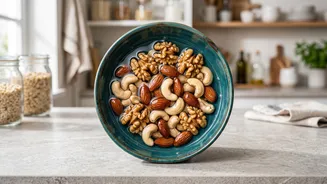
While scientific research on the specific benefits of soaking nuts is still developing and sometimes mixed, many people report noticeable improvements. The most common anecdotal benefit is easier digestion. Individuals who experience bloating or discomfort after eating raw nuts often find the soaked versions are gentler on their system. Soaking also physically softens the nuts, which can result in a creamier, less bitter taste, particularly in almonds and walnuts. This improved texture is why soaked cashews are a popular base for vegan cheeses and creamy sauces. For some, activating nuts through soaking unlocks a more pleasant eating experience overall, making it easier to incorporate these nutritious foods into their daily diet without digestive complaints.
A Practical Guide to Soaking Nuts
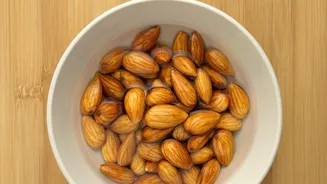
Getting started with soaking is simple. All you need are raw, unsalted nuts, a bowl, water, and a pinch of salt, which some believe helps activate the enzymes more effectively. First, place your nuts in a glass bowl or jar. There's no need to use an exact measurement, but ensure you have enough room for them to expand. Next, cover the nuts completely with warm, filtered water, adding about an extra inch of water on top. Stir in about a teaspoon of salt per two cups of nuts until it dissolves. Leave the bowl on the counter at room temperature to soak. The soaking time depends on the type of nut, as their composition varies.
Soaking Times for Common Nuts
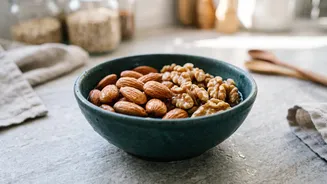
Different nuts have different levels of hardness and oil content, which affects how long they need to soak. Harder nuts generally require a longer soaking time. Here’s a quick reference:
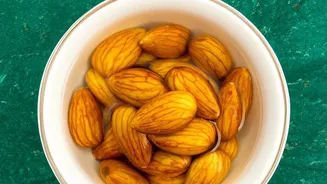
- Almonds: 8 to 12 hours. Soaking helps soften them and reduce the bitterness from their skins.
- Walnuts and Pecans: 4 to 8 hours. These oilier nuts have a softer texture and require less time.
- Cashews: 2 to 4 hours. Cashews become slimy if soaked for too long, so keep it short. Note that all cashews are steamed before sale to remove a toxic shell, so they are never truly 'raw'.
- Hazelnuts: 8 hours.
- Macadamia Nuts and Pine Nuts: These have very low levels of phytic acid and a high fat content, so they do not require soaking.
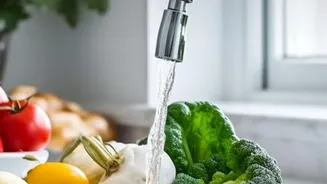
After soaking, you'll notice the water is cloudy. This is normal. Pour the nuts into a colander and rinse them thoroughly with fresh water. You can then use the softened nuts immediately in smoothies or recipes, or you can dehydrate them for a crispy snack.
What to Do After Soaking
Once rinsed, your soaked nuts are ready to eat. They will be soft and plump. If you prefer the classic crunch, you'll need to dehydrate them. You can do this in a food dehydrator or in your oven on its lowest temperature setting, typically around 65°C to 75°C. Spread the nuts in a single layer on a baking sheet and let them dry for 12 to 24 hours, or until they are completely dry and crispy. The time will vary depending on your oven and the type of nut. Stored in an airtight container, these 'crispy' nuts will last for several weeks. It is important to discard the soak water, as it contains the compounds you are trying to reduce. Soaked nuts that are not dehydrated are perishable and should be stored in the refrigerator and consumed within a couple of days.