



The Anatomy of a Feeling
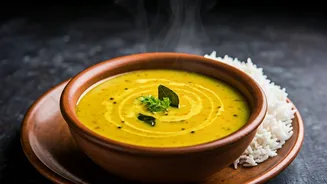
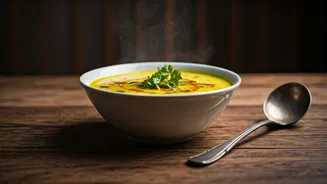
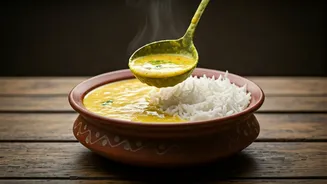
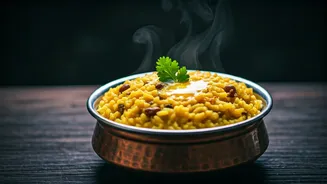
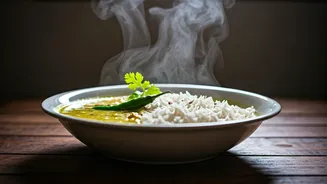
What is it about this seemingly simple dish that holds such a powerful emotional grip on us? At its core, Kadhi Chawal is a masterclass in balance. It's the gentle sourness of the yogurt-based curry, thickened with earthy gram flour (besan), playing against
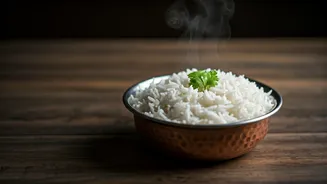
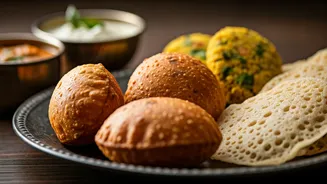
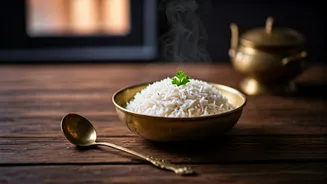
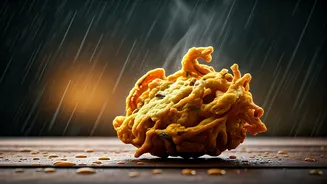
the clean, fluffy canvas of plain boiled rice. It’s the textural surprise of soft, spongy pakoras (fritters) soaking up the flavourful gravy. Every spoonful offers a perfect symphony of tangy, savoury, and sometimes subtly sweet notes. It’s a dish that doesn’t shout; it whispers of comfort, satiety, and the quiet joy of a meal that feels both nourishing and indulgent. This combination is more than just ingredients; it’s a formula for contentment that our brains have been hardwired to recognise since childhood.
A Recipe Passed Through Generations
Few people learn to make their family’s signature Kadhi from a recipe book. It’s a dish taught through observation, a legacy passed down from a grandmother’s practiced hands to a mother’s watchful eye. You learn by the 'andaaza' (estimation) of spices, the right consistency of the batter, and the specific sound of the tadka (tempering) when the mustard seeds and curry leaves hit hot ghee. Each family has its own secret. Is it a pinch of jaggery to balance the tang? A dash of garlic and ginger paste? Or perhaps the pakoras are laced with onions and spinach? This unwritten recipe is what makes every household’s Kadhi Chawal unique, a taste of your specific home that can never be perfectly replicated in a restaurant. It’s a meal that is inextricably linked to the person who made it for you with unwavering love and care.
A Unifier in a Land of Diversity
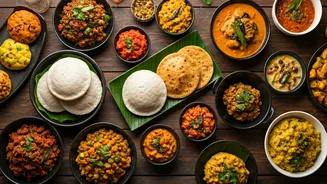
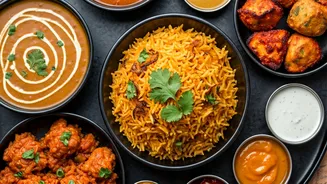
While the feeling it evokes is universal, Kadhi itself is a beautiful reflection of India's culinary diversity. The Punjabi version is often thick, spicy, and packed with hearty besan pakoras. Travel west, and the Gujarati Kadhi is thinner, sweeter, and lighter, often devoid of pakoras but fragrant with cloves and cinnamon. In Rajasthan, it’s a sharp, spicy affair, sometimes made without any pakoras at all, relying on the robust flavours of a yogurt and besan base. The Maharashtrian ‘Takachi Kadhi’ is light and often served as part of a larger thali. Even in states where it’s less common, variations exist. This adaptability is key to its charm. No matter where you are from, there is a version of Kadhi that feels like it belongs to you. It's a single culinary concept that speaks countless regional dialects, connecting us through a shared love for a bowl of soupy, tangy goodness.
The Ultimate Comfort Meal
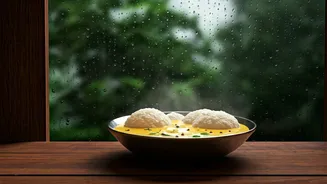
Kadhi Chawal is not a dish for celebrations or grand occasions. It’s the food of everyday life, and that is precisely where its power lies. It’s the meal your mother makes on a rainy afternoon when the sky is grey and you need something warm. It’s the light, easy-on-the-stomach dinner after a week of heavy festive eating. It’s the Sunday lunch that signals a slow, restful day ahead. This association with moments of peace, safety, and recovery solidifies its status as the ultimate comfort food. When we eat it as adults, we aren’t just tasting the yogurt and spices; we are tasting the memory of being looked after, of a time when a simple meal was enough to make everything feel right in the world. It’s a direct line to our past, a tangible connection to a simpler, more comforting time.