







The End of 'Roughly'
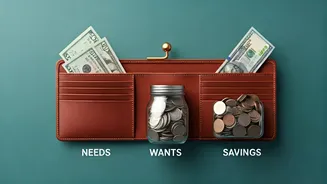
Many of us think we know what we spend, 'roughly'. But these rough estimates often hide the truth. That daily cup of coffee, the multiple food delivery orders, and the forgotten monthly subscriptions can add up to a startling amount. One financial advisor
shared the story of a client who thought he spent ₹8,000 a month on food delivery, but the actual figure was ₹18,000. That ₹10,000 gap is where financial goals can get lost. Budgeting apps replace guesswork with data, giving you an honest, clear picture of your financial life. They connect the dots between your income and your outgoings, showing you the real-time story of your money.
Automate Your Expense Tracking
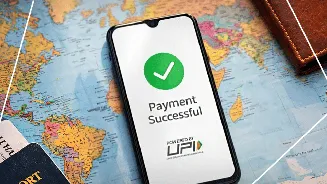
The single biggest change in personal finance is automation. In India, with the explosion of UPI and digital transactions, manually logging every expense is impractical. Modern budgeting apps solve this by automatically tracking your spending. Many apps can read your transaction SMS alerts to categorise expenses automatically. A newer, more secure method is the Account Aggregator (AA) framework, an RBI-regulated system that lets apps access your transaction data with your explicit, read-only permission. This means every UPI payment, card swipe, and online purchase can be logged and categorised without you lifting a finger, saving you time and ensuring no expense is forgotten.
Gain Clarity with Visual Reports
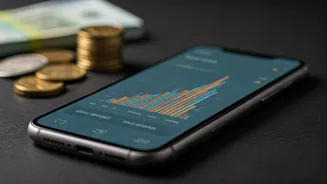
Data is only useful if you can understand it. The best budgeting apps transform long lists of transactions into simple, visual reports like pie charts and bar graphs. In a single glance, you can see what percentage of your income is going toward groceries, entertainment, travel, or EMIs. This visual feedback is powerful. It helps you quickly identify spending patterns, spot areas where you might be overspending, and make informed decisions. Seeing a visual representation of your financial habits is often the first step towards changing them for the better.
Never Miss a Bill Payment Again
Late fees are an unnecessary drain on your finances. Juggling due dates for credit cards, electricity bills, loan EMIs, and streaming services can be stressful. Many budgeting apps come with a bill reminder feature, alerting you when payments are due. This simple tool helps you stay organised, avoid penalties, and protect your credit score. By having a centralised dashboard for all your upcoming financial commitments, you can plan your cash flow more effectively and ensure your hard-earned money isn't wasted on avoidable fees.
Choosing the Right App for You
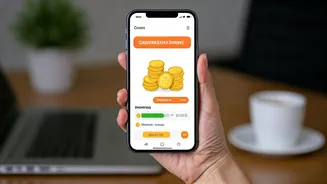
There is no single 'best' app for everyone; the right choice depends on your personality and goals. If you want maximum convenience, look for apps with automatic tracking via the Account Aggregator framework, like INDMoney or Fi Money. If you are more private or prefer a hands-on approach to build discipline, a manual-entry app like Monefy or an envelope-budgeting tool like Goodbudget could be a better fit. For those who want to see their spending alongside their investments, integrated platforms like ET Money offer a holistic view of their net worth. The key is to find a tool that feels intuitive and that you are willing to use consistently.