








The Unseen Cost of Your Takeaway
India's love for food delivery has grown exponentially, but it has created a parallel crisis of plastic waste. Industry estimates suggest that food delivery platforms can generate tens of thousands of metric tons of plastic waste each month from millions
of orders. This mountain of single-use plastic, from containers to cutlery, often ends up in landfills or polluting waterways, taking hundreds of years to break down. Recognizing this, the Indian government has implemented a ban on many single-use plastic items, pushing the restaurant industry to find urgent and viable alternatives. This regulatory push, combined with growing consumer awareness, has set the stage for a packaging revolution.
From Sugarcane Waste to Sturdy Container
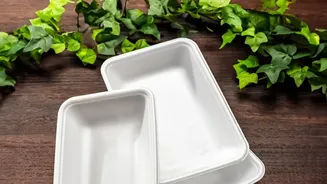
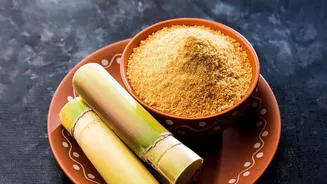
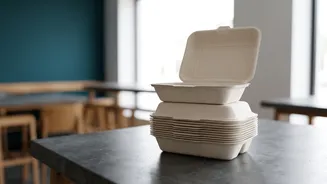
Enter sugarcane bagasse, the fibrous, pulpy residue left over after juice is extracted from sugarcane stalks. Historically, this material was often burned as a low-grade fuel or simply discarded. Today, innovative processes transform this agricultural byproduct into sturdy, reliable food packaging. The bagasse is turned into a pulp, mixed with water, and then high-pressure molded into various shapes like bowls, plates, and clamshell containers. The resulting products are surprisingly durable, lightweight, and perfect for the demands of the food industry. Best of all, they are fully biodegradable and compostable, breaking down into organic matter in as little as 90 days under the right conditions, leaving no toxic residue behind.
A Greener Choice for Business
For restaurants, the shift to sugarcane packaging is more than just an environmental decision; it's a strategic business move. Many prominent brands like Haldiram's and Chai Point have already adopted it. A key benefit is its performance: bagasse containers are heat-resistant, microwave-safe, freezer-safe, and can handle hot, oily, and gravy-heavy Indian dishes without leaking or losing structural integrity. This makes them a practical replacement for plastic. Furthermore, using eco-friendly packaging enhances a restaurant's brand image, attracting a growing segment of environmentally conscious consumers. In a competitive market, being seen as a sustainable business can be a powerful differentiator, justifying the switch.
The Hurdles to Widespread Adoption
Despite the clear advantages, the transition isn't without challenges. The most significant hurdle is cost. On a per-unit basis, sugarcane packaging can initially seem more expensive than its plastic counterpart, sometimes costing 50-80% more at a small scale. However, this price gap narrows dramatically with bulk orders. For restaurants ordering over 10,000 units a month, the premium can shrink to just 10-15% over plastic. When factoring in potential fines for non-compliance with plastic bans and the rising costs of plastic itself, the economic argument for bagasse becomes much stronger. Other considerations include ensuring a consistent supply chain and properly training kitchen staff, as the containers may have different handling requirements than plastic.
Part of a Larger Green Shift
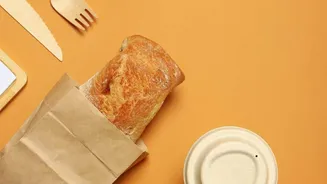
Sugarcane packaging is a leading player in a broader movement towards sustainable alternatives in India. It stands out because of the country's unique advantage as the world's second-largest sugarcane producer, generating over 100 million tonnes of bagasse annually. This abundance of local raw material makes it a more scalable and cost-effective solution compared to other options that failed to gain traction due to supply issues. The rise of bagasse is not happening in isolation; it complements other eco-friendly materials like wooden cutlery and paper-based products that are also replacing banned single-use plastics. This collective shift signals a deeper commitment within the Indian food and beverage industry to embrace a circular economy and reduce its environmental footprint for good.