





More Than Just Curtains
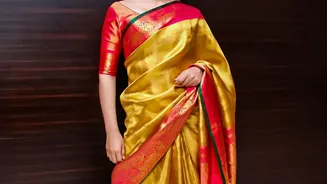
Moving beyond mass-produced home furnishings, using a saree as a curtain is an act of personal storytelling. That six-yard wonder tucked away in a trunk—perhaps a mother’s wedding Banarasi or a grandmother’s favourite cotton—carries memories in its threads.
By giving it a new life as a window drape, you are not just decorating; you are weaving your heritage into the very fabric of your home. This approach is the pinnacle of sustainable chic, reducing waste while creating something deeply personal and beautiful. It's a conscious choice to honour craftsmanship and reject the disposable, infusing your apartment with a narrative that no store-bought item can match.
Choosing the Perfect Saree
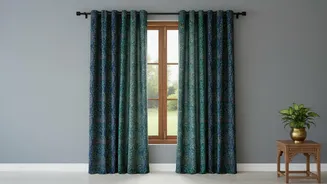
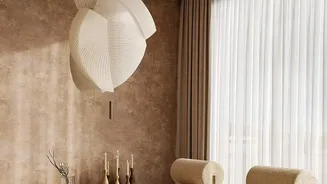
The beauty of this trend lies in its versatility, as different sarees create entirely different moods. The fabric you choose is key. For spaces that need a bright, airy feel, lightweight materials like chiffon, georgette, or fine cottons are perfect. They act as sheer curtains, letting sunlight filter through while still providing privacy. For a more opulent and formal look, rich silk sarees like Kanjeevaram or Banarasi are ideal. Their natural lustre and intricate zari work can turn a simple window into a regal focal point. Don't overlook daily-wear cottons and linens; their textures and block prints can add a rustic, bohemian charm that is both comfortable and stylish.
The DIY Method: Simple and Satisfying
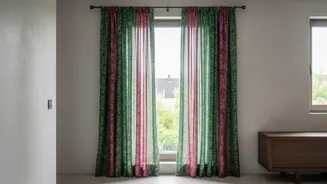
You don't need to be an expert tailor to create your own saree drapes. The simplest method requires no cutting at all. Simply fold the top end of the saree over a curtain rod to create a valance effect, letting the pallu hang gracefully on one side. For a more structured look, you can either sew a simple channel or rod pocket along the top edge or use curtain rings with clips. This clip-on method is the least invasive and allows you to swap out sarees with the seasons. If you have multiple sarees, you can even stitch them together vertically to create a vibrant patchwork effect for a larger window. The key is to measure your window length and ensure your saree provides the coverage you need.
When to Call a Professional
If the thought of DIY is daunting, or if you're working with a particularly precious or delicate heirloom saree, seeking professional help is a wise move. A local tailor can easily and affordably stitch a channel and hem the saree to the perfect length for your windows. They can also add a cotton lining, which is highly recommended. A lining protects the delicate saree fabric from direct sunlight, preventing fading and deterioration over time. It also adds weight, helping the drape fall more elegantly. For more complex projects, a growing number of designers and studios specialize in upcycling textiles, creating bespoke home decor from pre-loved fabrics.
Care and Maintenance
Caring for your saree drapes depends entirely on the fabric. Silks and heavy handlooms should ideally be dry-cleaned to prevent colour bleeding and fibre damage. Most cotton sarees can be gently hand-washed in cold water with a mild detergent. Never wring the fabric out; instead, roll it in a towel to absorb excess moisture before hanging it to dry in a shaded area. To prevent permanent creases, especially in heavy silks, it's a good practice to take them down and refold them differently every few months. With the right care, these drapes will continue to beautify your home for years to come.