




The Green Wave in Workspaces
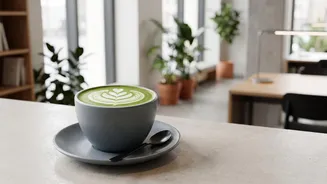
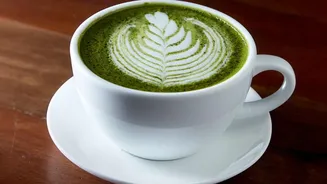
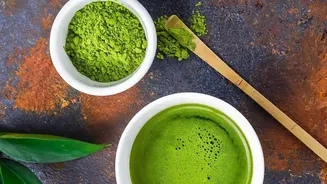
Walk into a co-working cafe in Mumbai, Bengaluru, or Delhi, and you are increasingly likely to see glowing screens illuminated by the soft green of a matcha latte. What was once a niche Japanese ceremonial tea has firmly entered India's mainstream, particularly
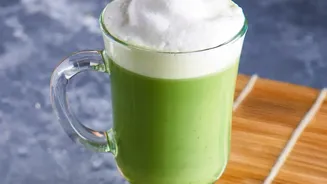
among the young, urban professionals who populate these collaborative workspaces. While the headline's claim of matcha outselling coffee might be bold, the underlying trend is undeniable. Cafe owners and market analysts report a significant spike in demand for matcha-based drinks, prompting many to expand their menus with everything from classic matcha lattes to innovative versions with mango and strawberry. This shift isn't just about trying something new; it reflects a deeper change in work culture and wellness priorities.
Calm Focus Over Jittery Buzz
The primary driver behind matcha's ascent is how it makes people feel, especially compared to coffee. While coffee provides a quick, powerful jolt of caffeine, it often comes with a subsequent crash and feelings of anxiety or restlessness for some. Matcha offers a different kind of energy. It contains an amino acid called L-theanine, which works in synergy with caffeine to promote a state of “calm alertness.” This combination has been shown to improve attention and reaction time more effectively than caffeine alone, making it ideal for the sustained focus required for creative and analytical work. Professionals are choosing matcha for its ability to enhance productivity without the jitters, providing a smoother, longer-lasting energy curve that better suits a long workday.
A Beverage for the New Work Ethic
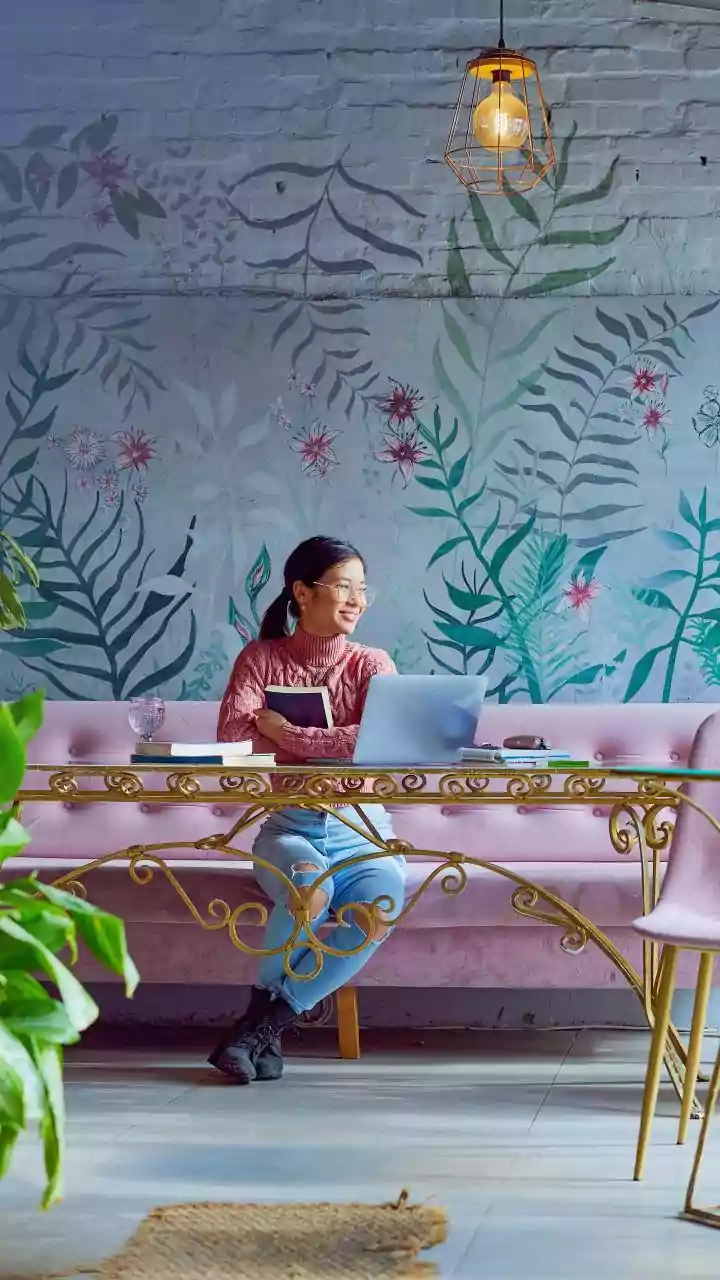
The co-working space itself is more than just a shared office; it’s a curated environment that reflects a modern approach to work-life integration. These spaces are hubs for India’s growing startup ecosystem and gig economy, populated by a demographic that prioritises wellness and mindful living. Choosing matcha over coffee has become a small but significant symbol of this new work ethic. It aligns with a broader interest in functional beverages—drinks that offer health benefits beyond simple hydration. The vibrant green colour is also highly aesthetic and “Instagrammable,” which resonates with a digitally native generation that shares its lifestyle choices online. For many, ordering a matcha is a statement that blends health, culture, and modern identity.
The Business of Brewing Green
For co-working cafes, this trend is a significant business opportunity. The Indian matcha market is growing at a compound annual growth rate (CAGR) of around 8.6% to 9.8%, nearly double the pace of the broader tea market. By expanding their menus, cafes are not only catering to existing demand but also positioning themselves as trend-aware establishments that understand the needs of their clientele. Offering high-quality matcha can become a key differentiator in a competitive market. This has led to an entire ecosystem developing, with brands innovating with ceremonial grades for purists and culinary grades for lattes and desserts. From a business perspective, the shift from a simple coffee order to a premium, experience-driven beverage like matcha represents a move toward higher-margin products and increased customer loyalty.