







Start with a Smart Budget
Before the festive shopping begins, the most crucial step is to create a budget. This isn't about limiting devotion, but celebrating wisely. Experts suggest categorising your expected costs: the idol, decorations, puja essentials, food and prasad, and any
community donations. Setting a spending limit for each category helps prevent impulse buys and keeps finances on track. Many families even start a dedicated 'Ganpati kitty' months in advance, setting aside a small amount each month to build up the festival fund without dipping into regular savings.
Choosing the Idol: The Heart of the Celebration
The Ganpati murti is the centrepiece, and its cost can vary significantly based on size, material, and intricacy. Eco-friendly idols made from natural clay (shadu mati) are growing in popularity. A small eco-friendly idol for home use, typically between 4 to 8 inches, can cost anywhere from ₹500 to ₹1,500. Medium-sized idols, ranging from 9 to 15 inches, are often priced between ₹2,000 and ₹5,000. While Plaster of Paris (PoP) idols might seem cheaper initially, clay idols are better for the environment as they dissolve safely in water. For larger community pandals, a 4 to 5-foot PoP murti can cost around ₹15,000, while ornate clay idols can be significantly more.
Decorations and Festive Ambiance
Decorations set the mood, but they don't have to break the bank. Reusing lights and other decorative items from previous years is a simple way to save money. Consider Do-It-Yourself (DIY) decor using materials like colourful paper, old sarees, or dupattas to create beautiful backdrops. This not only cuts costs but adds a personal touch. Opting for fresh, local flowers like marigolds and natural elements like leaves and fruits is both traditional and economical. For larger pandals, recreating famous temple themes is a popular but costly trend, with some mandaps costing lakhs of rupees.
Food, Prasad, and Community Feasts
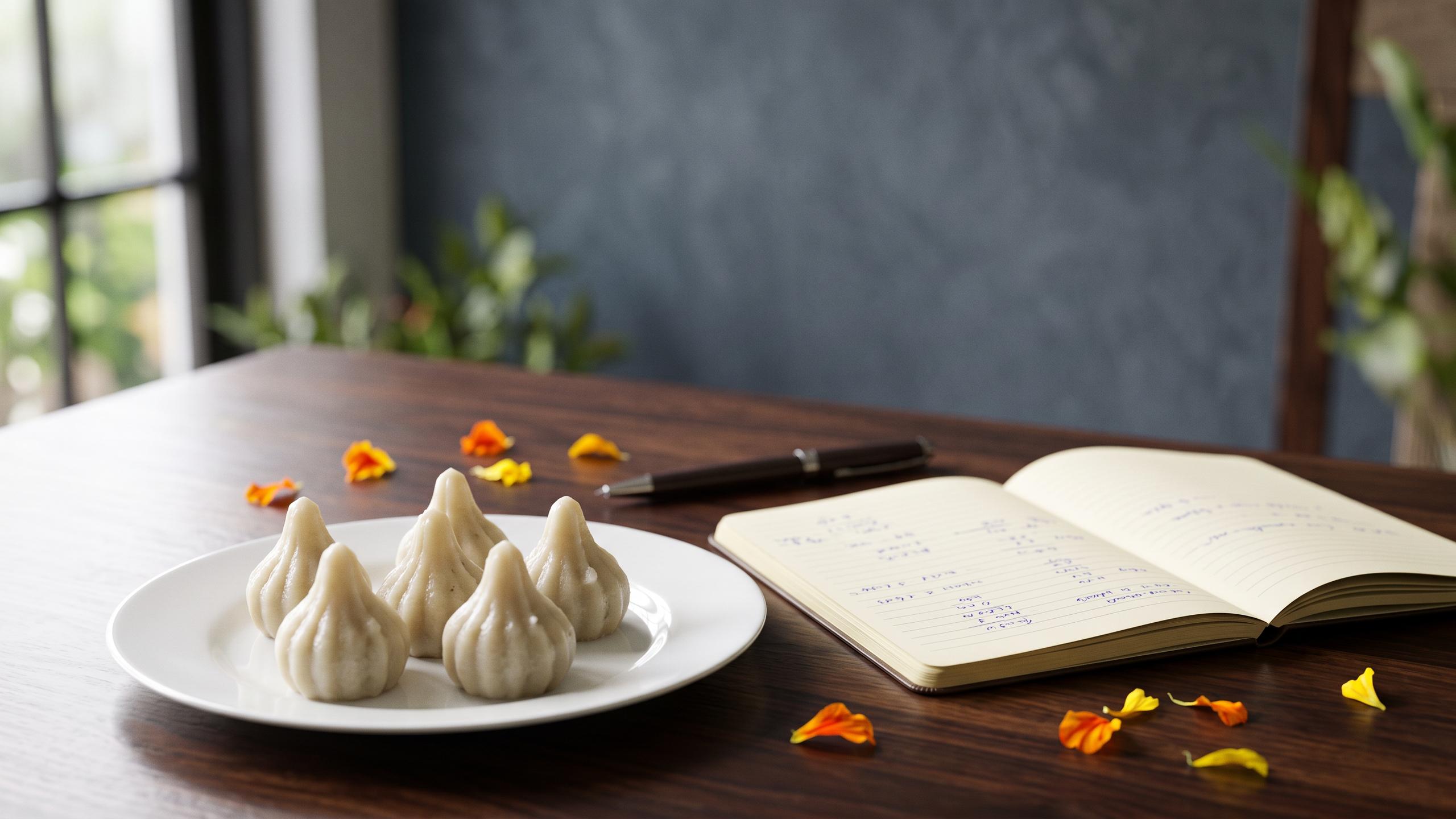
No Indian festival is complete without a feast. For home celebrations, planning a menu in advance and preparing sweets like modaks and laddoos at home is significantly cheaper than buying them. It also becomes a cherished family activity. For community events, the food budget is a major component. Expenses for daily prasad distribution and special feasts can run into thousands of rupees, depending on the scale. Some mandals manage this by encouraging families within the community to prepare and contribute homemade sweets.
The Scale of Community Pandals
Public celebrations, or Sarvajanik Ganeshotsav, operate on a much larger financial scale. The budget for a Ganesh mandal can range from a few lakhs to over a crore. Major expenses include the pandal structure itself, which can cost upwards of ₹60,000, intricate lighting, sound systems, and security. Additional costs include obtaining permissions, hiring bands for processions, and organising cultural programmes like music or dance competitions. These funds are typically raised through donations, sponsorships from local businesses, and contributions from community members.
Embracing Eco-Friendly and Cost-Effective Choices
The shift towards eco-friendly celebrations is both a conscious and economical choice. Clay or 'shadu mati' idols dissolve easily in water, preventing the pollution caused by PoP idols. While some eco-friendly idols might have a slightly higher upfront cost, they can reduce other expenses, such as the need for artificial immersion tanks that some communities arrange. Using natural materials for decoration and homemade sweets also contributes to a more sustainable and budget-friendly festival. This approach ensures the celebration remains joyful without harming the environment.