





A New Strategy for Martian Exploration
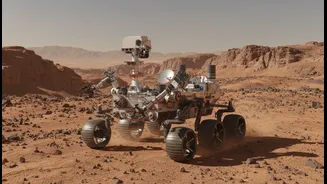
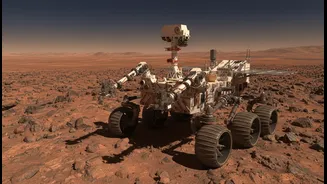
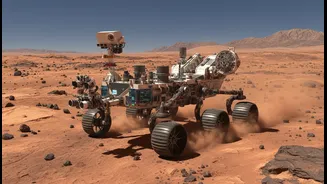
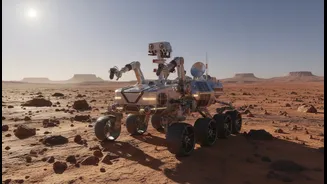
For decades, NASA’s Mars exploration strategy has been defined by large, incredibly capable, but singular rovers like Curiosity and Perseverance. While these car-sized laboratories have revolutionized our understanding of the Red Planet, they represent
a centralized, bespoke approach. Now, NASA is pivoting. Through a new initiative called Science Transport and Robotic Innovation for Deployment and Exploration (STRIDE), the agency has awarded contracts to seven companies to develop a new generation of robotic systems. This marks a significant strategic shift: from building one-off, do-it-all rovers to fostering a commercial ecosystem of specialized robotic technologies. The goal is to create a versatile toolkit of mobility and manipulation systems that can be deployed on future missions, making exploration more flexible, resilient, and capable of reaching scientifically valuable sites that are currently inaccessible.
Beyond the Wheel: Advancing Mobility
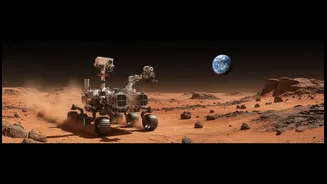
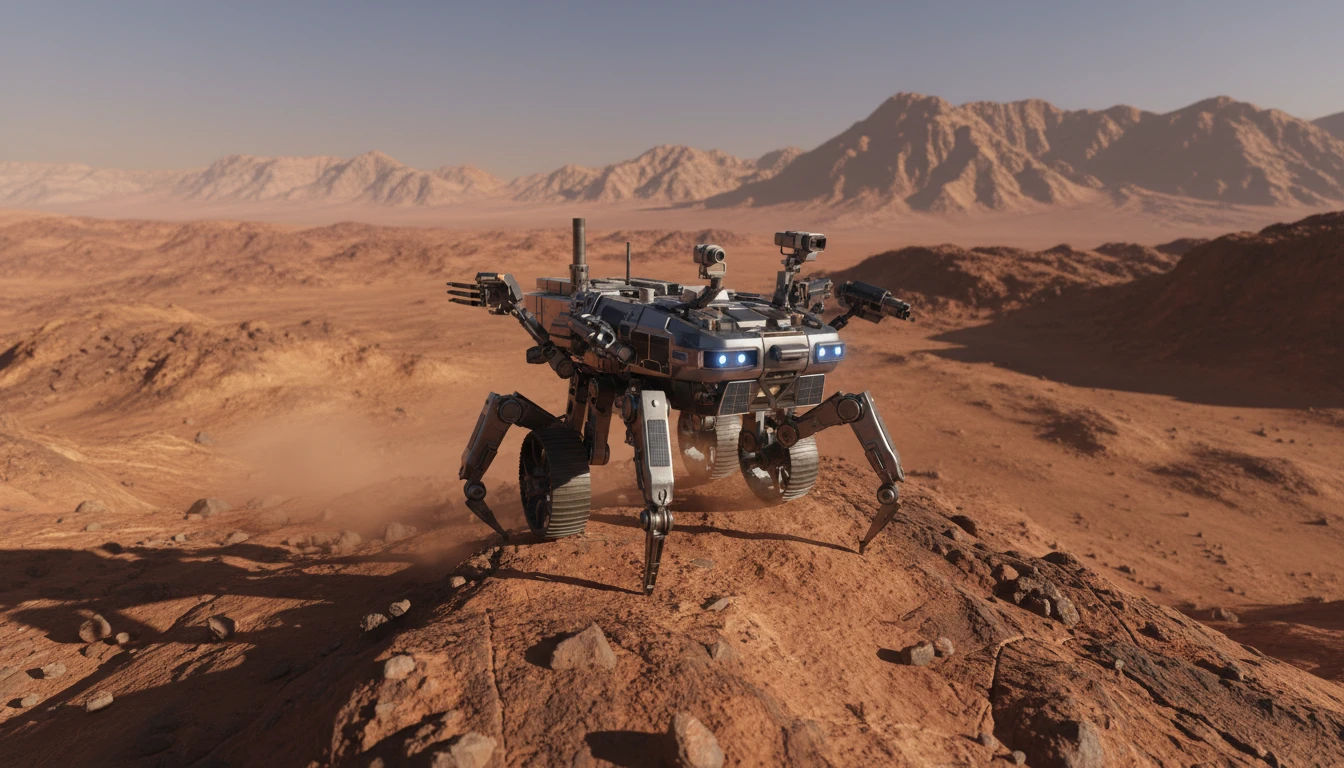
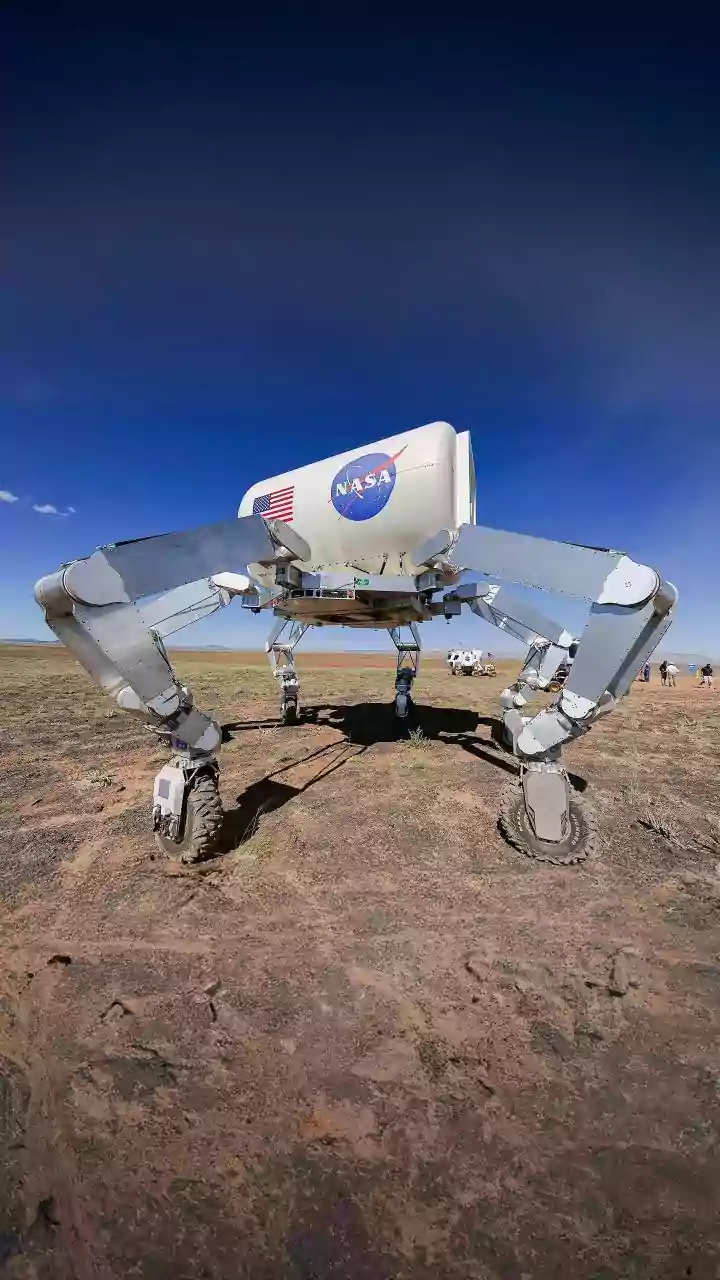
A key focus of the STRIDE initiative is overcoming the limitations of wheeled rovers. Mars is a world of treacherous slopes, deep sand pits, and rugged boulder fields that can trap even the most sophisticated machines. Several of the new contracts aim to solve this. Companies like Astrobotic, Venturi Astrolab, and Ground Control Robotics are developing concepts for rovers that can handle more extreme terrain and travel greater distances. This includes not just more rugged wheeled designs but potentially legged robots that can walk or climb over obstacles. Another awardee, AeroVironment, brings extensive experience in aerial systems, hinting at the future integration of advanced drones that can scout ahead for ground robots or explore areas entirely unreachable by surface vehicles, building on the groundbreaking success of the Ingenuity helicopter.
Smarter, Nimbler Robots
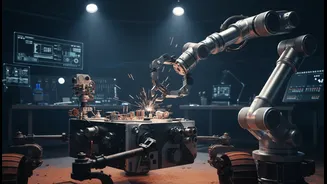
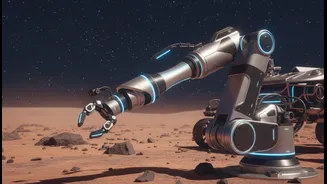
Future missions, particularly those related to the ambitious Mars Sample Return campaign, will require robots that can do more than just drive and observe. They will need to manipulate the environment with unprecedented dexterity—collecting samples, deploying instruments, and even performing assembly or maintenance tasks. Companies with deep expertise in robotics, such as Honeybee Robotics, Intuitive Machines, and MEI Technologies (now part of Aegis Aerospace), are tasked with developing these next-generation systems. This could involve creating smaller, more agile robotic arms, advanced actuators, and sophisticated end-effectors or “hands.” The focus is on creating modular components that can be integrated into various rovers and landers, providing a standardized yet highly capable platform for complex surface operations.
The Commercial Partnership Model
The STRIDE contracts, with a total potential value of around $17 million, represent NASA's growing commitment to public-private partnerships. Rather than developing all technology in-house, the agency is leveraging the innovation and efficiency of the commercial space and robotics sectors. This model allows NASA to tap into a broader range of ideas and technical approaches while helping to build a sustainable industrial base for space exploration. The seven selected companies are a mix of established aerospace players and specialized robotics firms, each bringing unique expertise to the table. Work is expected to begin in the fall of 2026, with the resulting design studies and prototypes informing the capabilities of missions planned for the next decade and beyond.