





The Royal Starting Point: Mysuru
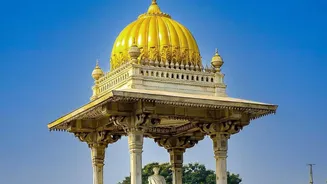
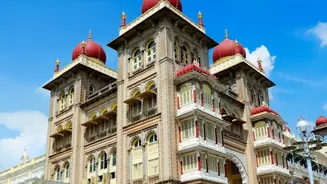
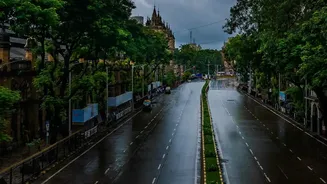
Before you hit the open road, soak in the splendour of Mysuru. While the magnificent Mysuru Palace is the city's crown jewel, its well-organised grid of broad avenues and stately buildings provides a gentle start to your architectural tour. Known as the 'City
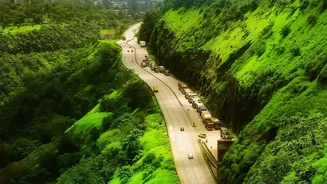
of Palaces', it serves as the perfect launchpad, immersing you in the region's royal past before you venture deeper into its historic heartlands. Fuel up, get your car checked, and begin your journey north toward a timeline of empires.
Hoysala Marvels: Belur and Halebidu
Your first major detour takes you into the heart of the Hoysala kingdom. The Chennakesava Temple in Belur, commissioned in the 12th century, is a breathtaking example of intricate craftsmanship. Its star-shaped platform and detailed sculptures, depicting everything from epic tales to dancers in various poses, are a testament to the artisans' skill. Just a short drive away lies Halebidu, the ancient Hoysala capital. The Hoysaleswara Temple here, though technically unfinished, is another masterpiece. Its walls are covered in an astonishing array of carvings of deities, animals, and mythological scenes, with no two sculptures being the same. Together, these twin temple towns represent the zenith of Hoysala architecture.
A Monolithic Wonder: Shravanabelagola
Between Mysuru and the Hoysala sites lies a detour that is spiritually and visually monumental: Shravanabelagola. Dominating the landscape is the 57-foot-tall monolithic statue of Gommateshwara (Bahubali), perched atop Vindhyagiri Hill. Believed to have been consecrated in 981 AD, it is one of the world's largest free-standing statues and a vital pilgrimage site for Jains. The climb up the hill involves several hundred steps, but the serene presence of the statue and the panoramic views are more than worth the effort. The site also holds historical significance as the place where the Mauryan emperor Chandragupta is said to have spent his final days as an ascetic.
The Imposing Fortress: Chitradurga
As you continue north towards Hampi, the landscape shifts, and the formidable Chitradurga Fort emerges from a cluster of granite hills. Known as 'Kallina Kote' (the stone fortress), this sprawling defensive complex was expanded significantly by the local Nayaka chieftains between the 15th and 18th centuries. Its seven concentric fortification walls, ingenious rainwater harvesting systems, numerous gateways, and hidden passages tell tales of siege and strategy. The fort also houses 18 temples, including the impressive Hidimbeshwara temple. Exploring Chitradurga offers a fascinating break from temple-hopping and provides a glimpse into the military architecture and resilience of the region.
The Final Destination: Hampi's Otherworldly Landscape
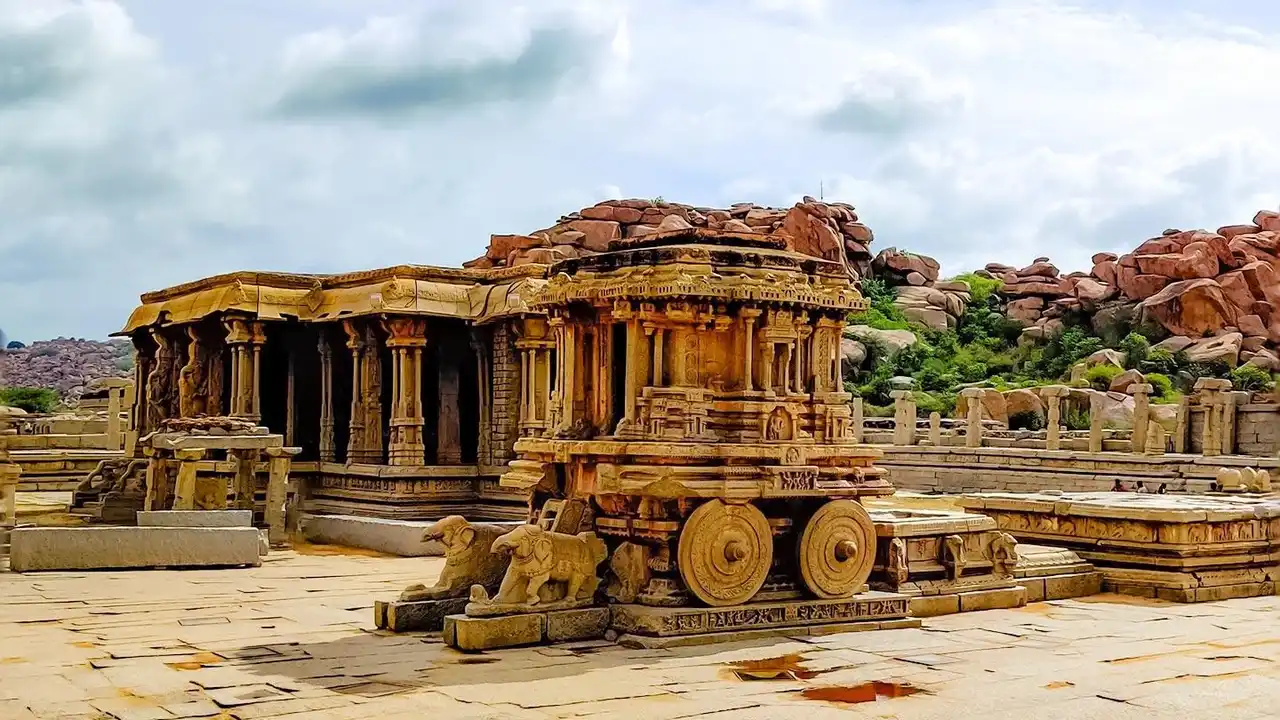
The final leg of your journey brings you to Hampi, the erstwhile capital of the glorious Vijayanagara Empire. The drive itself builds anticipation as the terrain becomes increasingly dotted with giant, otherworldly boulders. Arriving in Hampi is like stepping into a lost world. Spread over a vast area on the banks of the Tungabhadra River, the UNESCO World Heritage Site is a stunning collection of ruins. From the iconic stone chariot at the Vittala Temple to the towering Virupaksha Temple, which still functions as a place of worship, Hampi's architectural grandeur is overwhelming. Spend a few days exploring its palaces, temples, markets, and royal enclosures to truly appreciate the scale of this once-thriving metropolis.