

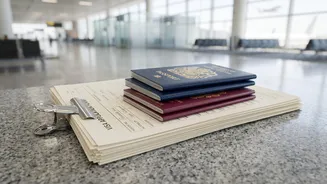


The long, winding queue at immigration is a familiar pain point for international travellers. But what if you could clear that hurdle before you even left for the airport? A new survey shows this is exactly what passengers increasingly want.
A Clear Mandate for Change
The message
from global passengers is loud and clear: the travel process needs to be simpler and more digital. According to the 2026 Global Passenger Survey from the International Air Transport Association (IATA), a growing number of travellers are frustrated with complex entry requirements. The survey, which gathered responses from over 10,000 people across 200 countries, found that 45% of passengers would prefer to complete all immigration procedures before reaching the airport. This is a notable increase from 41% in 2025, signalling a strengthening desire to shift administrative burdens away from the day of travel. Furthermore, a massive 86% of travellers are willing to share their immigration information digitally before departure to speed up the process. This data paints a picture of a modern traveller who is comfortable with technology and expects a more seamless journey.
The Rise of 'Off-Airport' Processing
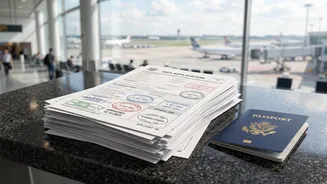
The concept of handling immigration checks away from the destination airport is not entirely new. The United States, for instance, has operated pre-clearance facilities in several countries for years, including in Ireland, the UAE, and Canada. At these locations, travellers undergo U.S. customs and immigration inspections before they even board their flight. Upon landing in the U.S., they arrive as domestic passengers, bypassing the often-congested international arrivals hall. The IATA survey results suggest a desire to expand this model, not just physically but digitally. The goal is to 'push the border out' by allowing passengers to securely submit their information from home, transforming a stressful airport formality into a simple pre-trip checklist item.
The Technology Making It Possible
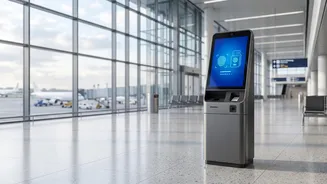
This vision of a frictionless border is being enabled by two key technologies: biometrics and Digital Travel Credentials (DTCs). Biometrics, such as facial recognition, are already becoming more common in airports, with 58% of passengers reporting they've used them in the past year. Satisfaction is high, with 87% of users happy with the experience. A DTC is essentially a secure, digital version of your physical passport that can be stored in a digital wallet on your phone. It's issued by the same government authorities and holds the same power as a traditional passport. The idea is that a traveller could use their DTC to pre-register for a flight, sharing necessary data directly with the airline and border authorities in a secure, verifiable way.
Benefits for Passengers and Authorities
The advantages of this pre_arrival model are significant. For passengers, it means less time spent in queues, reduced stress, and more certainty about their entry status before they travel. For airlines and airports, it promises to reduce congestion in crowded terminals and streamline operations. Orlando International Airport, for example, saw wait times for foreign visitors drop by over 20% after implementing new biometric screening processes that freed up officers. Governments also benefit. Pre_screening allows border authorities to focus resources on higher_risk travellers while facilitating a smoother entry for the vast majority of legitimate passengers. It also enhances security by giving officials more time to assess information before a flight even departs.
The Road Ahead Is Still Complex
Despite the clear demand and emerging technology, a future of fully digital, off_airport immigration won't happen overnight. The biggest hurdles are not technological but political. It requires a high degree of international cooperation to establish a universal framework for issuing and accepting DTCs. As IATA's Senior Vice President Nick Careen notes, while over 100 countries issue eVisas, there is little consistency in how they are checked. Data privacy is another major concern for passengers, with 59% worried about data breaches. Building trust and ensuring robust, transparent security standards will be critical for widespread adoption. Governments will need to agree on common rules for how this sensitive data is handled and protected across borders.