




The Monsoon Contamination Cocktail
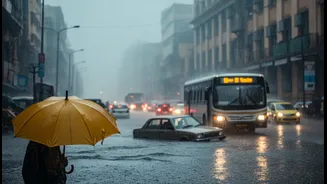
The arrival of the monsoon is a cherished event across India, but it marks the beginning of a perilous period for drinking water safety. Heavy rainfall leads to widespread waterlogging and flooding, creating a perfect storm for contamination. Sewage systems
overflow, mixing raw waste with groundwater and even piped water supplies. Runoff from roads and fields carries a toxic mix of pollutants—pesticides, heavy metals, animal waste, and garbage—into water sources like rivers and lakes, which supply many cities. Aging and damaged underground pipelines, a common issue in many urban areas, are particularly vulnerable. Cracks in these pipes can allow contaminated floodwater to seep directly into the drinking water being transported to your home.
Invisible Threats in Your Glass
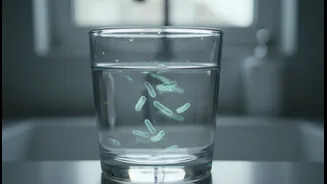
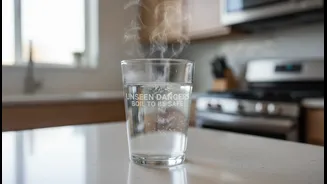
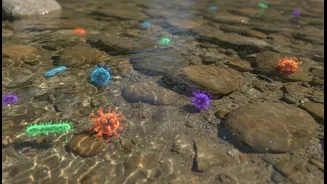
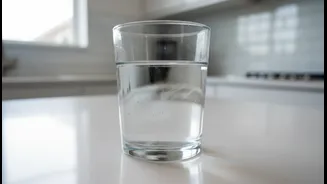
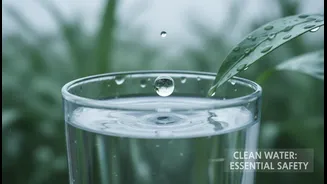
The greatest danger of monsoon water is that the most harmful contaminants are completely invisible. While you might worry about cloudy or muddy water, crystal-clear water can be teeming with microscopic threats. These include bacteria like E. coli, Salmonella (which causes typhoid), and Vibrio cholerae (which causes cholera). Viruses such as Hepatitis A and Rotavirus are also common culprits behind the annual spike in waterborne diseases. Beyond microbes, the water can contain dissolved impurities, collectively measured as Total Dissolved Solids (TDS). High TDS can indicate the presence of harmful salts and even toxic heavy metals like lead and arsenic. These invisible contaminants don't change the water's appearance, taste, or smell, giving a false sense of security.
Why Your Eyes and Nose Are Not Enough
Relying on a visual check to determine water safety is a dangerous gamble, especially during the monsoon. The assumption that clear means clean is a myth that leads to countless illnesses every year. Waterborne pathogens are microscopic and cannot be detected by the naked eye. Similarly, many harmful chemical pollutants are fully dissolved and do not impart any colour or odour to the water. Even overhead storage tanks in buildings can become a source of contamination. If not properly sealed, rainwater carrying dust, bird droppings, and other debris can enter, allowing bacteria and algae to grow inside, further contaminating the water before it even reaches your tap.
Choosing Your Shield: Water Purification Explained
Given the high risk, relying on direct tap water for drinking is ill-advised during this season. While boiling water is a traditional method that kills most microbes, it doesn't remove dissolved impurities or heavy metals. Modern water purifiers offer a more comprehensive solution. The three main types are RO, UV, and UF. RO (Reverse Osmosis) purifiers are best for water with high TDS (over 300-500 ppm), typically from borewells or tankers. They use a fine membrane to remove dissolved salts, heavy metals, and microbes. UV (Ultraviolet) purifiers use UV light to kill bacteria and viruses. They are ideal for water with low TDS, like most municipal supplies, but they don't remove dissolved chemicals. UF (Ultrafiltration) uses a membrane with larger pores than RO to physically block bacteria and larger particles but does not remove dissolved solids. For many Indian homes with mixed or unpredictable water sources, a combination RO+UV+UF purifier offers the most robust protection.
Simple Steps for Safer Water This Season
Beyond installing a purifier, you can take other practical steps. First, ensure your water purifier is serviced just before the monsoon begins, as filters and membranes can get overloaded by the increased contamination. If you rely on overhead tanks, ensure they are thoroughly cleaned and sealed. Store purified water in clean, covered vessels, preferably made of steel or food-grade plastic. Be extra cautious about water used for washing vegetables, brushing teeth, and making ice. If you have any doubts about your water quality, getting it tested by a lab is a worthwhile investment. For those without a purifier, boiling water for at least one full minute is the minimum necessary precaution.