





What is El Niño?
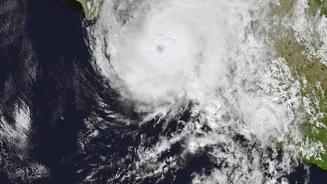
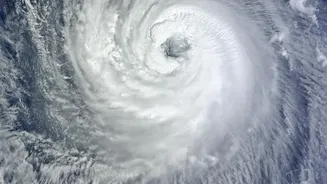
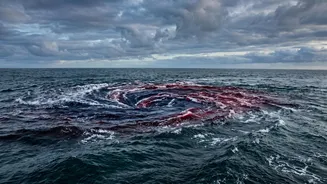
El Niño, which means 'the little boy' in Spanish, is a naturally occurring climate pattern. It's defined by the unusual warming of surface waters in the central and eastern tropical Pacific Ocean. This isn't just a localised event; this vast pool of warm water releases
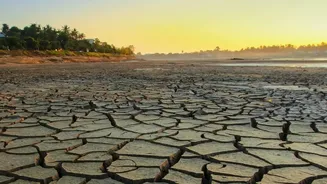
immense heat into the atmosphere, altering air circulation patterns and shifting jet streams across the globe. These changes happen every two to seven years and can last for nine to twelve months, triggering a cascade of weather effects far and wide, from floods in South America to droughts in Southeast Asia and Australia.
An 'Exceptional' Event in the Making
The 2026-2027 El Niño is shaping up to be historically strong. Climate monitoring agencies like the World Meteorological Organization (WMO) and the United States' National Oceanic and Atmospheric Administration (NOAA) have been tracking record-breaking ocean temperatures. The current event is drawing comparisons to the powerful El Niños of 1997-98 and 2015-16, which caused widespread disruption. Forecasters note that the sea surface temperature anomalies are already in 'very strong' territory and could peak in late 2026, making this one of the most intense episodes since records began in 1950. This exceptional strength is why scientists are concerned about its potential to deliver more extreme weather impacts well into 2027.
The Critical Link to India's Monsoon
For India, El Niño's most significant impact is its historical correlation with a weaker southwest monsoon. The monsoon is the lifeblood of the country's agriculture-dependent economy. El Niño can suppress the formation of rain-bearing clouds over the subcontinent, leading to deficient rainfall. The 2026 monsoon has already seen a significant deficit, partly attributed to the developing El Niño. While not every El Niño year results in a drought, a strong event dramatically increases the probability. Scientists at the Indian National Centre for Ocean Information Services (INCOIS) are closely monitoring the situation, noting the El Niño is likely to persist until at least March 2027.
Impact on Agriculture and Water Security
A weakened monsoon has direct and severe consequences for India's farmers. With a large portion of the country's agriculture being rain-fed, lower rainfall can lead to reduced sowing of crucial kharif crops like rice, pulses, and oilseeds. This not only threatens crop yields but also shrinks rural incomes and demand for other goods. Beyond the fields, deficient monsoons impact water security. Lower rainfall means less replenishment for reservoirs, which are vital for drinking water, irrigation during dry seasons, and generating hydroelectric power. This can create a cascading crisis affecting both rural and urban populations.
Wider Economic and Social Ripple Effects
The effects of a poor monsoon ripple through the entire economy. A shortfall in agricultural production can quickly lead to food price inflation, straining household budgets and presenting a major challenge for the Reserve Bank of India. The government may also face increased fiscal pressure from higher spending on subsidies and rural support schemes. Furthermore, El Niño years are often associated with warmer-than-usual winters and hotter summers, increasing health risks from heatwaves and potentially reducing labour productivity in outdoor sectors like construction. These combined pressures underscore the far-reaching impact of this distant Pacific phenomenon on India's economic stability and public well-being.