






Understanding the Rupee's Impact
The exchange rate between the Indian Rupee (INR) and other world currencies is constantly changing. When the Rupee is described as 'weakening' or 'depreciating', it means you need more Rupees to buy one unit of a foreign currency, like the US Dollar or Euro.
This makes travelling to those countries more expensive, as everything from your hotel room to a cup of coffee costs more in Rupee terms. Conversely, a 'strong' Rupee means your money goes further, stretching your travel budget. For instance, a trip budgeted at ₹2,50,000 might suddenly cost ₹2,80,000 or more if the Rupee weakens significantly before or during your travel.
The Dilemma of Carrying Cash
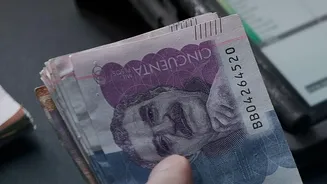
Carrying foreign currency in cash is the most traditional method, and it is useful for small expenses like tips, taxis, or at shops that don't accept cards. However, exchanging a large amount of money beforehand exposes you to the risk of theft and the hassle of carrying bulky notes. While it gives you certainty about the exchange rate you received, rates at airport kiosks or even local money changers can include high commission fees. A common recommendation is to carry only about 10-15% of your total budget in cash for immediate needs upon arrival and for emergencies. For the rest, digital payment methods are often more secure and convenient.
The Hidden Costs of Credit and Debit Cards
Swiping your regular Indian credit or debit card abroad is convenient, but it comes with costs. Most banks charge a 'foreign currency markup fee' on every international transaction, which typically ranges from 2% to 3.5% plus GST. This fee is applied to the converted transaction amount. So, for every ₹10,000 you spend, you could be paying an extra ₹250 to ₹400 in fees alone. Furthermore, if a merchant asks if you want to pay in Rupees through Dynamic Currency Conversion (DCC), it's almost always better to decline. While seeing the price in INR seems helpful, the exchange rates used for DCC are often much less favourable than those offered by your own bank or card network. Always choose to pay in the local currency.
The Smart Alternative: Forex Cards
Prepaid foreign exchange (forex) cards have become a popular choice for savvy travellers. These cards allow you to load a specific amount of foreign currency before your trip at a locked-in exchange rate. This protects you from any subsequent negative movements in the Rupee's value. Forex cards usually come with significantly lower markup fees than credit cards, and many offer features like loading multiple currencies onto a single card. They function like debit cards, meaning you can only spend what you've loaded, which is a great tool for sticking to a budget. While they are widely accepted, it's wise to carry a backup credit card, as some smaller establishments may not accept them.
Your Strategy for Smart Spending
The best approach to managing money abroad is a hybrid one. Plan your expenses in advance and monitor currency trends as your trip approaches. Consider loading a majority of your planned budget onto a forex card to lock in a favourable rate. Carry a small amount of cash for immediate needs. For other expenses, use a credit card, preferably one with a low or zero forex markup fee, which some banks now offer. Before you leave, inform your banks about your travel dates to avoid your cards being blocked for suspicious activity. By combining these methods, you can protect yourself from currency fluctuations and minimise unnecessary fees, ensuring your focus remains on enjoying your international experience.