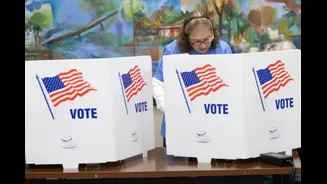


The 2026 US midterm elections are over, and Washington is abuzz with what it all means. For world leaders and global citizens, the key question is how the results will shape American foreign policy, especially with Donald Trump's influence.
A New Landscape in Washington
American foreign
policy is rarely a top issue for voters, who tend to focus on domestic concerns like the cost of living. However, the 2026 midterms proved to be an exception, where issues like an ongoing war with Iran and trade tariffs were seen by many voters as directly impacting their household budgets. The results, which saw Democrats make significant gains, have been widely interpreted as a public referendum on some of the administration's key foreign policy decisions. This creates a new dynamic. While a president holds significant power in foreign affairs, Congress controls federal spending and has oversight powers. A politically divided government can lead to legislative gridlock, prompting a president to focus more on foreign policy, where they can act with greater unilateral authority. This can create unpredictability for allies and adversaries alike.
The Enduring 'America First' Doctrine
At the heart of the debate is Donald Trump's 'America First' philosophy, which prioritizes American national interests over international commitments. This approach has previously led to the US withdrawing from international agreements like the Paris Climate Accord, challenging alliances like NATO, and imposing unilateral tariffs. The midterm results now pose a challenge to this doctrine. Proponents of 'America First' within the Republican party must now contend with a changed Congress that may seek to reassert its role. However, the core ideas of this doctrine, such as demanding allies pay more for their own defense and a tougher stance on trade, have gained traction and enjoy bipartisan consensus in some areas. While there is broad wariness towards China across the political aisle, for example, a new Congress may be less inclined to support the administration's specific tariff strategies.
Spotlight on Global Flashpoints
The new political reality will have tangible effects on several global hotspots. In Ukraine, there is a rare consensus that European nations should bear more of the financial burden for their own defense, a long-held Trump argument. However, a new Congress could also push for stronger sanctions against Russia. Policy towards Iran is another critical area. The war has been unpopular, and a Democratic-controlled Congress is expected to use its oversight powers to investigate the conflict and its appropriations power to limit funding for military operations. In Asia, policy towards China and Taiwan will be under scrutiny. While there's bipartisan agreement on viewing China as a strategic competitor, a new Congress may push for the delivery of stalled arms sales to Taiwan and resist using the island as a bargaining chip in trade negotiations.
Congress Wields the Power of the Purse
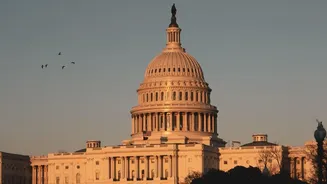
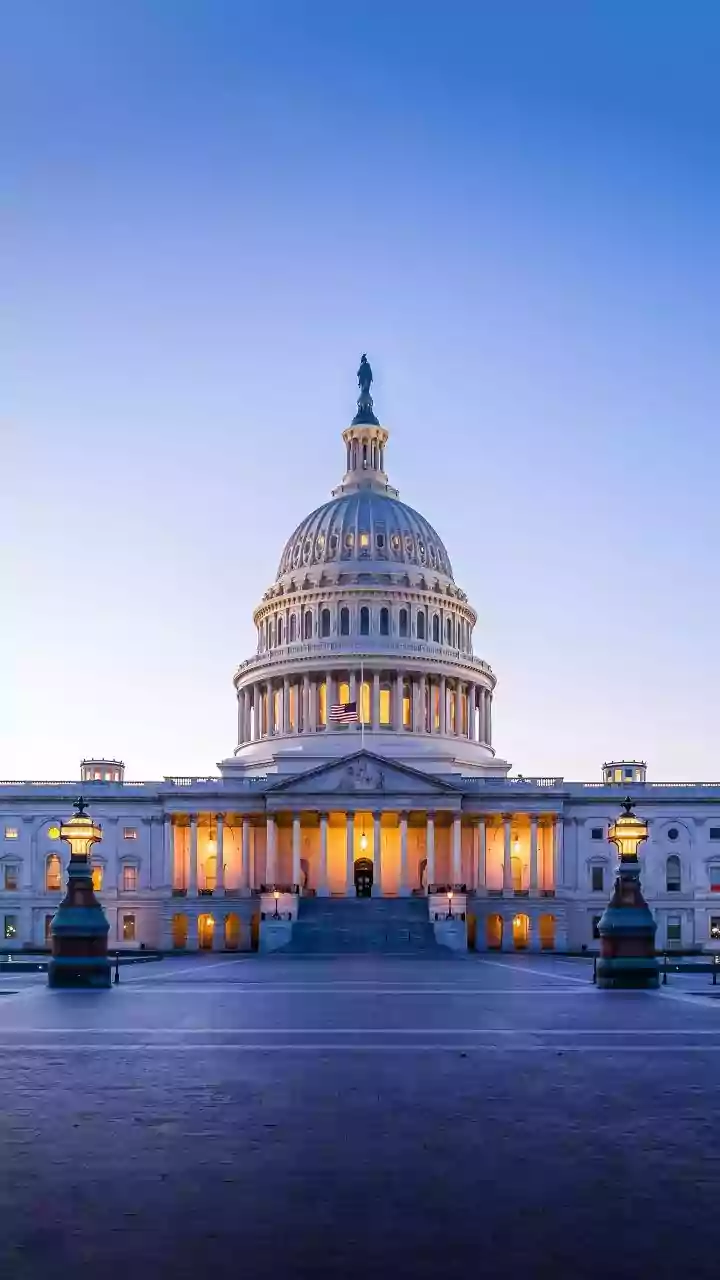
Ultimately, the most significant check on a president's foreign policy is Congress's constitutional 'power of the purse'. By controlling the federal budget, lawmakers can restrict or attach conditions to funding for military operations, foreign aid, and diplomatic initiatives. Following the midterms, a Democratic-led Congress is expected to use this leverage extensively. This could lead to intense budget standoffs and attempts to limit the president's authority on troop levels through must-pass legislation like the National Defense Authorization Act (NDAA). They can also launch investigations and hold hearings to scrutinize the administration's decisions and demand accountability. While the president retains veto power and significant executive authority, this congressional pressure can change the trajectory of foreign policy over time.