






The Power of Activated Charcoal
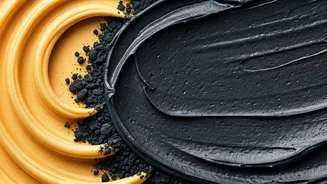
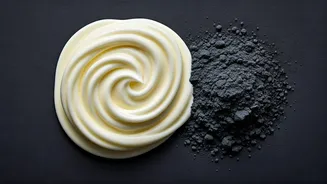
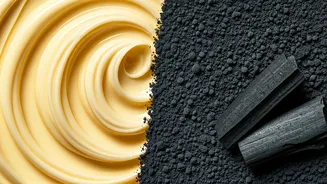
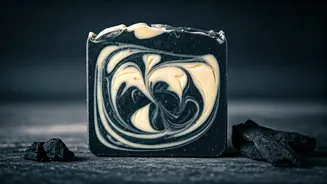
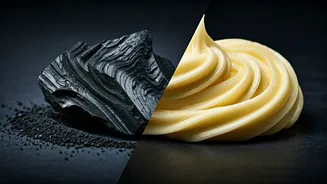
Activated charcoal is a fine black powder made from materials like coconut shells or wood heated to very high temperatures. This process, called activation, creates a highly porous structure with a massive surface area. Think of it like a sponge, but
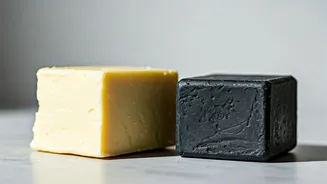
instead of absorbing water, it works through a process called 'adsorption'—where impurities chemically stick to its surface. This unique property allows activated charcoal to act like a magnet for excess oil, dirt, and pollutants on the skin. When used in cleansers or masks, it binds to this surface grime, which is then washed away when you rinse, leaving skin feeling exceptionally clean. While many claims exist, its proven strength lies in this deep-cleansing ability.
Who Should Use Charcoal?
Because of its powerful oil-adsorbing abilities, activated charcoal is most beneficial for those with oily and acne-prone skin. By helping to remove excess sebum and clear out debris that can clog pores, it can reduce the appearance of blackheads and prevent new blemishes from forming. Some studies suggest it has antibacterial properties that may help calm acne-related inflammation. A charcoal mask, used once or twice a week, can help manage shine and detoxify the skin from environmental pollutants. However, because it is so effective at soaking up oil, it can be drying for those with already dry or sensitive skin. While generally safe, it's always wise to patch-test a new product.
The Richness of Shea Butter
Derived from the nuts of the African shea tree, shea butter is a rich, creamy fat that has been used for centuries to protect and nourish the skin. Its power lies in its dense concentration of fatty acids—like oleic, stearic, and linoleic acids—and vitamins, particularly vitamins A and E. These components make it an excellent emollient, meaning it helps soften and smooth the skin while also creating a protective barrier to lock in moisture. Unlike charcoal, which removes substances from the skin, shea butter adds nourishment and helps to restore the skin's natural lipid barrier.
Who Should Use Shea Butter?
Shea butter is a hero ingredient for anyone with dry, dehydrated, or sensitive skin. Its anti-inflammatory properties can help soothe irritation and redness associated with conditions like eczema and psoriasis. The antioxidants, like vitamin E, help protect the skin from damage caused by environmental free radicals, which can contribute to premature aging. Despite its rich texture, high-quality shea butter is typically non-comedogenic, meaning it's unlikely to clog pores for most people. It can be used daily in moisturizers, body butters, and lip balms to keep skin hydrated, supple, and comfortable.
A Simple Analogy: Clearing vs. Conditioning
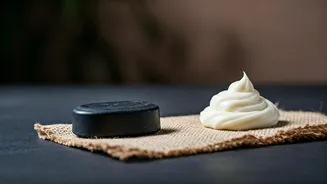
Think of your skincare routine like caring for a leather jacket. Activated charcoal is the specialized cleaner you use to lift a stubborn oil stain—it's highly effective for a specific problem. Shea butter, on the other hand, is the rich conditioner you apply afterward to restore moisture, flexibility, and shine. One purifies, the other replenishes. Both are valuable, but they serve opposite functions. Some products even combine them, aiming to offer a balanced cleanse that removes impurities without completely stripping the skin of its natural oils.