






The Changing Landscape of Fitness
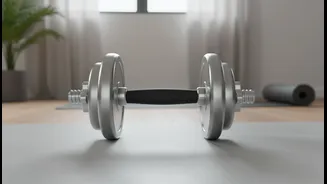
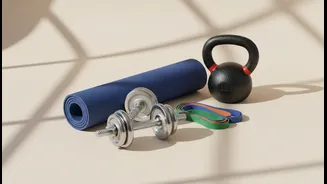
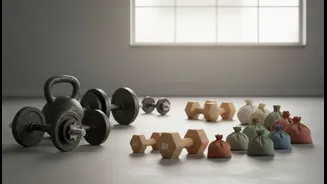
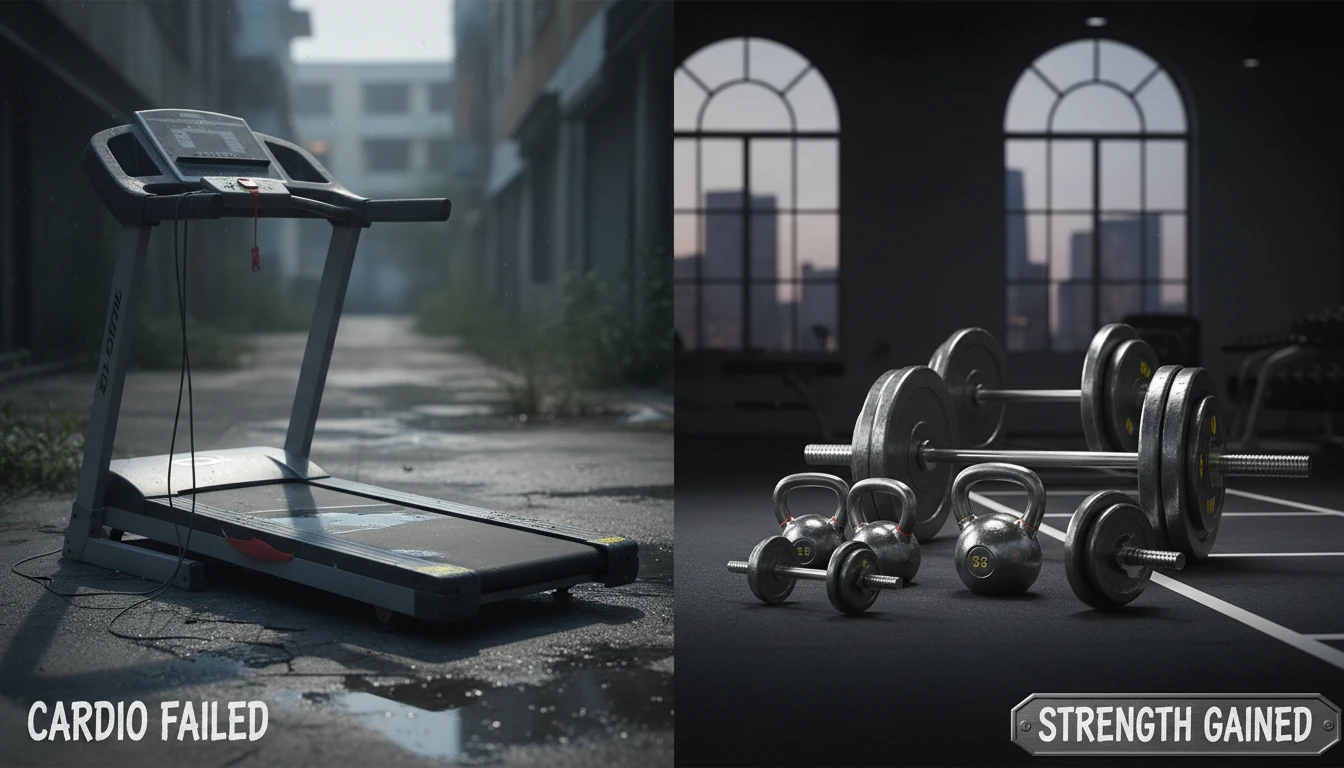
Walk into any modern gym, and you'll notice a significant shift. The rows of treadmills, while still present and popular, no longer command the entire floor. The space dedicated to squat racks, free weights, and kettlebells has expanded, and it's increasingly
occupied by women. While hard data on a 'decline' in treadmill running is complex—it remains a hugely popular form of exercise—the undeniable trend is the explosive growth in women's resistance training. Reports show a massive increase in female participation in sports like powerlifting and CrossFit over the last decade, far outpacing the growth among men. This isn't just a fad; it's a fundamental change in how women are approaching their health and fitness.
From 'Skinny' to 'Strong'
Historically, female-marketed fitness was almost exclusively about getting smaller. Endless cardio sessions were promoted as the primary tool for weight loss. Strength training, if mentioned at all, was often feared for its supposed ability to create 'bulky' muscles—a persistent myth. Today, that narrative has been flipped. The cultural conversation, powered by social media and a new generation of fitness influencers, has moved from an obsession with a number on the scale to a celebration of physical capability. The goal is no longer just to be thin, but to be strong, powerful, and resilient. This shift aligns perfectly with the ethos of resistance training, where progress is measured in tangible feats of strength: lifting a heavier weight, completing an extra rep, or mastering a new movement.
The Mental and Physical Rewards of Lifting
The benefits of strength training for women go far beyond aesthetics. Physically, it's a powerhouse for health. Resistance training is more effective at building lean muscle mass, which in turn boosts resting metabolism. This means your body burns more calories even at rest, a key component for long-term body composition management. It is also crucial for building bone density, helping to combat the risk of osteoporosis as women age. Mentally, the rewards are just as profound. Studies and anecdotal evidence overwhelmingly show that lifting weights can significantly reduce stress and symptoms of anxiety and depression. The act of getting physically stronger has a direct impact on self-esteem and confidence, providing a sense of empowerment that a steady-state jog rarely can.
Social Media's Double-Edged Sword
Social media has played a pivotal role in this movement. Platforms like Instagram have given visibility to female strength athletes and trainers, creating new role models and providing communities of support. Workout ideas and educational content are more accessible than ever. However, it's not without its downsides. The pressure to conform to a specific 'fitspo' ideal can lead to negative body image and comparison. The most positive side of this trend is the focus on what the body can do, not just how it looks. Seeing women celebrate lifting personal bests creates a more empowering narrative than the endless pursuit of a specific, often unrealistic, body type.
Is Cardio Canceled?
This is not to say that treadmill running or cardiovascular exercise is obsolete. Far from it. Cardio is essential for heart health, endurance, and lung capacity. The shift isn't about abandoning cardio but rebalancing priorities. Many women are now using cardio more strategically, perhaps as a warm-up, a high-intensity interval session, or for active recovery, rather than the sole focus of their fitness routine. The modern approach integrates the best of both worlds, using strength as the foundation and cardio as a vital supplement. The hour-long, zoned-out treadmill session is simply no longer seen as the only, or even the most efficient, path to achieving a wide range of fitness goals.