


Understanding the Hidden Dangers
The very ingredients that make floor cleaners effective at cutting through grime can be harmful if ingested or improperly handled. Many common formulations contain chemicals like ammonia, chlorine, phenols, and glycol ethers. These substances can cause
a range of health issues, from respiratory and skin irritation to severe internal burns, and even damage to the liver, kidneys, and nervous system. For babies and pets, the risk is magnified. Their smaller bodies, thinner skin, and tendency to put hands or paws in their mouths makes them highly vulnerable to toxic residues left on floors. Even fumes from these products can linger in the air at floor level, directly in the breathing zone of a crawling infant or a resting pet. Accidental ingestion is a primary concern, with household cleaning products being a leading cause of poisoning among young children.
The 'Secure Cap' Is Your First Defence
While many bottles come with child-resistant caps, they should be seen as a deterrent, not a foolproof barrier. A determined toddler can often find a way to open a poorly tightened cap. It is crucial to twist caps on tightly until they click or can no longer be turned, every single time you use the product. Never leave a bottle open and unattended, even for a moment. A common mistake is decanting cleaners into other bottles or jars for aesthetic reasons. This is incredibly dangerous, as it removes the original warning labels and first-aid instructions. Furthermore, using a food or drink container can lead to tragic mix-ups. Always keep cleaning products in their original, clearly labelled containers.
Immediate Storage Is Non-Negotiable
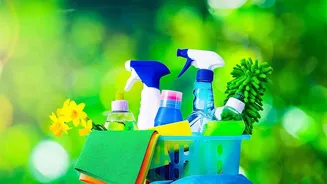
The single most effective safety rule is to store cleaning products immediately after use. The moments after mopping, when the bottle is often left on the floor or a low counter, are when many accidents happen. The best practice is to designate a storage space that is high up and out of sight and reach of children. A locked cabinet is the gold standard for home safety. Avoid storing cleaners under the kitchen or bathroom sink, as these are easily accessible to curious toddlers. Likewise, do not place them near food items to prevent any cross-contamination. The principle is simple: if the product is not in your hand being used, it should be in its secure storage location. This habit removes the opportunity for an accident to occur.
Creating a Safe Cleaning Routine
Integrating safety into your cleaning process makes it second nature. Before you start, ensure the area has good ventilation by opening windows or turning on a fan. Keep children and pets out of the room you are cleaning to prevent them from inhaling fumes or stepping on wet surfaces. Read and follow the product's directions for use, including any dilution instructions. Never mix different cleaning products, as some combinations, like bleach and ammonia, can create toxic gases. Once you have finished cleaning, put the product away immediately before you even put away your mop or bucket. Finally, wait for the floor to dry completely before allowing children and pets back into the area.
In Case of an Accident
If you suspect a child or pet has ingested a cleaning product, act quickly. If possible, identify the product involved and check its label for specific first-aid advice. Call your local poison control center or emergency services immediately for professional guidance. Do not induce vomiting unless specifically instructed to do so by a medical professional, as this can cause further corrosive damage to the throat and esophagus on the way back up. If the product has come into contact with skin or eyes, rinse the affected area thoroughly with water. Having emergency numbers readily available can save critical time in a poisoning situation.