





The Science of a Deadly Mix
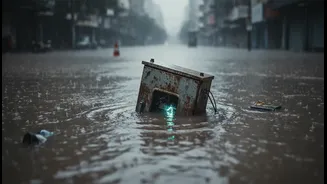
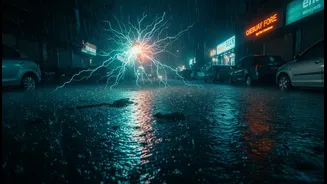
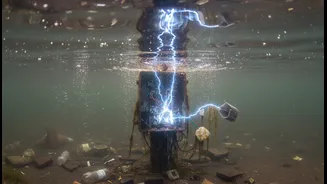
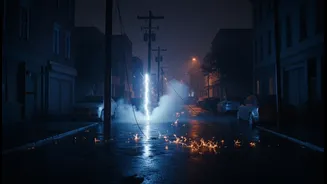
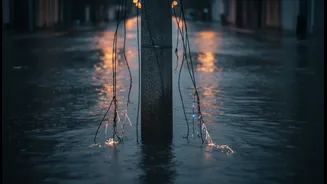
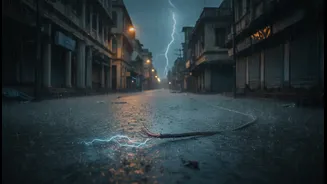
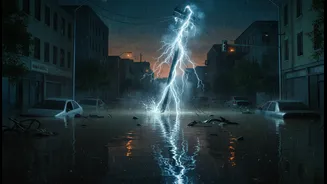
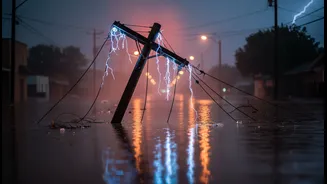
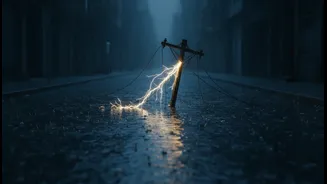
Water and electricity are a lethal combination, and the murky, debris-filled water on Indian streets is a particularly effective conductor. When a downed power line, a damaged underground cable, or even a compromised electrical pole comes into contact
with standing water, the entire pool becomes energised. The current doesn't stay near the source; it can spread out over a wide area. This means you don't have to touch a live wire directly to be electrocuted. Simply stepping into an electrified puddle can be fatal, as the current passes through your body to find the shortest path to the ground. The danger is compounded because the water is often opaque, making it impossible to see the submerged hazard, whether it's a fallen wire or a faulty junction box.
Real-World Risks and Tragedies
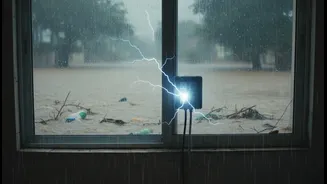
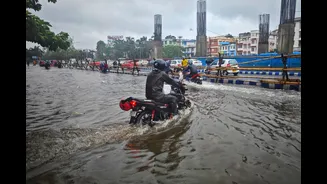
The practical impact of this danger is felt across the country every monsoon. Recent incidents highlight the severity of the issue. In Delhi-NCR, a security guard died after coming into contact with a live electrical source while walking through a flooded road. In another case in Nagpur, a woman was fatally electrocuted in a waterlogged street. These are not isolated accidents but part of a recurring pattern linked to infrastructure that is unprepared for heavy rains. The risks aren't just from public utilities; they exist at home too. Submerged outlets, flooded basements with electrical appliances, and water seeping into wiring can turn a home into a death trap. Even touching a metal gate or railing that is in contact with an energised water body can lead to a fatal shock.
Your Non-Negotiable Safety Guide
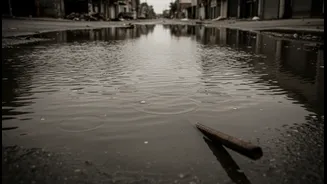
Personal vigilance is the first line of defence. The most important rule is to treat all floodwater as potentially live and avoid walking or driving through it. It only takes a few inches of water to hide a deadly wire. If you see a downed power line, stay at least 30 to 50 feet away and report it to your local electricity board immediately. Never assume someone else has already made the call. At home, if there's a risk of flooding, turn off the main power supply from the circuit breaker, but only if you can do so safely without standing in water. Unplug appliances and move them to higher ground if possible. If an appliance has come into contact with water, do not use it until it has been inspected by a professional. Finally, if you see someone collapse in floodwater, do not rush in to help them with your bare hands. Try to use a dry, non-conductive object like a wooden stick to move them, and call for emergency help.
The Remaining Questions: Who is Responsible?
While individual caution is crucial, these recurring tragedies raise larger questions about civic responsibility. Much of the danger stems from ageing infrastructure, exposed wiring, and illegal connections that are not addressed year after year. Residents often report dangerous poles or exposed cables, but action is frequently delayed or ignored, leading to preventable deaths. There is a clear need for electricity distribution companies and municipal bodies to conduct pre-monsoon safety audits, replacing damaged cables, insulating junction boxes, and ensuring all electrical components near water-logging prone areas are secure. The response after a flood is also critical. Electricity boards face the massive task of safely restoring power, often needing to replace thousands of poles and transformers damaged by the water. Greater accountability and proactive infrastructure maintenance are essential to move from a cycle of seasonal tragedies to a system of genuine public safety.