
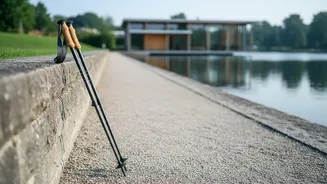
More Than Just a Walk With Poles
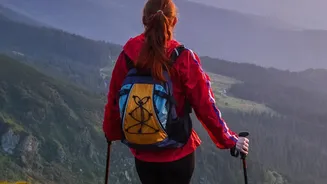
Originating in Finland as a summer training method for cross-country skiers, Nordic walking is much more than it appears. It’s a specific technique that uses specially designed poles to transform a simple walk into a comprehensive, full-body workout.
Unlike regular walking, which primarily uses muscles in the lower half of the body, Nordic walking actively engages the arms, shoulders, chest, and core. By planting the poles and propelling yourself forward, you harness the power of your upper body, turning a stroll into a more dynamic and effective exercise.
The Science of a Superior Workout
The data backs up the benefits. Studies show that Nordic walking can engage up to 90% of the body's muscles, compared to about 50% for regular walking. This increased muscle activation translates into burning significantly more calories — estimates range from an 18% to 67% increase over walking without poles at the same pace. It also boosts cardiovascular health by increasing oxygen consumption and improving heart function, in some cases more effectively than other forms of training for individuals with heart conditions. Beyond calorie burn, it helps improve posture, strengthens the core, and enhances balance and coordination.
A Gentler, Kinder Form of Fitness
Perhaps one of the most significant advantages of Nordic walking is its low-impact nature. The poles help distribute your weight and the force of each stride, reducing stress on your knees, hips, and ankles. This makes it an ideal activity for older adults, individuals recovering from injury, or anyone with joint pain who finds higher-impact exercises like running uncomfortable. The poles also provide extra stability, which can boost confidence for those who feel unsteady on their feet, especially on uneven terrain. Research has also linked it to reduced chronic pain and fatigue for some individuals.
Why the Comeback Now?
The resurgence of Nordic walking seems perfectly timed. After years of focus on gruelling, high-intensity interval training (HIIT), many people are seeking more sustainable and enjoyable forms of movement. The activity is accessible, requires minimal gear, and can be done almost anywhere outdoors. Its popularity is growing across all age groups, from younger generations looking for a mindful, low-impact challenge to older adults wanting to maintain mobility and strength. It’s a social activity, too; the walking pace allows for easy conversation, building a sense of community among participants.
How to Get Started
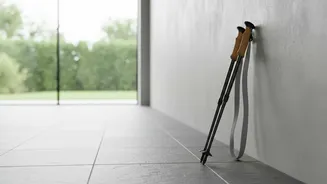
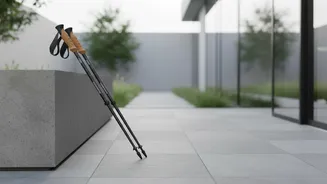
Beginning your Nordic walking journey is simple. The most crucial piece of equipment is a pair of proper Nordic walking poles, which are different from trekking or hiking poles. The technique involves a rhythmic, opposite-arm-and-leg motion: as your right foot steps forward, your left arm swings forward to plant the pole, and vice versa. The key is to press down and back on the pole to propel yourself forward, keeping your arms relatively straight. Maintaining an upright posture with a slight forward lean from the ankles is essential. While many video tutorials exist, taking a lesson from a certified instructor can ensure you nail the technique to maximize benefits and avoid bad habits.