



Build a Two-Layer Defence for Your Backpack
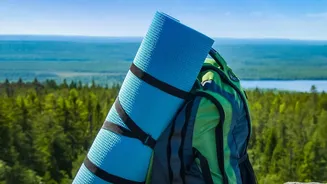
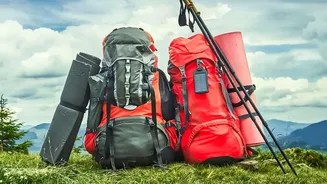
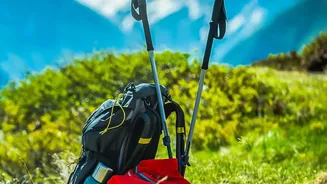
Your gear’s survival depends on a robust waterproofing strategy. Relying solely on your backpack’s outer material is a mistake. First, invest in a snug-fitting external rain cover. Many quality backpacks come with one, but ensure yours is the correct
size to prevent it from being blown away by strong winds. The second, more crucial layer is internal. Use a large, thick plastic bag or a dedicated pack liner to create a waterproof barrier inside your main compartment. For ultimate protection, segregate your essentials like clothes, electronics, and food into individual dry bags or sealed ziplock pouches. This double-barrier method ensures that even if the outer cover fails or water seeps in, your most important items remain completely dry.
Choose Quick-Dry Clothes, Not Cotton
Cotton is your worst enemy on a monsoon trek. It absorbs and holds moisture, takes an incredibly long time to dry, and will leave you feeling cold and uncomfortable. Instead, pack clothes made from synthetic, quick-drying fabrics like polyester or nylon. These materials wick moisture away from your skin and dry rapidly, even in high humidity. Pack at least two pairs of quick-dry trek pants and three T-shirts. Also, carry a dedicated set of dry clothes sealed in a waterproof bag, to be used only at your campsite or homestay for a comfortable night's rest. This small comfort makes a huge difference after a long day of trekking in the rain.
Rethink Your Rainwear: Poncho vs. Jacket
A good waterproof outer layer is non-negotiable. You have two main options: a traditional two-piece rain jacket and pants, or a large poncho. A breathable waterproof jacket offers great protection, but a high-quality poncho has a unique advantage in the Ghats. A large poncho can be thrown over both you and your backpack, providing an encompassing shield against downpours and keeping your entire upper body and pack dry. It also offers better ventilation than a sealed jacket, which can get stuffy in humid conditions. Whichever you choose, make sure it’s easily accessible at the top of your pack for quick deployment when the weather turns.
Footwear: Prioritise Grip and Drainage
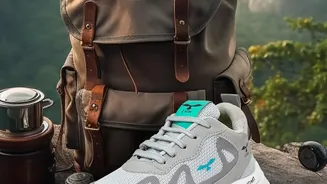
Monsoon trails are notoriously slippery, muddy, and often involve crossing streams. Your choice of footwear can make or break your trek. While waterproof hiking boots sound ideal, they can fill with water during deep crossings and take ages to dry. Many seasoned trekkers in the Western Ghats prefer quick-drying trail shoes with excellent drainage. The most critical feature is the outsole's grip. Look for shoes with deep, aggressive lugs and soft rubber compounds that provide superior traction on wet rocks and mud. Regardless of your choice, always pack at least two extra pairs of synthetic or wool socks to keep your feet as dry as possible and prevent blisters.
The Leech Battle Plan: Prevention and Removal
Leeches are a simple fact of life during monsoon treks in the Western Ghats. While their bites are harmless and they don't transmit diseases, they can be unsettling. Prevention is your first line of defence. Wear long trek pants and tuck them into your socks. You can also invest in a pair of leech socks, which are worn over your pants and create a barrier up to your knees. Applying repellents can also help. If you do find a leech attached, don't panic or try to pull it off forcefully. Gently push a fingernail or a thin, blunt object sideways at its mouthpart to break the suction. The wound will bleed for a while due to the leech's anticoagulant, but it will stop. Clean the area afterwards to prevent infection.
Protecting Your Electronics and Essentials
Water and electronics don't mix. Your best bet is to use dedicated waterproof dry bags or, at a minimum, double-bag your phone, power bank, camera, and any other gadgets in sturdy ziplock bags. It’s also wise to carry a few silica gel packets inside these bags to absorb any ambient moisture. For your first-aid kit, ensure it's in a waterproof case and includes essentials for a wet environment, such as antiseptic wipes, waterproof bandages, blister plasters, and perhaps an anti-fungal powder. Also, carry a government-issued ID in a sealed plastic bag, as it is often required for forest permits.