





The Double-Bag Defence for Electronics
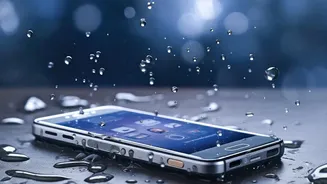
Your first and simplest line of defence is the humble zip-top plastic bag. For critical items like your smartphone, power bank, and charging cables, this is a non-negotiable. Place each electronic item in a small zip-top bag and squeeze out all the air
before sealing. For an extra layer of security, place these smaller bags inside a larger one. This 'double-bagging' method creates a formidable barrier against unexpected downpours. It costs next to nothing and ensures your digital lifelines remain functional, even if your backpack takes a hit. Never assume your jacket pocket is waterproof enough; a dedicated pouch is always a safer bet.
Harness the Power of Silica Gel
Those tiny packets you find in new shoe boxes or with electronics are travel gold. Silica gel is a desiccant, meaning it absorbs moisture from its surroundings. Before your trip, start collecting these packets. Place a few in your camera case, laptop bag, and any pouch where you store electronics. They work silently to combat humidity and condensation, which can be just as damaging as direct water exposure, especially when moving between air-conditioned rooms and humid outdoor environments. If a device gets slightly damp, placing it in a sealed container with several silica packets can help draw out the moisture.
Your Backpack's Secret Raincoat
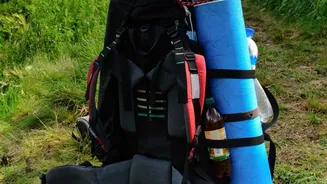
While a good backpack rain cover is ideal, a large, sturdy garbage bag can be a trip-saver. Before packing, use the garbage bag as an inner liner for your main backpack compartment. Pack your clothes, electronics (which should already be in zip-top bags), and other belongings inside this liner. Then, fold the top of the garbage bag over before zipping your backpack shut. This creates a highly effective waterproof barrier from the inside. Even if your backpack's outer fabric gets soaked, this inner liner will keep the contents completely dry. It's a cheap, lightweight, and surprisingly effective hack.
The Classic Newspaper Trick for Soaked Shoes
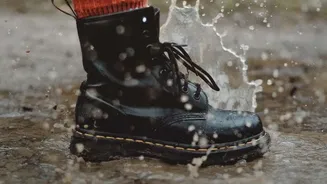
Arriving at your hotel with drenched shoes is a common wet-weather woe. The fastest way to dry them without causing damage is by using newspaper. First, remove the insoles to allow better air circulation. Then, crumple up balls of newspaper and stuff them tightly inside your shoes, making sure to pack them all the way to the toe. The absorbent paper will wick moisture out of the shoe's material. For very wet shoes, you might need to replace the newspaper after a few hours. Let them sit overnight in a well-ventilated area, and you'll wake up to significantly drier, more comfortable footwear. Avoid using direct heat sources like a hairdryer, as this can damage the shoe's material and glue.
A Quick Fix for Muddy Footwear
Dealing with mud is an inevitable part of rainy adventures. The most important rule is to let the mud dry completely before trying to clean it. Attempting to wipe away wet mud will only smear it deeper into the fabric. Once the mud is caked and dry, bang the soles of the shoes together to dislodge the largest chunks. An old toothbrush is the perfect tool for brushing away the remaining dried dirt from the shoe's upper and sole treads. For stubborn stains, a paste made from baking soda and a little water can be gently scrubbed onto the spot with the toothbrush, then wiped away with a damp cloth.