



The Magic of Post-Monsoon Travel
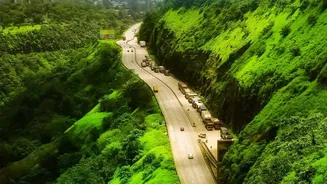
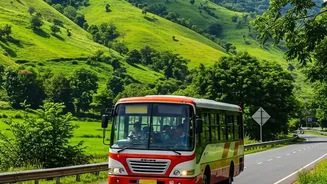
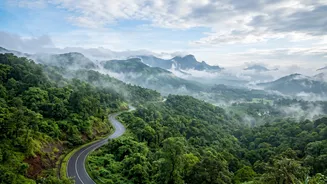
Driving through the Western Ghats between late September and November is a magical experience. The fierce rains have subsided, but the landscape retains its lush, saturated greenery. Waterfalls, still fed by the monsoon's bounty, cascade down cliffs with
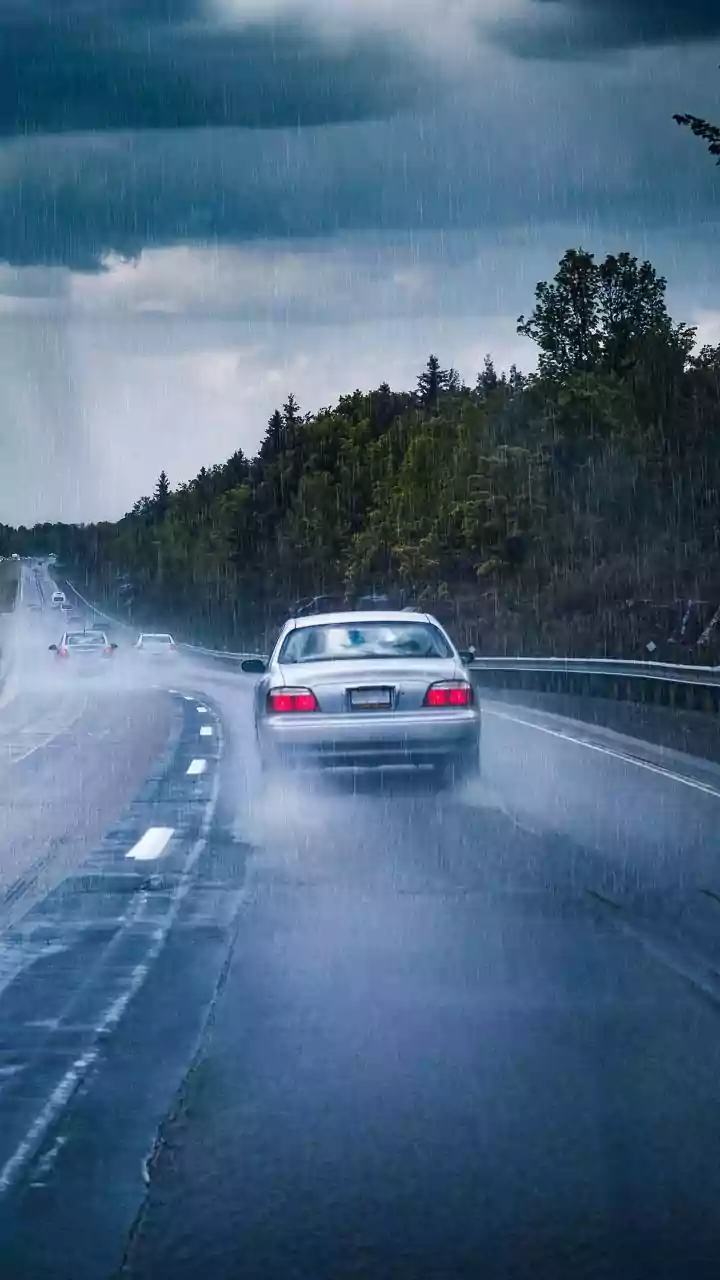
impressive force. The air is crisp, the weather is pleasant, and the sun often plays hide-and-seek with low-hanging clouds. This window offers the perfect balance: the raw beauty of the monsoon season with more stable road conditions and better visibility. However, it's still crucial to be prepared. Roads can be slippery, and some remote stretches may have damage from the heavy rains, so always check your vehicle's tyres, brakes, and wipers before you start.
Route 1: Satara, Maharashtra’s Floral Paradise
Often overshadowed by nearby Mahabaleshwar, Satara comes into its own post-monsoon. The main draw is the Kaas Plateau, a UNESCO World Natural Heritage Site that transforms into a carpet of vibrant wildflowers for a few precious weeks, typically in September and early October. Driving from Mumbai or Pune is a popular option, taking approximately 4-5 hours via the well-maintained NH48. The route itself is scenic, cutting through the Sahyadri range and offering glimpses of quintessential Maharashtrian countryside.
Satara’s Must-Visit Post-Monsoon Sights
Beyond the world-famous Kaas Plateau, Satara offers several attractions that are spectacular after the rains. The Thoseghar Waterfalls are a series of cascades that are at their most powerful and majestic during this period. The viewpoint offers a stunning panorama of the falls, which drop from a height of about 500 metres. Another key sight is the massive Shivsagar Lake, formed by the Koyna Dam backwaters, which is full and serene. Nearby, the historic Ajinkyatara Fort and Sajjangad Fort offer not just a dose of history but also breathtaking panoramic views of the green valleys below, often shrouded in morning mist.
Route 2: Coorg, The Scotland of India
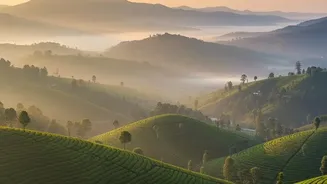
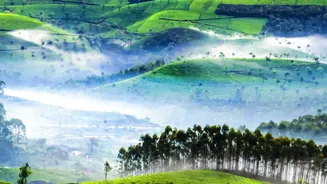
Coorg, or Kodagu, is a perennially popular hill station in Karnataka that becomes exceptionally beautiful after the monsoon. The region, famous for its coffee plantations, turns into a sea of glistening green. The drive from Bangalore, typically taking 5-6 hours, is the most common approach. The route via NH275 through Mysore is well-maintained and scenic, taking you past towns like Kushalnagar, home to the famous Namdroling Monastery, also known as the Golden Temple. The final stretch into the hills involves winding roads that demand cautious driving, especially with post-monsoon mist reducing visibility.
Coorg’s Lush Post-Monsoon Attractions
In Coorg, water is the main attraction. Abbey Falls is one of the most popular spots, where water gushes down a 70-foot drop amidst coffee and spice estates. For a less crowded but equally beautiful experience, consider visiting Iruppu Falls or Chelavara Falls. No trip is complete without a walk through a coffee plantation to smell the fragrant air and learn about the cultivation process. For panoramic views, head to Raja's Seat in Madikeri, a garden that offers stunning sunset views over mist-filled valleys. Adventure seekers can also find post-monsoon rapids for white-water rafting on the Barapole River.
Essential Driving Tips for the Ghats
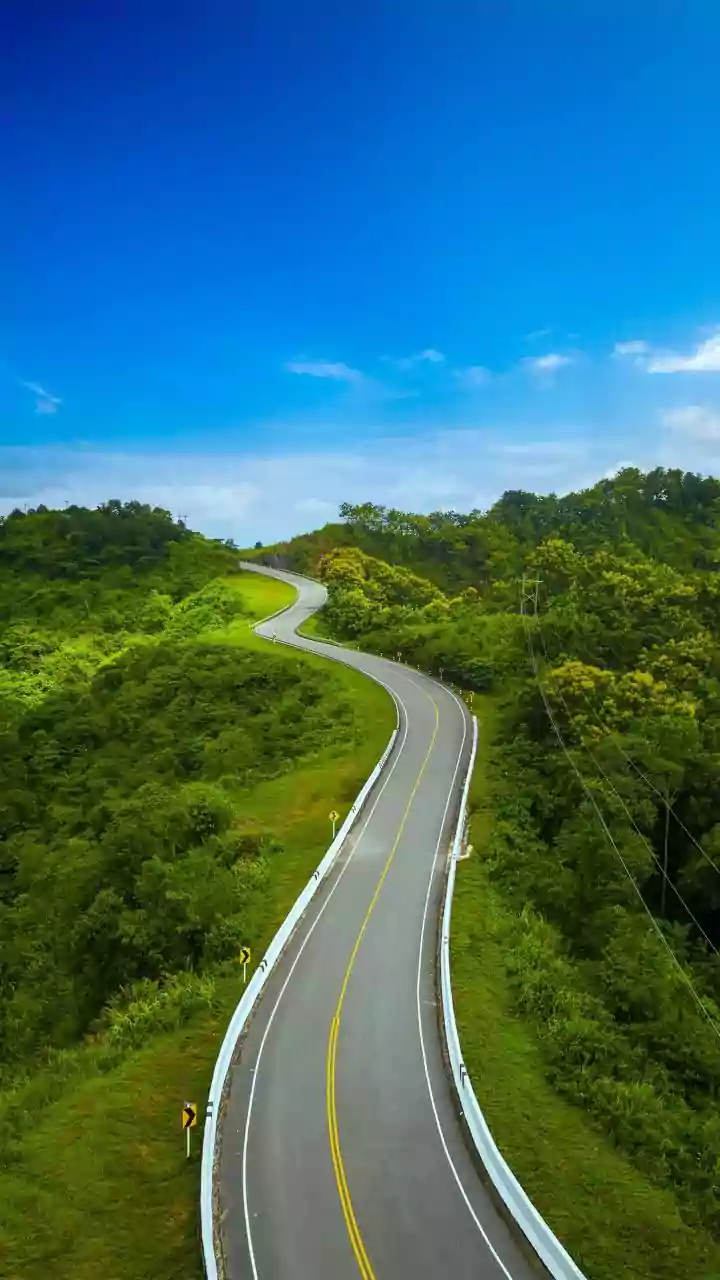
Regardless of your destination, driving in the Ghats post-monsoon requires care. Always check the latest weather forecasts and road conditions before you leave, as some sections can be prone to landslides. Start your journey early to maximize daylight hours and avoid the weekend rush. Drive slowly and cautiously, as roads can be slippery and sharp turns can conceal oncoming traffic. Ensure your vehicle's essentials—tyres, brakes, wipers, and headlights—are in top condition. Finally, embrace the journey. The most memorable moments often come from unplanned stops to admire a waterfall or a stunning valley view along the way.