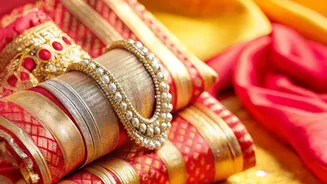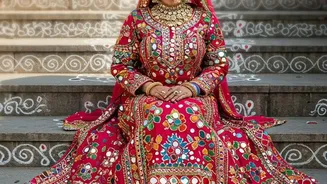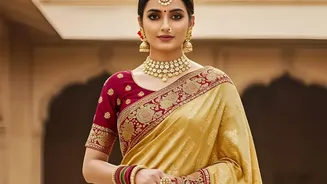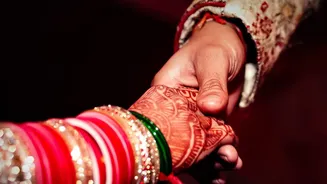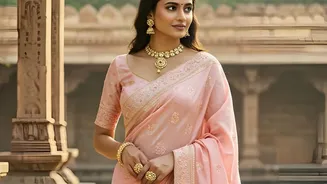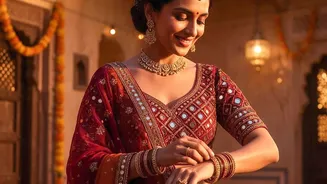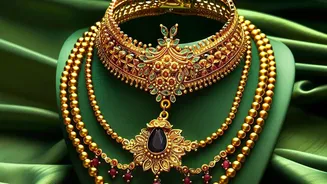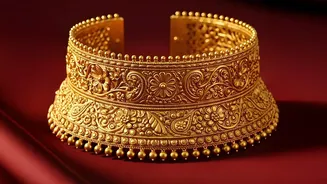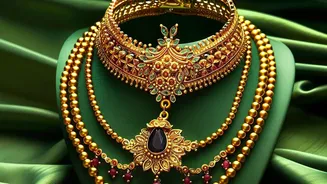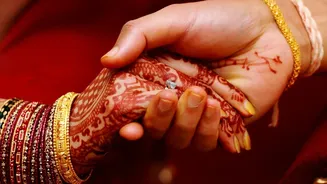






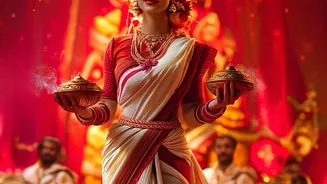


Despite gold prices reaching new highs, the demand for wedding jewellery in India remains resilient. This apparent paradox is rooted in a complex blend of tradition, financial prudence, and social significance that market forces alone cannot disrupt.
An Unshakeable Cultural Mandate
In India, gold is not merely a commodity; it's a sacred and auspicious metal deeply woven into the cultural fabric. For centuries, it has symbolised purity, prosperity, and the blessings of Goddess Lakshmi, the deity of wealth. Gold is an indispensable part of major life events, from birth ceremonies to festivals, but its role in weddings is paramount. A wedding is considered incomplete without the radiance of gold, which is believed to bring good fortune and divine blessings to the newlyweds. This belief is so ingrained that for many families, purchasing gold is not a discretionary expense but a non-negotiable ritual, a fundamental part of honouring their heritage and ensuring the marriage begins on an auspicious note. This cultural weight means that even when prices are high, the question is not 'if' they will buy gold, but 'how'.
A Woman’s Financial Security
Historically and legally, the gold a bride receives is considered 'Streedhan'—her absolute wealth. This tradition originated in an era when property laws were unfavourable to women, and gold served as their share of the family's assets. It provides the bride with a crucial financial safety net that is hers alone, legally protected even in the event of a separation. This makes wedding gold far more than just adornment; it is a tool of empowerment and security. It acts as a portable, liquid asset that she can control, offering a buffer against unforeseen financial emergencies. For parents, gifting gold is a way of ensuring their daughter's financial stability as she begins a new life, a responsibility that transcends market volatility.
A Tangible Asset in Volatile Times
Beyond its cultural and emotional value, gold is trusted as a reliable long-term investment by millions of Indian households. It is viewed as a safe-haven asset that preserves wealth across generations and acts as a hedge against inflation and currency fluctuations. Historically, gold has provided consistent returns, often outpacing other common investment instruments like fixed deposits. Unlike stocks or digital assets, physical gold offers a sense of tangible control and trust. Indian households are estimated to hold one of the largest private gold reserves in the world. This deep-seated belief in gold as 'financial infrastructure' means families see wedding purchases not just as an expense, but as a strategic allocation of savings into a resilient asset class.
Social Status and Family Prestige
Weddings in India are significant social events where family status and prestige are often on display, and gold plays a key role in this dynamic. The amount and intricacy of the gold gifted to the bride are seen as a reflection of the family's wealth, love, and blessings for the couple. This creates a powerful social incentive to uphold the tradition of gold gifting, regardless of price. While this can create pressure, it also reinforces the act of buying gold as an honourable and wise decision that solidifies ties between families and within the community. The jewellery becomes a family heirloom, passed down through generations, accumulating not just monetary but also immense sentimental value.
How Families and Jewellers Adapt
While the tradition of buying gold is unwavering, families are not immune to price pressures. Instead of forgoing purchases, they adapt. Many are opting for lighter-weight jewellery that offers a grand look with less grammage. Exchanging old jewellery for new designs is another popular strategy, helping to offset a significant portion of the cost. Jewellers have also responded to this trend by introducing lightweight collections, lower-carat options, and flexible purchase schemes that allow families to buy gold in stages. These practical adjustments enable families to fulfil their cultural obligations and maintain their budgets without abandoning the core tradition.