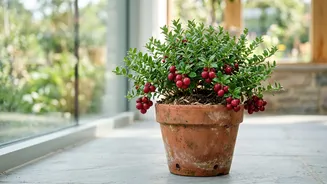

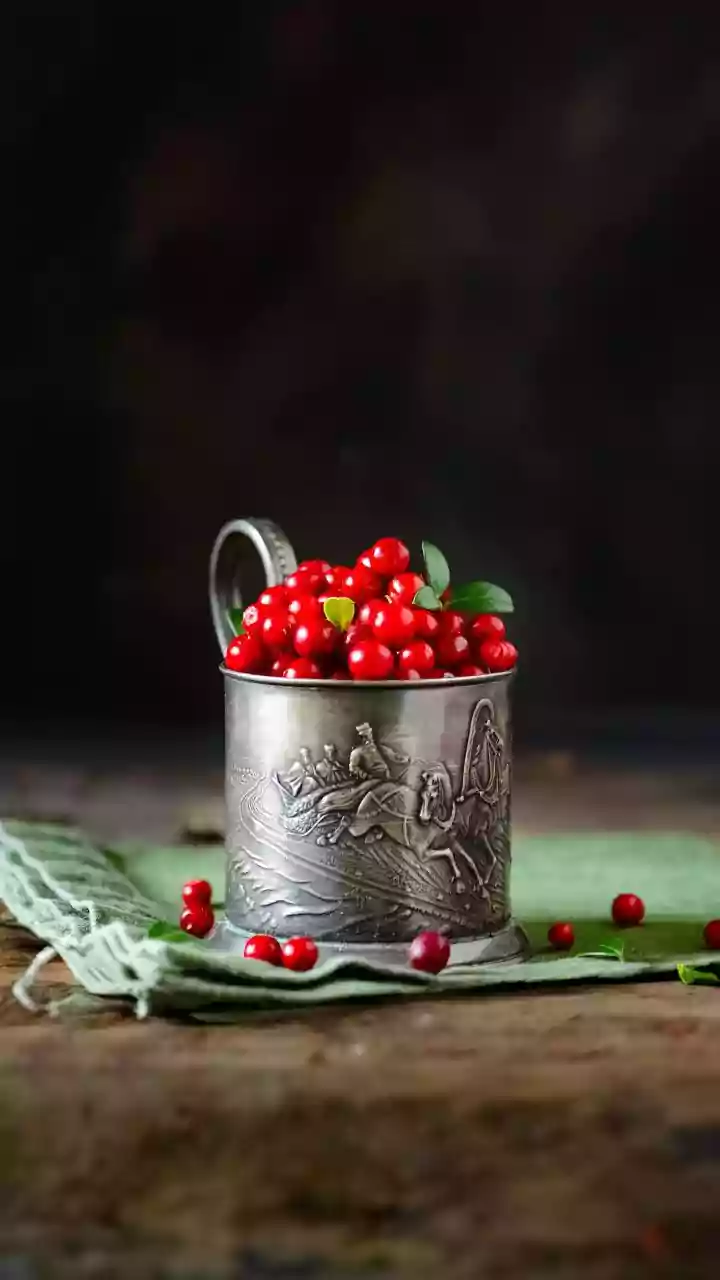
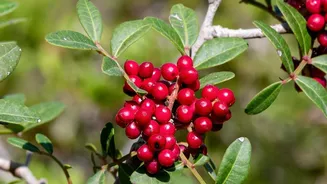
The dream of harvesting tart, ruby-red cranberries from your own home is an appealing one for any gardener. But unlike a common houseplant, you can't simply place a cranberry cutting in a terracotta pot and expect it to thrive.
Why a Normal Pot Is Not Enough
Cranberry plants (Vaccinium
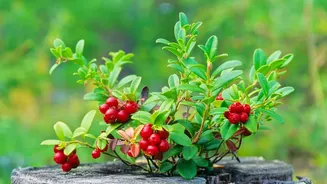
macrocarpon) are not built like typical potted herbs or flowers. In the wild, they are low-growing, spreading evergreens native to acidic bogs. Their root system is naturally shallow, fine, and spreading, mostly residing in the top six inches of soil. These roots, known as rhizomes, stretch out horizontally. A standard deep, narrow pot doesn't provide the wide surface area these runners need to spread and establish a healthy plant. Furthermore, cranberries demand conditions that mimic a bog: consistently moist, highly acidic soil with good aeration. An ordinary plant pot with standard potting soil creates an environment that is fundamentally wrong for a cranberry plant's survival, leading to root rot or failure to thrive.
Choose a Container Built for Spreading
Because cranberry roots are shallow and wide, the container's depth is less important than its diameter. Look for a pot that is at least 12 to 15 inches wide to give the plant's runners room to grow. Long trough-style planters, window boxes, or even large hanging baskets are excellent choices because they accommodate the plant's cascading and spreading nature. Plastic or other non-porous containers are often recommended as they help retain the consistent moisture cranberries need. Whatever you choose, ensure it has excellent drainage holes to prevent the soil from becoming completely waterlogged, a condition that deprives the roots of essential oxygen.
Create Your Own 'Bog in a Box'
The secret to happy indoor cranberries lies in the soil. They require a highly acidic growing medium with a pH between 4.0 and 5.5. Standard potting or garden soil is too alkaline and will not work. You must create your own special mix. The most recommended recipe is a blend of peat moss and sand. A common ratio is two or three parts sphagnum peat moss to one part coarse horticultural sand. This mixture provides the necessary acidity, retains moisture, and ensures the good drainage and aeration the fine roots require. You can also use pre-made potting mixes formulated for acid-loving plants like azaleas or blueberries as a base.
Mastering Moisture and Light
While commercial growers famously flood their bogs for harvesting, this is not a growing requirement and should not be replicated at home. The goal is soil that is consistently moist but never soggy. Self-watering containers, which have a reservoir that wicks water up into the soil, can be extremely effective for maintaining this delicate balance. When you do water, use rainwater or distilled water if possible, as tap water can contain minerals that may raise the soil's pH over time. Check the soil moisture daily, especially as the plant gets established. Finally, place your cranberry pot in a location where it will receive at least six hours of full sun per day; a south_facing window is ideal. If you lack sufficient natural light, a grow light will be necessary for the plant to flower and produce fruit.