






The Mechanical Problem with Fast Eating
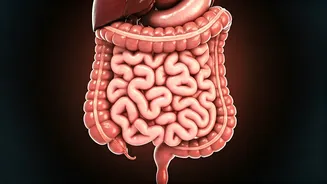
Digestion is a process that starts in the mouth, not the stomach. When you eat quickly, you tend to take larger bites and chew less. [1] This sends large chunks of food to your stomach, forcing it to work overtime to break them down. [6, 10] Insufficient
chewing means food isn't properly mixed with saliva, which contains crucial digestive enzymes that start breaking down fats and carbohydrates. [9, 8] This can lead to indigestion, discomfort, and a feeling of excessive fullness. [6] Furthermore, rapid eating often causes you to swallow more air, which is a direct cause of uncomfortable bloating and gas. [1, 6]
The Brain-Gut Communication Gap
There's a significant delay—about 20 minutes—between when your stomach is physically full and when your brain receives the signal to stop eating. [2, 3, 9] This communication relies on hormones like cholecystokinin (CCK) and leptin, which are released as your body digests food. [15, 17] When you eat too fast, you can easily consume more food than your body needs before these satiety signals have a chance to register. [1, 3] By the time a fast eater gets the message that they're full, they may have already overeaten to the point of discomfort. [1] Slowing down bridges this communication gap, allowing you to recognize fullness cues more accurately and prevent overeating. [5, 2]
Maximising Nutrient Absorption
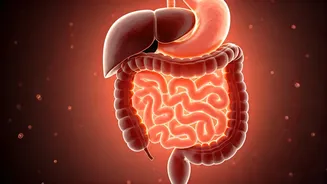
Proper digestion isn't just about avoiding discomfort; it's about getting the maximum nutritional value from your food. When food isn't broken down thoroughly through chewing, your body's ability to absorb essential vitamins and minerals is compromised. [5, 6, 16] Thoroughly chewed food has a greater surface area, making it easier for digestive enzymes throughout your gastrointestinal tract to access and process it. [8, 17] This means more efficient extraction of nutrients that your body uses for energy, resilience, and overall health. [16] In short, you aren't just what you eat; you are what you can absorb. [16]
Actionable Tips to Slow Your Pace
Adopting a slower pace can feel unnatural at first, but a few simple strategies can help build this healthy habit. First, set aside dedicated time for meals—ideally 20 to 30 minutes—without distractions like your phone or the TV. [1, 2] This practice, often called mindful eating, helps you focus on the food and your body's cues. [1] Try putting your fork down between bites, or even switching to your non-dominant hand to make fast eating more difficult. [4, 11] Chewing each mouthful 15 to 30 times, depending on the food, ensures it's properly broken down before you swallow. [1] Finally, sipping water during your meal can encourage natural pauses and also aid in digestion and feelings of fullness. [1, 11]
Beyond Better Digestion
The benefits of eating slowly extend beyond just your digestive system. Studies have linked faster eating to a higher risk of obesity and metabolic syndrome. [12, 5] By allowing satiety hormones to work, slower eating acts as a natural form of portion control, which can aid in weight management. [7, 9] It also transforms the meal from a simple refuelling stop into a more enjoyable and less stressful experience. [5, 13] Taking the time to savour the flavours and textures of your food can increase your satisfaction and foster a healthier relationship with eating in the long run. [13, 5]