



The Great Indian Sweet Dilemma
For generations, Indian desserts have been synonymous with abundance. A celebratory meal wasn't complete without generous helpings of gulab jamun, decadent halwa, or rich, creamy kheer. These sweets are deeply woven into the fabric of Indian culture,
signifying joy, prosperity, and togetherness. However, modern lifestyles and a growing awareness of health are changing this narrative. Urban diners are increasingly conscious of their sugar intake and overall wellness. The traditional, often super-sized dessert, while delicious, can feel like an over-indulgence after a multi-course meal. This has created a dilemma for both diners and restaurants: how to honour the tradition of ending a meal with something sweet without the post-dessert guilt and sluggishness.
Less Is More: The Rise of Miniatures
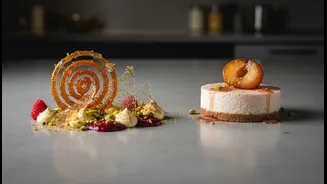
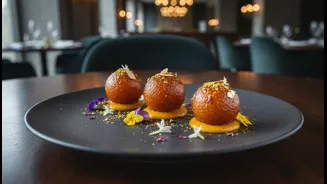
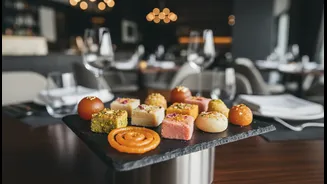
Enter the concept of portion-smart sweets. Restaurants and cafés across India are finding that smaller, more controlled portions are a winning formula. This isn't about deprivation, but about refinement. Instead of a single large dessert, menus now feature dessert platters with an assortment of bite-sized treats. Think of a single, perfect mini gulab jamun served in a cheesecake jar, a delicate shrikhand shooter, or a tiny tart filled with gajar ka halwa. This approach satisfies the craving for something sweet while allowing diners to sample multiple flavours without committing to a large portion. It also caters to the 'tasting menu' mentality, where variety and experience are valued over sheer volume.
Health Consciousness as a Driving Force
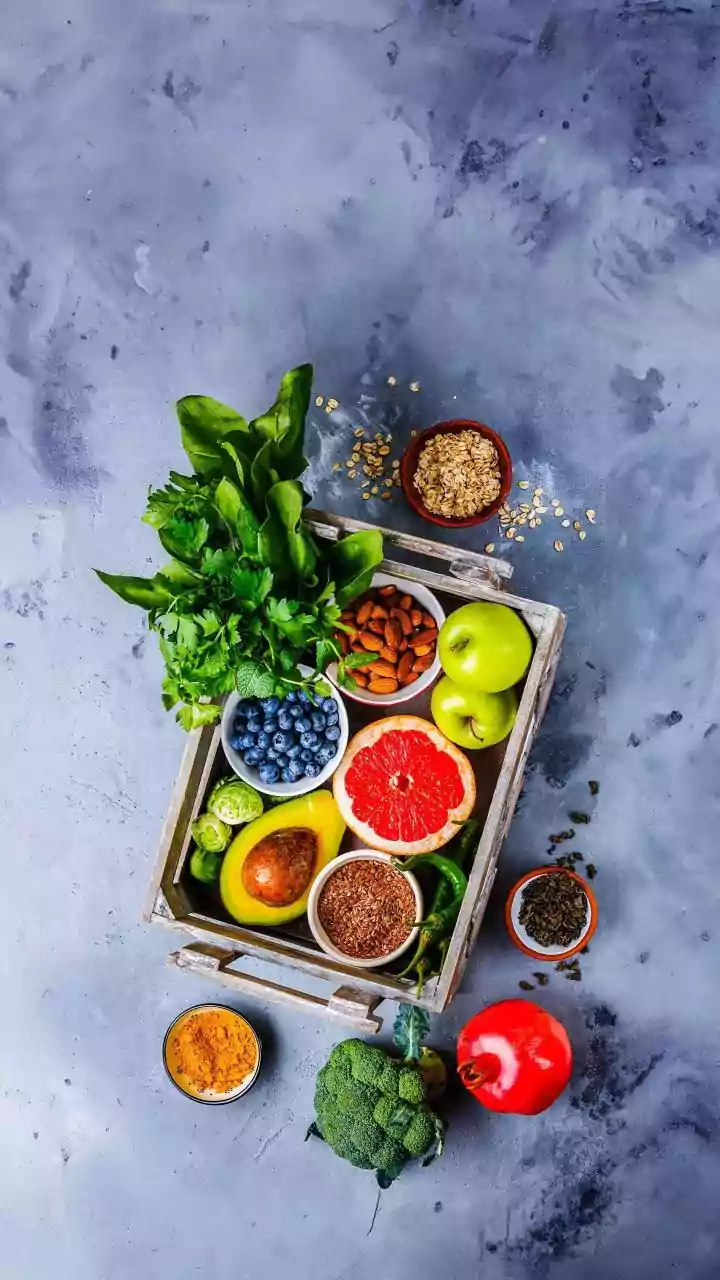
The shift towards smaller desserts is directly linked to a broader health and wellness movement. With rising awareness of lifestyle diseases, Indian consumers are actively seeking healthier options. This has led chefs to not only reduce portion sizes but also to innovate with ingredients. Traditional recipes are being re-engineered to be lighter and less reliant on refined sugar and ghee. Natural sweeteners like jaggery, dates, and fruit purees are finding their way into classic preparations. Desserts are also being infused with 'superfoods' like chia seeds and ragi, offering a functional, nutritional benefit alongside the indulgence. The menu descriptions themselves often highlight these healthier attributes, with terms like "sugar-free," "vegan," and "gluten-free" becoming common.
The Chef's Creative Canvas
This trend is not just a response to consumer demand; it's also a new creative outlet for pastry chefs. Smaller desserts require more precision and artistry, turning each bite into a jewel-like creation. The mini format allows for experimentation with fusion concepts, blending Indian flavours with global dessert techniques. We now see creations like rasmalai tiramisu, motichoor laddoo cheesecake cups, and paan-flavoured macarons. These innovations allow chefs to showcase their skills and offer diners something unique and memorable. From a business perspective, smaller portions can also lead to reduced food waste and potentially higher margins, making it a win-win for the restaurant.
An Instagram-Worthy Experience
In the age of social media, the visual appeal of food is paramount. A platter of assorted mini desserts is inherently more 'Instagrammable' than a single bowl of kheer. The variety of colours, shapes, and textures makes for a compelling photo that diners are eager to share. This online visibility drives curiosity and attracts new customers. The desire for these photogenic desserts has pushed bakeries and restaurants to focus on presentation, using elegant glassware, intricate plating, and beautiful garnishes to make their small sweets stand out. The trend feeds a cycle where visually appealing food drives social media engagement, which in turn boosts business.