







Decoding the Weather Forecast
The first step in planning is understanding the weather you’re heading into. Long-range forecasts from agencies like the India Meteorological Department (IMD) provide a big-picture view, but short-range, localised updates are crucial for on-the-ground
decisions. The IMD issues daily bulletins and five-day forecasts that can warn of heavy rainfall, helping you anticipate potential disruptions. While forecast accuracy has improved significantly, the monsoon can be unpredictable, so it's wise to use these as a guide and not a guarantee. Check reliable weather apps for real-time updates and be prepared for sudden downpours, especially in hilly or coastal areas. This allows you to build a flexible itinerary that can adapt to changing conditions.
Navigating Road Conditions and Delays
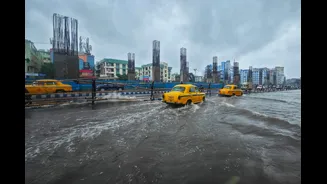
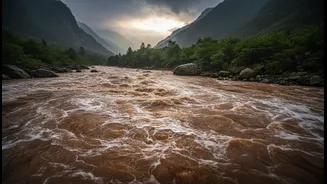
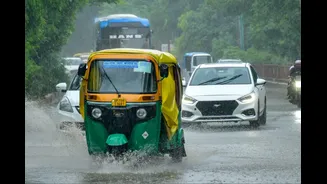
Monsoon rains can wreak havoc on infrastructure, leading to waterlogged streets in cities and dangerous landslides in mountainous regions like Uttarakhand and Himachal Pradesh. Before you travel, and each morning of your trip, check for real-time road updates. State Emergency Operation Centres and local traffic police social media accounts often provide information on road closures. Be aware that National Highways may remain open, but smaller local roads, especially in districts like Kullu or Mandi, can be blocked for hours or days. Travel during the monsoon demands a slower, more flexible schedule. Build buffer days into your itinerary to account for potential delays in flights, trains, or road journeys, and avoid driving at night or through flooded areas.
The Foundation: Choosing Sensible Footwear
The term 'sensible footwear' is critical during the monsoon. Leather shoes are not recommended as they absorb water and get damaged, while canvas sneakers take too long to dry. Your best options are waterproof or quick-drying shoes with excellent anti-slip grip. For city exploration or casual outings, waterproof slip-ons, EVA sandals, or floaters are ideal because they are lightweight and dry quickly. If you're planning treks or walks on uneven terrain, consider waterproof trail runners or hiking shoes designed to handle wet conditions. The key is to choose materials like rubber, EVA, or treated synthetics that don't retain water, which helps prevent fungal infections and keeps you comfortable. Always pack an extra pair of shoes.
Packing Smart for a Damp Climate
Beyond a good raincoat or poncho, your packing list should prioritize materials that combat humidity and moisture. Opt for quick-dry synthetic fabrics like polyester and nylon over cotton, which absorbs moisture and stays damp for hours. Pack lightweight, loose-fitting clothes that can be washed in a sink and dried overnight. A crucial addition is a set of waterproof bags or zip-lock pouches to protect your electronics, passport, and other important documents. It’s also wise to line your main backpack or suitcase with a heavy-duty liner for an extra layer of protection. A compact microfibre towel is another essential; it dries much faster than standard towels and is incredibly useful after an unexpected shower.
Health, Hygiene, and Destination Choice
The risk of waterborne diseases increases during the monsoon. To stay healthy, drink only bottled or purified water and be cautious with street food, which may be exposed to contaminated water. Carry a basic first-aid kit with essentials for cold, flu, stomach issues, and any personal medications. Insect repellent is a must, as mosquito activity increases during this season. Some destinations are better suited for monsoon travel than others. Places like Munnar in Kerala, Coorg in Karnataka, or parts of Rajasthan can be enchanting. However, be extra cautious when planning trips to regions highly prone to landslides or flooding. Always research your specific destination's monsoon conditions before booking.