



Beyond the Monument Checklist
For years, a short holiday in India meant a frantic rush between forts, palaces, and viewpoints. The goal was to tick off as many landmarks as possible before heading back to the daily grind. But a significant shift is underway. Modern travellers are
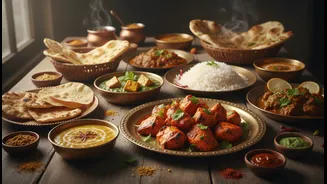
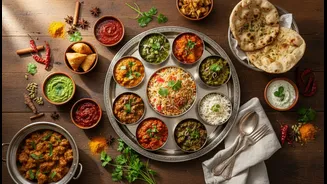
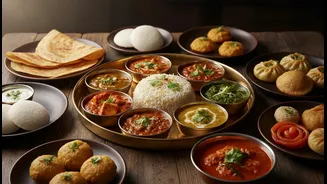
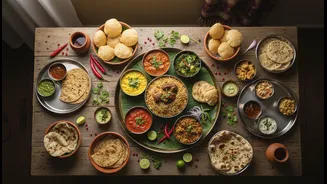
seeking more meaningful connections, and they've found the most accessible gateway to a region's soul: its food. This trend, often called culinary or experiential tourism, prioritises immersive experiences over passive sightseeing. A recent report highlighted that up to 40% of Indian travellers now consider a destination's food culture a primary factor when planning a trip. It's a move away from the generic hotel buffet and towards the authentic, flavourful heart of a place. The itinerary is no longer dictated by a map of monuments, but by a menu of must-try dishes.
The Rise of the Food Walk
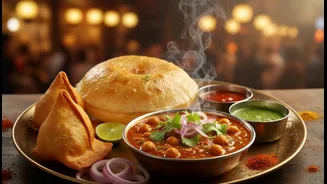
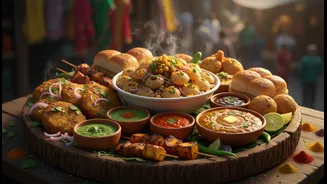
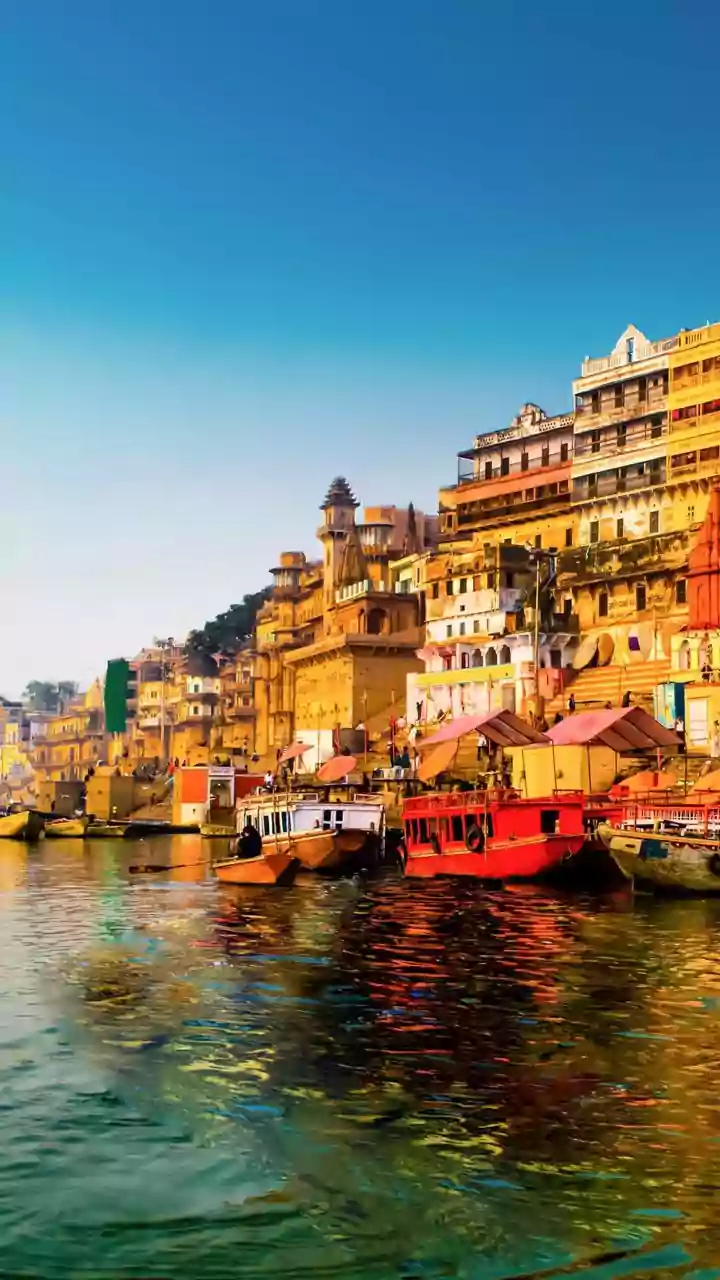
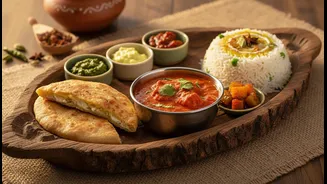
One of the most popular ways to dive into a local food scene is the humble food walk. In just a few hours, these guided tours offer a curated journey through a city's culinary history. In the maze-like lanes of Old Delhi, travellers can sample everything from spicy chaat to flaky parathas, each dish telling a story of migration and tradition. Similarly, food tours in Mumbai, Jaipur, and Kochi lead adventurers to hidden street food stalls and decades-old eateries they would never find on their own. These walks are more than just a meal on the move; they are a sensory explosion that connects travellers to the rhythm of local life. They reveal how a city eats, socializes, and celebrates, making them a powerful tool for cultural immersion on a tight schedule.
From Kitchen to Table
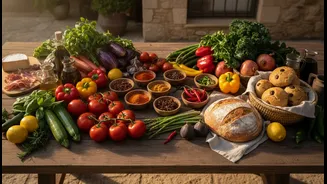
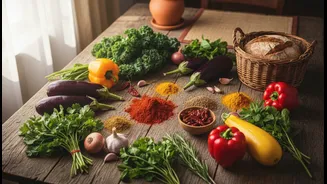
To truly understand a cuisine, many travellers are taking it a step further by rolling up their sleeves and getting into the kitchen. Homestays and dedicated cooking classes have exploded in popularity, offering hands-on lessons in regional specialties. Experiences range from learning the secrets of Rajasthani vegetarian cooking in a rural ecolodge to mastering a fragrant Mughlai biryani near the Taj Mahal. These sessions often begin with a trip to a local market to select fresh produce and spices, providing a complete farm-to-fork education. More than just a cooking lesson, it's an intimate cultural exchange. Sharing a meal prepared together with a local family creates a bond and a level of understanding that a simple restaurant dinner can rarely match.
Tasting the Terroir
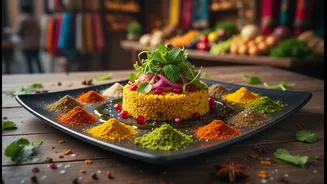
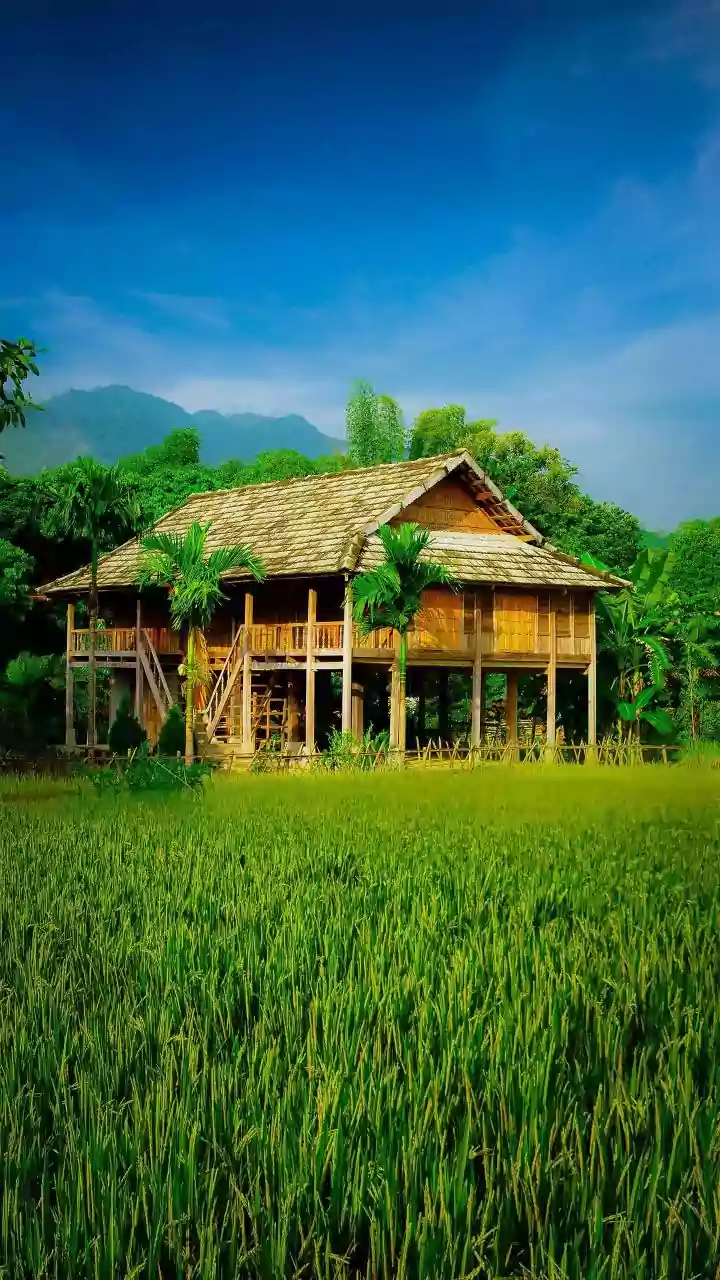
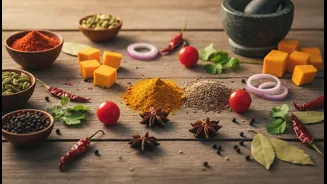
The focus on local food is also drawing travellers out of the cities and into the countryside. A growing interest in 'terroir'—the unique environmental factors that shape a food's character—is fuelling a boom in agri-tourism. Short breaks now include stays at spice plantations in Kerala, tea estates in Darjeeling, and coffee plantations in Coorg. Here, visitors can see, smell, and taste ingredients at their source, gaining a new appreciation for the journey from farm to plate. This isn't just for enthusiasts; families are increasingly embracing these trips as educational experiences for children, teaching them where their food comes from. These getaways offer a refreshing change of pace and a chance to reconnect with both nature and the fundamentals of Indian cuisine.
A New Kind of Souvenir
Ultimately, this shift reflects a deeper change in what we value from travel. The focus is moving from collecting photos to collecting experiences, flavours, and stories. According to recent travel trend reports, exploring local grocery stores and bringing back unique ingredients or kitchenware is becoming the new souvenir hunting for many. Instead of a mass-produced trinket, the best souvenir from a trip to Goa might be a secret family recipe for a fish curry, or from Rajasthan, a hand-ground spice mix. This new breed of traveller understands that food is a language in itself. It’s a way to connect with people, understand history, and experience a culture in the most delicious and memorable way possible. The short break is no longer just an escape; it's an opportunity for a genuine cultural deep dive, one plate at a time.