


First, What Is Fibre and Why Bother?
Before we dive into the 'how', let's cover the 'why'. Dietary fibre is a type of carbohydrate that the body can't digest. It passes through your system largely intact, but its journey is incredibly beneficial. There are two types: soluble fibre (dissolves
in water, helps lower cholesterol and blood sugar) and insoluble fibre (doesn't dissolve, promotes regularity and prevents constipation). A high-fibre diet is linked to a lower risk of heart disease, type 2 diabetes, and certain types of cancer. It also aids in weight management by keeping you feeling full for longer. For many Indians, increasing fibre intake isn't about adopting a new diet, but simply celebrating and leaning into the foods we've always eaten.
The Power of Dals and Legumes
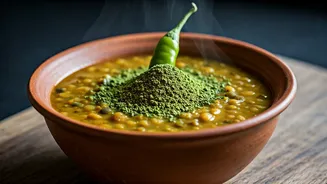
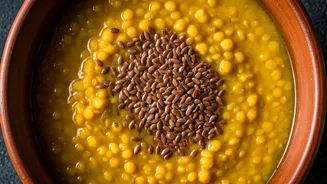
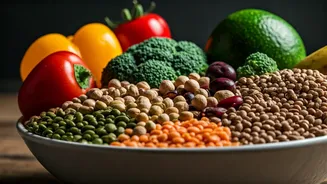
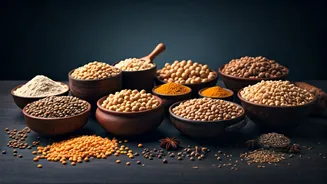
The humble dal is the undisputed hero of the Indian high-fibre diet. Whether it's toor, masoor, moong, or chana, every bowl is packed with both soluble and insoluble fibre, not to mention plant-based protein. A single cup of cooked lentils can provide over half of your recommended daily fibre intake. Beyond the everyday dal, our cuisine embraces a vast array of legumes like rajma (kidney beans), chhole (chickpeas), and lobia (black-eyed peas). These are not just occasional treats; they are fibre powerhouses that form the basis of hearty, satisfying meals. By simply ensuring a dal or legume-based dish is part of your daily lunch and dinner, you are effortlessly boosting your fibre consumption.
Go With the (Whole) Grain
White rice and refined flour (maida) have become common, but India’s true grain heritage lies in whole, unprocessed forms. This is where you can make the biggest impact. Swapping white rice for brown rice, even a few times a week, significantly increases your fibre intake. But why stop there? Our culinary history is rich with millets like ragi (finger millet), jowar (sorghum), and bajra (pearl millet). These ancient grains are not only gluten-free but also exceptionally high in fibre and essential minerals. Instead of a standard maida-based naan, opt for a whole wheat roti, a jowar bhakri, or a ragi mudde. These swaps don't just add fibre; they add flavour, texture, and a deep connection to our agricultural roots.
Celebrate the Sabzi Basket
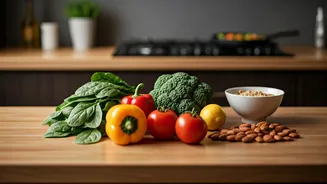
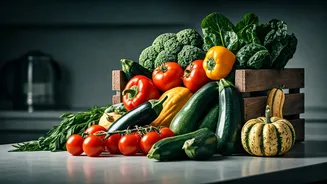
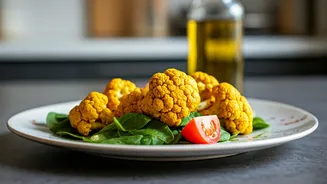
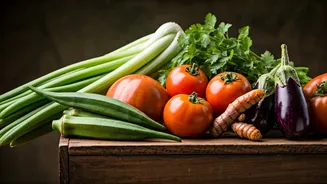
Vegetables are a non-negotiable part of any healthy diet, and Indian cooking makes them delicious. A simple sabzi is a fantastic vehicle for fibre. Vegetables like bhindi (okra), green beans, carrots, spinach, and cauliflower are all excellent sources. The key is in the preparation. While a creamy, rich curry is wonderful, a simple stir-fry or lightly spiced steamed preparation preserves more of the vegetable's natural fibrous structure. Don't forget gourds like lauki (bottle gourd) and tori (ridge gourd), which are high in soluble fibre and great for digestion. Aim to fill at least a third of your plate with a colourful variety of sabzi to ensure you're getting a wide spectrum of nutrients and fibre.
Fruits, Seeds, and Spices: The Bonus Boost
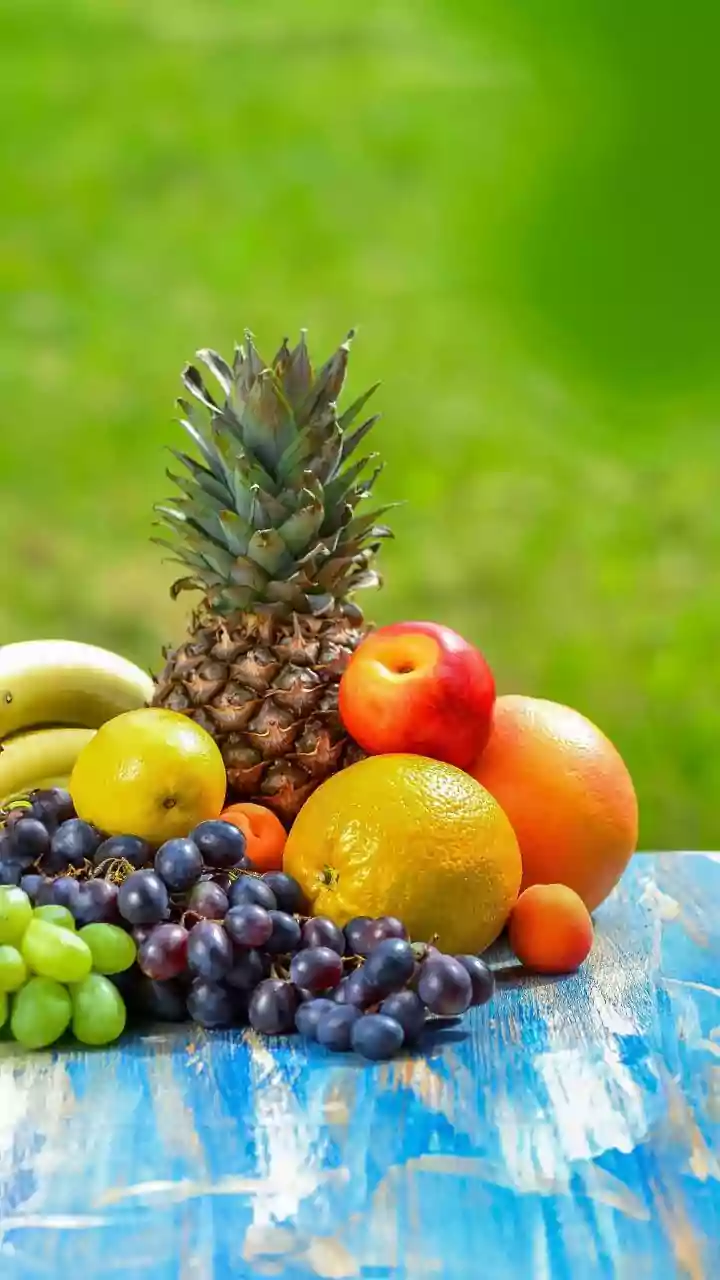
Fibre isn't just confined to main courses. Many Indian fruits, like guavas, apples, and bananas, are excellent sources. A simple fruit chaat for a snack is a much better choice than a packaged biscuit. Furthermore, our spice boxes hold secret fibre weapons. Spices like fenugreek seeds (methi dana), cumin seeds (jeera), and coriander seeds (dhaniya) contain surprising amounts of dietary fibre. While you don't consume them in large quantities, their contribution adds up over time. Even the garnish matters! A sprinkle of fresh coconut or a handful of nuts and seeds on your poha or upma can add that extra crunch and a valuable fibre boost to start your day right.