





The Monsoon Factor This August
Mid-August is peak monsoon season across much of India, and 2026 is no exception. The India Meteorological Department (IMD) has already issued alerts for heavy rainfall in several states. While the season transforms landscapes into lush, green paradises,
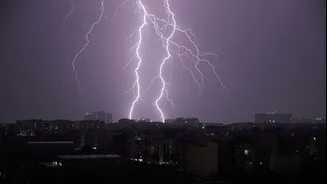
it also brings risks of travel disruption. Heavy downpours can lead to waterlogging, landslides, and road closures, particularly in hilly and coastal regions. Airlines and tour operators are advising travellers to monitor weather updates closely, as flight schedules and transport services can be affected. This doesn't mean you should cancel your plans, but it does mean that being informed and prepared is more critical than ever for a safe and enjoyable trip. Recent forecasts indicate that active monsoon conditions are expected to continue, with warnings issued for states across North, South, and Northeast India.
Popular Destinations: Risk vs. Reward
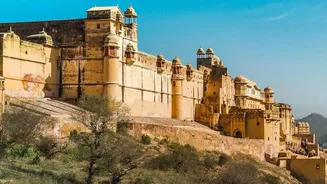
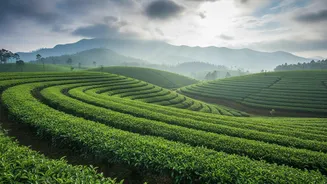
Many popular long-weekend spots are at their most beautiful, yet most vulnerable, during the monsoon. Hill stations like Lonavala, Mahabaleshwar, Manali, and Mussoorie are favourites for their mist-covered valleys and gushing waterfalls. However, these are also the areas prone to landslides and blocked roads. Destinations in the Western Ghats, such as Coorg and Munnar in the south, offer stunning coffee and tea plantations but have also seen alerts for intense rainfall. Similarly, parts of Uttarakhand and Himachal Pradesh face risks of flash floods. Goa is another popular choice, offering a quieter, greener experience, but rough seas often mean swimming and water sports are restricted. For a potentially drier trip, destinations in Rajasthan like Udaipur and Jaipur could be a safer bet, as the region typically receives less rainfall.
Your Weather-Checking Toolkit
Staying ahead of the weather is simple with the right tools. The most reliable source is the India Meteorological Department (IMD). Their official website and the 'Mausam' app provide district-level forecasts, colour-coded alerts (yellow, orange, red), and warnings for severe weather like thunderstorms and heavy rain. It’s wise to check these resources not just before you book, but also in the days leading up to your departure and each morning of your trip. Many news outlets also provide daily weather updates based on IMD bulletins. Setting up alerts for your specific destination can help you receive timely information, allowing you to adjust your itinerary if needed and avoid getting caught in dangerous conditions.
Smart Booking and Packing Strategies
Given the weather's unpredictability, flexibility is key. When booking flights and hotels, look for options with flexible or refundable policies. While these may cost slightly more, they provide peace of mind. According to DGCA regulations, if a flight is cancelled due to weather, you are entitled to a refund or an alternate flight. For accommodation, read the cancellation policy carefully to understand the deadline for a full refund. Packing for a monsoon trip requires some specific essentials. A lightweight waterproof jacket, an umbrella, and quick-drying clothes are non-negotiable. Avoid jeans, which get heavy and take ages to dry. Waterproof footwear with good grip is crucial for navigating slippery surfaces. Also, protect your electronics by carrying waterproof bags or pouches. A power bank is another must-have, as power cuts can be more frequent during heavy rains.
Staying Safe if Plans Go Awry
Even with the best planning, the weather can force a change of plans. If you are on a road trip, especially in the hills, avoid driving at night. Always check with your hotel or local authorities about road conditions before setting out for the day. Never venture into overflowing rivers or attempt to take photos near waterfalls on wet, slippery rocks. It’s also wise to have a backup plan. Research some indoor attractions at your destination, like museums, cafes, or spas, in case you are rained in for a day. Finally, allow for buffer time in your schedule. Don't plan a tight itinerary, as delays are common during this season. A relaxed approach will ensure that even if you face a disruption, your holiday spirit remains intact.