




The Psychology of Comfort
There's a simple, human reason we return to franchises: comfort. In a world of endless streaming choices, picking a new film is a gamble. Will it be worth the time and money? A sequel with a beloved character removes that uncertainty. Audiences know exactly
what they're getting. Psychologically, re-engaging with a known story or character is less cognitively demanding. Studies show that familiar content can provide emotional relief and a sense of control because the outcome is predictable. When you buy a ticket for a new 'Singham' or 'Golmaal' film, you’re not just paying for a movie; you're buying a guaranteed feeling. This feeling of nostalgia and comfort creates a pre-existing emotional connection, making the audience more receptive before the opening credits even roll.
The Character as a Brand
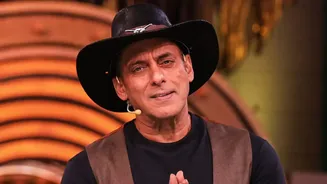
In modern Bollywood, characters have become brands in themselves. Chulbul Pandey from 'Dabangg' isn't just a role played by Salman Khan; he is an intellectual property with his own mannerisms, catchphrases, and fan following. The same applies to Munna and Circuit from the 'Munna Bhai' series or the agents from YRF's Spy Universe. This character-centric branding is a powerful marketing tool. Producers can build campaigns around the character's recall value, which is often stronger than the film's title itself. An industry expert noted that if a film like 'Bhool Bhulaiyaa 3' were given a different name, it wouldn't command the same opening day excitement because it lacks the built-in audience that comes with the franchise name. The character's popularity de-risks the film in a volatile market where even major stars need more than just their own name to guarantee success.
A Financial Safety Net
Filmmaking is a high-stakes business, and franchises are seen as a safer bet. Producers know that a sequel to a successful film has a built-in audience, which helps ensure a strong opening weekend at the box office. This financial security is a major driver of the sequel trend. Successful franchises like 'Dhoom', 'Krrish', and 'Housefull' have consistently posted impressive box office numbers with each new installment, reinforcing the commercial viability of this model. This reliance on proven formulas is a way to mitigate risk in an industry where many films struggle to break even. For actors, being part of a hit franchise can be a significant career move, sometimes guaranteeing a box office success that can be used to leverage higher fees for future projects.
The Risk of Diminishing Returns
However, the formula is not foolproof. The very familiarity that makes franchises appealing can also lead to their downfall. When a sequel feels like a lazy rehash of the original, relying on the character's popularity without a compelling new story, audiences can feel cheated. Critics argue that this over-reliance on sequels can stifle creativity and originality in the industry. Brand fatigue is a real risk; a franchise can only be stretched so far before viewers grow tired of the same jokes and action sequences. The underperformance of some recent sequels has shown that star power and a familiar title are no longer enough. If the story doesn't connect emotionally, even the most beloved characters can't save a film from failure, proving that a head start doesn't guarantee a win.