





Peering Through the Acid Clouds
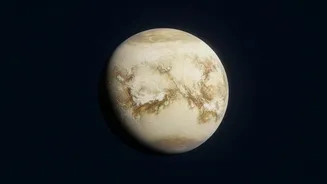
For decades, scientists have debated a tantalizing question: is Venus volcanically active today? While the planet is covered in hundreds of volcanoes, its thick, corrosive atmosphere makes it incredibly difficult to find a definitive answer. The key to solving
this mystery lies in the planet's atmospheric composition. Any sulphur dioxide detected in the upper atmosphere must have been supplied recently from below, as the gas is quickly destroyed by sunlight. Previous missions, like NASA's Pioneer Venus and ESA's Venus Express, have recorded significant, unexplained fluctuations in sulphur dioxide levels over the years, hinting at volcanic eruptions as a possible cause. ISRO's latest achievement builds on this legacy, employing sophisticated instruments to trace these telltale gases, potentially capturing the 'smoking gun' of active Venusian volcanoes.
The Science of Sulphur Dioxide
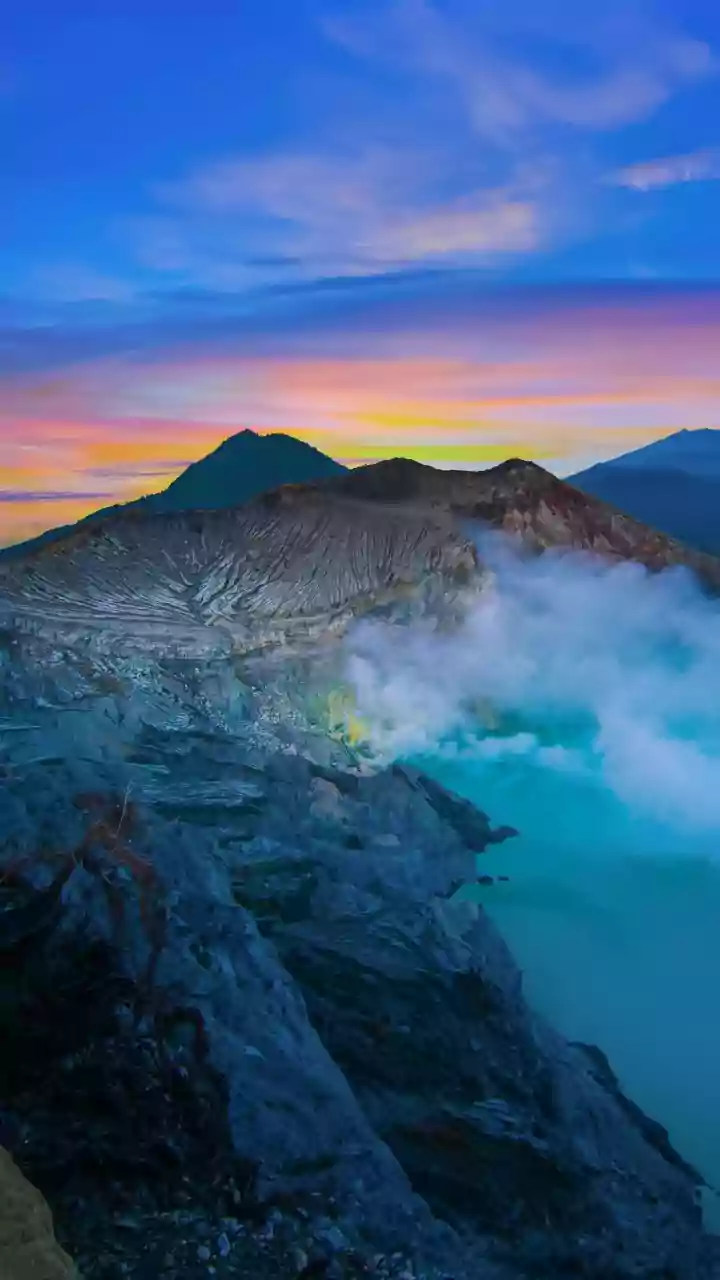
Sulphur dioxide (SO2) is a pungent gas that, on Earth, is generated almost entirely by volcanic activity. Venus’s atmosphere contains over a million times more SO2 than our own, but most of it is trapped below the dense upper cloud deck. Finding plumes of this gas high above the clouds is a strong indicator that something is actively punching it upwards from the surface. A powerful volcanic eruption could act like a giant piston, blasting SO2 and other gases into the upper atmosphere. By tracking the movement and dispersal of these gas plumes, scientists can not only pinpoint potential eruption sites but also gain invaluable data on the planet's complex atmospheric behaviour. These observations are crucial because the presence and variation of SO2 have long been considered a primary piece of evidence for modern volcanism on Venus.
Decoding Venus’s Wild Atmosphere
Beyond the search for active volcanoes, tracking gas plumes is fundamental to understanding Venus's bizarre atmospheric dynamics. The planet experiences a phenomenon known as 'super-rotation,' where its atmosphere whips around the entire globe in just four Earth-days—a staggering 60 times faster than the planet itself rotates. The mechanics behind this super-rotation remain one of the biggest puzzles in planetary science. By observing how volcanic plumes are stretched, sheared, and transported by these ferocious winds, scientists can model the atmospheric circulation with greater accuracy. This helps explain how energy and chemicals are moved around the planet, contributing to its runaway greenhouse effect and surface temperatures hot enough to melt lead.
Paving the Way for Shukrayaan-1
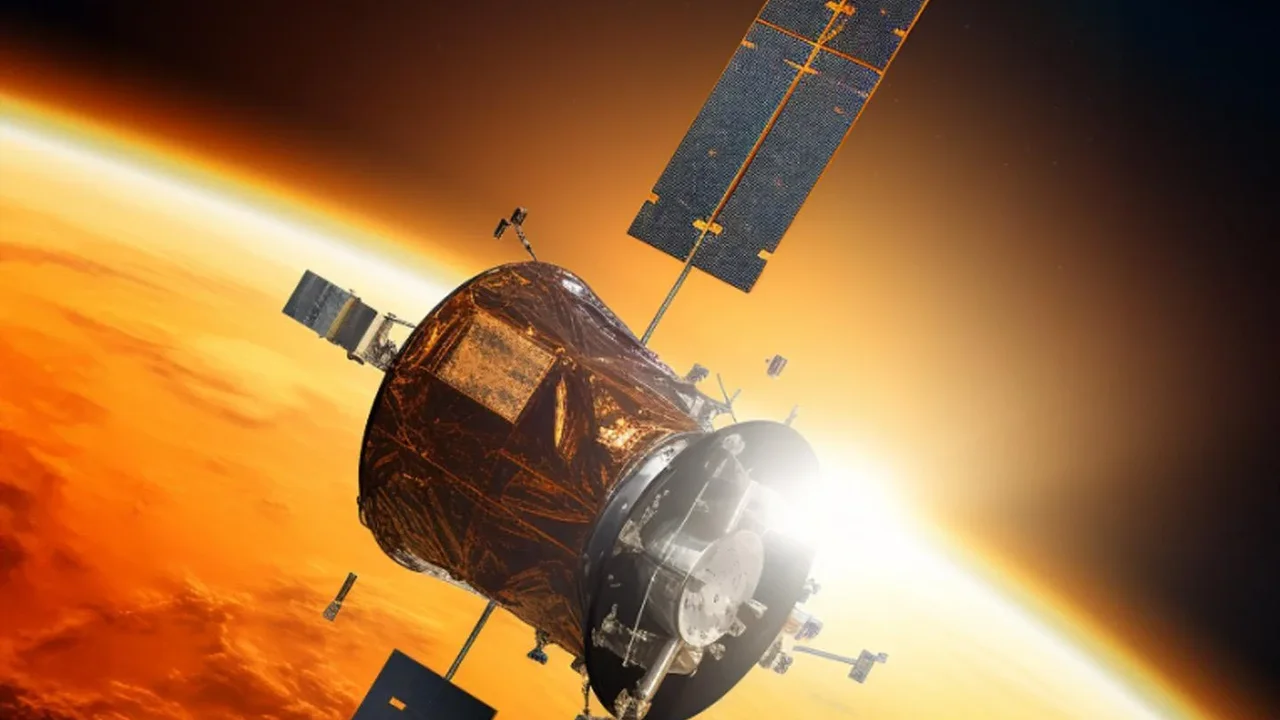
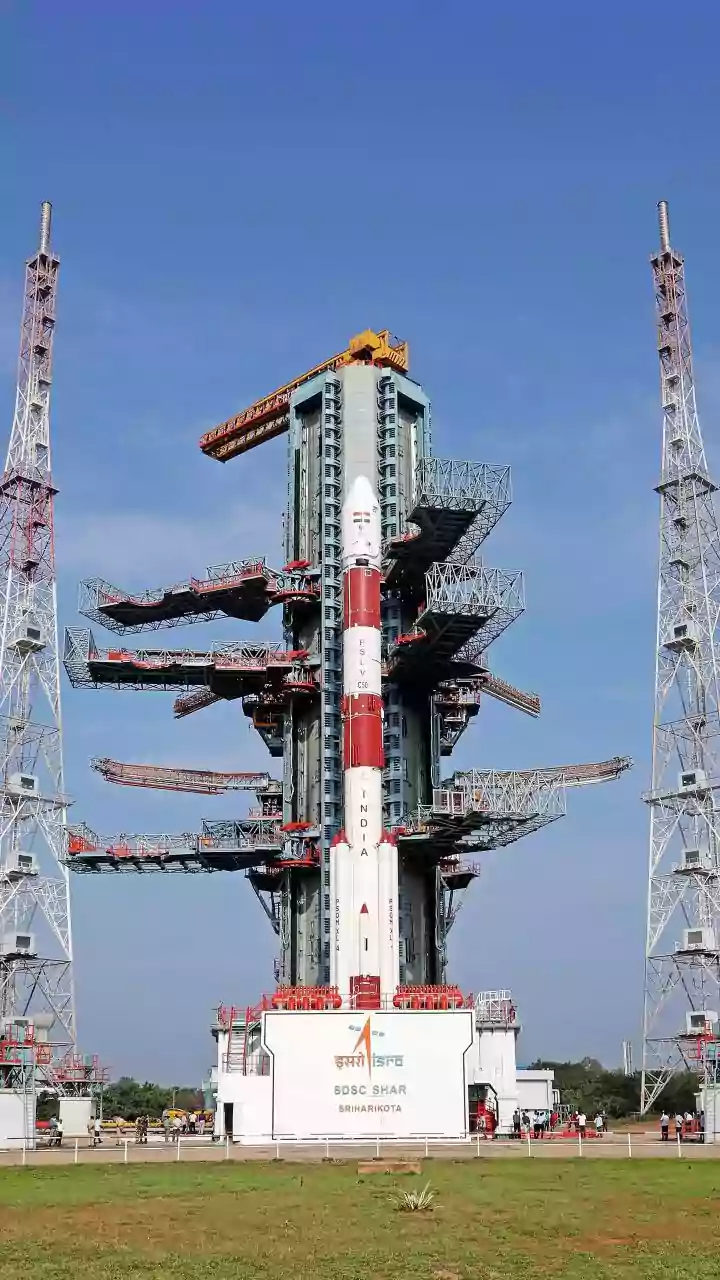
This research is a critical step for ISRO’s upcoming flagship mission, Shukrayaan-1. Scheduled for launch in the coming years, India's first dedicated Venus orbiter is designed to conduct a comprehensive investigation of the planet. The mission aims to map Venus's surface and subsurface, study its atmospheric chemistry, and investigate the interaction between the planet and the solar wind. Payloads on Shukrayaan-1, such as the Venus Thermal Camera and others developed in collaboration with international partners, will build directly on the techniques used to track these gas plumes. By refining these detection methods now, ISRO is ensuring that its orbiter will be perfectly equipped to unravel the many secrets that Venus still holds, from its geological activity to its extreme climate.