




Why Movement Patterns Matter
Fitness can seem complicated, but our bodies are built for a few core actions. These are the fundamental movement patterns that humans have used for millennia to survive and thrive. Training these patterns—push, pull, squat, hinge, lunge, and carry—builds
a balanced, capable body that can handle everyday life, from lifting groceries to playing with your kids. Unlike machines that isolate a single muscle, movement patterns use multiple joints and muscle groups at once. This approach, often called functional training, creates strength that is useful outside the gym, improves coordination, and helps prevent injuries by building a more resilient body.
The Push: Pushing Strength Away
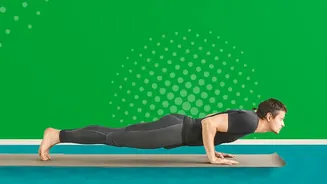
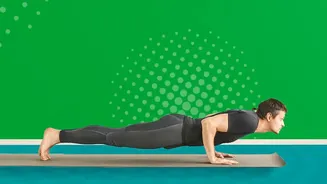
Any time you push an object away from your body, you're performing a push movement. This pattern is key for upper body strength, primarily targeting the chest, shoulders, and triceps. Think about pushing a heavy door open, lifting something onto a high shelf, or even getting up from the floor. Incorporating both horizontal pushes (like a push-up or bench press) and vertical pushes (like an overhead press) ensures you're building well-rounded shoulder and chest stability. Common Exercises: Push-ups, Dumbbell Bench Press, Overhead Press, Dips.
The Pull: Drawing Strength In
The natural counterpart to the push is the pull. These exercises involve drawing a weight toward your body and are essential for a strong back and biceps. A strong pull is crucial for good posture, as it counteracts the forward-slouching posture common in modern life. Daily activities like starting a lawnmower, pulling a door open, or lifting a child rely on this pattern. For balanced strength and healthy shoulders, it's recommended to include as many, if not more, pulling exercises in your routine as pushing ones. Common Exercises: Pull-ups, Bent-Over Rows, Seated Cable Rows, Lat Pulldowns.
The Squat: Lowering Your Centre of Gravity
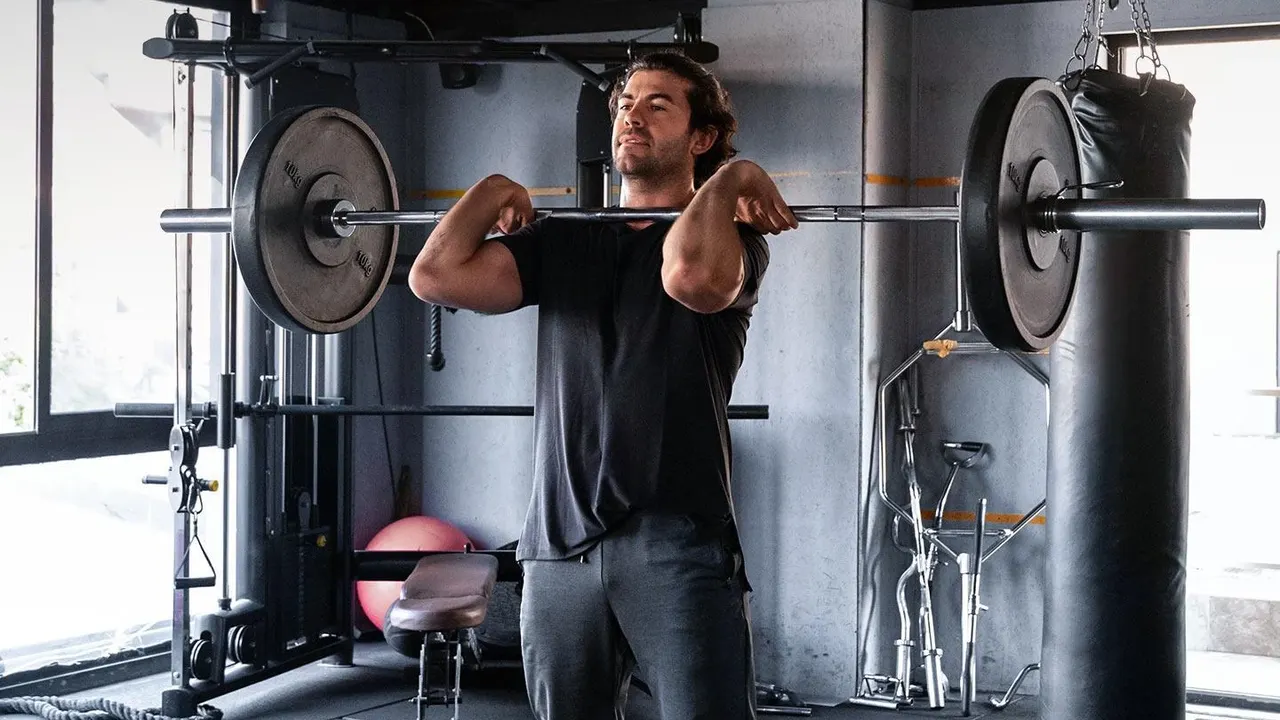
The squat is a foundational movement you perform every day, whether you're sitting down in a chair, getting into a car, or picking something up. It involves lowering your body by bending at the hips and knees while keeping your torso relatively upright. Squatting builds powerful legs—targeting the quads, hamstrings, and glutes—and strengthens your core. Mastering the squat improves overall mobility and ensures your lower body remains strong and functional for life. Common Exercises: Goblet Squats, Bodyweight Squats, Barbell Back Squats, Front Squats.
The Hinge: Bending at the Hips
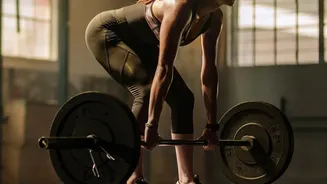
The hip hinge is arguably the most important pattern for protecting your lower back. It involves bending forward at the hips while keeping your spine neutral, a movement crucial for safely lifting objects from the floor. This pattern primarily strengthens the posterior chain: your glutes, hamstrings, and lower back. Most back injuries occur when people bend with their spine instead of hinging at their hips. By mastering exercises like the deadlift, you train your body to lift heavy loads correctly and build a powerful, resilient back. Common Exercises: Deadlifts, Kettlebell Swings, Romanian Deadlifts, Good Mornings.
The Lunge & Carry: Building Stability and Endurance
The lunge and carry are two patterns that are critical for dynamic stability and real-world endurance. The lunge is a single-leg movement that improves balance and addresses strength imbalances between your right and left sides. It's essential for activities like climbing stairs or getting up from the ground. The loaded carry, such as a farmer's walk, involves simply picking up a heavy weight and walking with it. This builds grip strength, a resilient core, and the kind of practical strength needed for carrying heavy shopping bags or luggage. Common Exercises: Forward/Reverse Lunges, Bulgarian Split Squats, Farmer's Walks, Suitcase Carries.