




From Passive Tourism to Active Passion
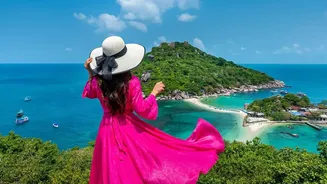
The great Indian vacation is getting a makeover. For many young professionals and students, the idea of a trip has evolved from simply visiting a destination to experiencing it through a specific activity. Instead of a checklist of monuments, their itineraries
are built around a purpose: a surfing course in Udupi, a pottery workshop in a Himachali village, a yoga retreat in Rishikesh, or a writing residency in Kerala. This trend, often called 'hobbycations' or 'skillcations', marks a significant shift from passive consumption to active participation. It’s a move away from rushed, crowded itineraries and towards slower, more immersive journeys where the goal is to return home not just with photos, but with a new skill, a fresh perspective, and a renewed sense of self.
Why the Shift? A Search for Meaning and Connection
Several factors are driving this change. For a generation grappling with relentless work schedules, digital overload, and burnout, hobbies often get pushed to the back burner in daily life. A hobby-centric trip offers a dedicated space to reconnect with those passions. It transforms a vacation from a simple escape into an act of self-investment and personal growth. Furthermore, after years of travel content focused on landmarks, social media now glorifies hyper-personal experiences: learning to dye fabric, journaling in a mountain cafe, or mastering a local recipe. This has inspired many to seek out journeys that reflect who they are, rather than just where they've been. The emotional and personal value of a trip now often outweighs a packed schedule of tourist spots.
The Rise of the Skill-Based Itinerary
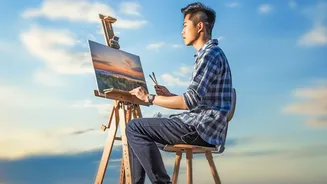
The range of hobbies fueling this trend is vast and growing. Adventure sports like scuba diving, surfing, and paragliding are popular choices, with many travellers signing up for certification courses that turn a holiday into an achievement. Wellness is another massive driver, with young Indians flocking to yoga teacher trainings and meditation workshops in destinations like Rishikesh and Kerala, seeking mental and spiritual rejuvenation. Creative and artisanal skills are also in high demand. Travellers are booking trips to learn everything from Madhubani painting in Bihar and traditional weaving in Rajasthan to sustainable farming in Sikkim. These trips are not just about individual learning; they often foster a strong sense of community, connecting people with shared interests from different walks of life.
An Evolving Travel Ecosystem
The travel industry has been quick to respond. A growing number of travel companies and local operators now offer customised packages and curated retreats built around specific skills and experiences. These can range from budget-friendly homestays offering lessons with local artisans to luxury properties providing sophisticated workshops, like perfume-making or watchmaking. This focus on experiences is creating opportunities for destinations that were previously considered offbeat or seasonal. A quiet coastal town becomes a surfing hub, while a remote village turns into a haven for pottery enthusiasts. This trend is expected to grow, with some industry experts projecting annual growth of 15-20% in the learning-led tourism segment. It reflects a fundamental change where the experience itself is becoming the destination.