






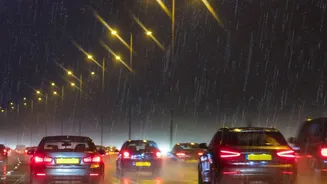
Rain is a Risk, But Disruption is the Claim
A common misconception among travellers is that a forecast for rain automatically qualifies them for an insurance claim. In reality, travel insurance policies don't cover bad weather itself, but rather the specific, severe disruptions it causes. For a policy
to activate, the weather event must typically be severe enough to cause a significant interruption. This could mean your airline cancels a flight, your pre-booked train service is suspended for a prolonged period (often 24 hours or more), or a mandatory evacuation order is issued for your destination. It can also apply if flooding or a landslide makes your hotel uninhabitable or roads to your destination are officially closed. Simply not wanting to go because of a rainy forecast is considered a voluntary cancellation and will not be covered by a standard policy.
The 'Foreseeable Event' Exclusion
Timing is everything when it comes to travel insurance. A critical clause in nearly every policy is the exclusion for “foreseeable events.” This means if a weather system like a cyclone or severe storm is already named or has been officially forecasted by meteorological agencies before you purchase your insurance, any disruption caused by that specific event will not be covered. Insurers consider it a known risk that you accepted. This makes it vital to purchase your travel insurance policy as soon as you book your major travel components like flights and hotels. Waiting until a bad weather report surfaces a week before your trip is often too late to be protected from that event.
Decoding Your Policy's Benefits
When a severe weather event does trigger your coverage, it's important to know what benefits you can claim. Trip Cancellation coverage reimburses your prepaid, non-refundable costs if you have to cancel your trip entirely before it begins due to a covered reason. Trip Interruption applies if you are already on your holiday and have to cut it short; this can cover the unused portion of your trip and even extra costs to return home. Another key benefit is Travel Delay, which can reimburse you for reasonable expenses like meals and accommodation if you are stuck for a specified number of hours (e.g., over 6 or 12 hours) due to a weather-related delay of your carrier.
The Ultimate Safety Net: 'Cancel For Any Reason'
For travellers who want maximum flexibility, especially when booking expensive or long-awaited trips, the 'Cancel For Any Reason' (CFAR) add-on is worth considering. This optional upgrade allows you to cancel your trip for any reason whatsoever—including a simple change of mind or a poor weather forecast—and still recoup a significant portion of your non-refundable costs. Typically, CFAR will reimburse between 50% and 75% of your trip expenses. This premium feature usually needs to be purchased within a short window (often 15-21 days) of your initial trip payment and requires you to cancel your plans at least 48 hours before departure.
Using Rain Alerts Proactively
Modern weather apps and government meteorological department websites are powerful tools. Use them not just to check the forecast, but to set up alerts for your specific destination. Distinguish between a general forecast (e.g., “70% chance of rain”) and an official warning (e.g., “Red alert for heavy rainfall and flooding”). An official warning carries more weight and is often the kind of evidence an insurance company will require when processing a claim. Keep screenshots of these official alerts and any notifications from your airline or hotel about closures or cancellations. When making a claim, you will need to provide documentation that proves your trip was directly and unavoidably disrupted.