





Why Your Dream Car Costs More Now
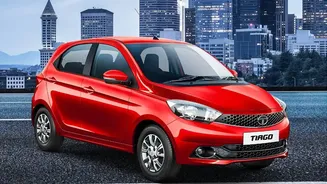
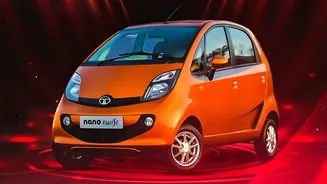
If you're feeling the pinch, you're not imagining it. Major automakers in India, including Maruti Suzuki, Hyundai, and Tata Motors, have announced price hikes leading into the festive season. Tata Motors is set to increase prices by up to ₹25,000 from
September 2026, with Hyundai planning a hike of up to 1% around the same time. Maruti Suzuki already raised its prices in August. The reasons are complex, stemming from a combination of factors that manufacturers can no longer absorb. These include higher input and commodity costs, increased operational and logistics expenses, and broader macroeconomic uncertainties. Essentially, the cost of manufacturing and transporting cars has gone up, and that increase is now being passed on to customers right as the festive buying period begins.
The Festive Discount: A Reality Check
Traditionally, the festive season is synonymous with attractive deals. Automakers launch aggressive campaigns with cash discounts, free insurance, and exchange bonuses to capture the positive consumer sentiment. However, in a market with rising baseline prices, it's crucial to manage expectations. The 'discounts' offered this year might be smaller or designed to offset the recent price hikes rather than providing deep savings. Instead of just looking at the headline discount, pay attention to the value of the entire package. This can include bundled accessories, extended warranty packs, or favourable financing schemes. Sometimes a lower interest rate on a loan can save you more money in the long run than a simple cash discount. The key is to focus on the final on-road price after all offers have been applied.
Think Beyond the Showroom Price Tag
A car's price is just the beginning of its cost. Young buyers, in particular, should get familiar with the Total Cost of Ownership (TCO), which is the complete expense of a vehicle from purchase to sale. This includes the initial ex-showroom price, but also registration fees, road tax, and insurance. Over the years, you'll also spend on fuel, regular maintenance and servicing, and potential repairs. Finally, depreciation—the loss in a car's value over time—is a major hidden cost. A new car loses a significant portion of its value in the first few years. Before you commit, estimate these recurring expenses. A car that's cheaper to buy might be more expensive to run due to poor fuel efficiency or high maintenance needs, making a slightly pricier but more efficient model a smarter long-term choice.
Navigating Your First Car Loan
For most young buyers, financing is key. Before walking into a dealership, it's wise to get a clear picture of your financial health. Check your CIBIL or credit score, as a good score is crucial for securing favourable loan terms and competitive interest rates. Don't automatically accept the first loan offer you get, which is often from the dealer's partner bank. Compare rates from different banks and financial institutions. Pay close attention to the loan tenure. A longer tenure might mean a lower EMI (Equated Monthly Instalment), but you'll end up paying significantly more in total interest over the life of the loan. Plan your budget in advance to determine a comfortable EMI that doesn't strain your finances.
The Smart Alternative: Certified Pre-Owned Cars
In a high-priced market, don't overlook the certified pre-owned (CPO) route. These are not just any used cars; they are vehicles that have been inspected, refurbished, and certified by the manufacturer or a reputable dealer. They often come with benefits like a warranty and sometimes even roadside assistance, offering peace of mind that's closer to buying a new car. The biggest advantage is sidestepping the initial steep depreciation. A CPO car can be significantly more affordable than its brand-new equivalent, allowing you to potentially buy a bigger or more premium model for the same budget. With major brands like Maruti (True Value) and Hyundai (H-Promise) running their own CPO programs, it's a reliable and value-driven option for buyers looking to maximize their budget without compromising on quality.