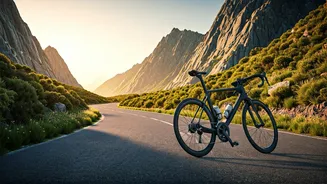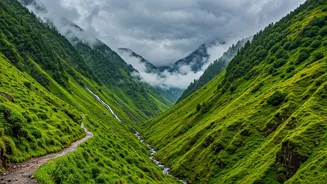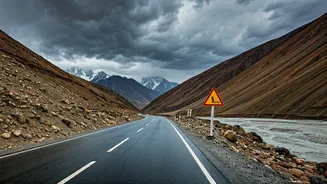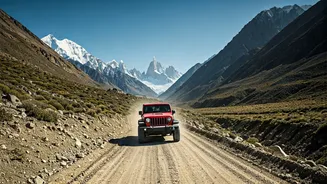





The Ultimate Adventure: Manali to Leh
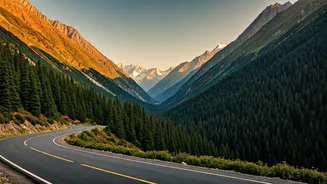
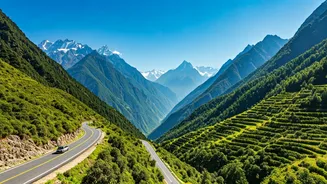
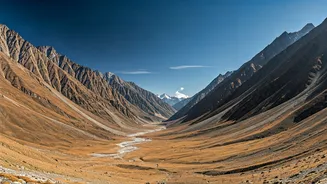
Often hailed as the mother of all Indian road trips, the Manali-Leh highway is a pilgrimage for adventurers. [9, 10] Stretching over 427 kilometres, this route is a breathtaking journey through some of the world's highest motorable passes, including the formidable
Tanglang La at over 17,000 feet. [9, 10] The drive, typically completed in two to three days, takes you from the green valleys of Manali, through the arid, dramatic landscapes of Lahaul and into the high-altitude desert of Ladakh. [9] Highlights are plentiful, from the 21 hairpin bends of the Gata Loops to the vast, surreal plains of Morey. [9] The journey is challenging, with unpredictable weather and rugged terrain, but the reward is an unparalleled sense of accomplishment and views that are truly out of this world. The best time to undertake this journey is from June to September when the roads are clear of snow. [10, 36]
The Valley of Contrasts: Srinagar to Leh
If the Manali-Leh route is a test of endurance, the Srinagar-Leh highway is a journey of scenic contrasts and cultural immersion. Spanning about 420 kilometres, this route is often recommended for first-timers to Ladakh due to its more gradual ascent, which helps with acclimatisation. [13] The drive begins in the lush, green paradise of Kashmir, passing through the meadows of Sonamarg before ascending the thrilling Zoji La pass, the gateway to Ladakh. [13, 27] Along the way, you'll encounter the Drass Valley, noted as the second coldest inhabited place on Earth, the Kargil War Memorial, and the ancient Lamayuru Monastery, perched dramatically above a 'moonland' landscape. [13, 27] This two-day journey offers a smoother ride and more facilities compared to its Manali counterpart, making it a comfortable yet equally spectacular option. [13]
The Forbidden Kingdom: The Spiti Valley Circuit
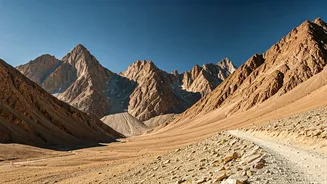
For those who seek the raw and remote, the Spiti Valley circuit is an adventure into a world seemingly frozen in time. This high-altitude cold desert, nestled in the northeastern part of Himachal Pradesh, offers a landscape of stark, barren mountains, ancient monasteries, and tiny villages. [8, 24] The full circuit, often starting from Shimla and concluding in Manali, is a drive of about 700-1000 km that takes you through the tribal districts of Kinnaur and Spiti. [8, 24] Highlights include visiting the last inhabited village of Chitkul, the serene Nako Lake, the Dhankar Monastery clinging to a cliff, and sending a postcard from the world's highest post office in Hikkim. [8, 23] The roads are treacherous and demanding, but they reward the hardy traveller with profound solitude and a deep connection to a unique Tibetan-influenced culture. [23, 24]
The Classic Introduction: Chandigarh to Shimla
Not every Himalayan drive needs to be an epic, multi-day expedition. The journey from Chandigarh to Shimla is a classic, accessible, and thoroughly enjoyable introduction to the hills. [7] This drive, approximately 115 kilometres long, winds its way up from the plains, offering progressively beautiful views of the Shivalik Hills. [39] The four-laning of the highway has significantly cut down travel time, making it a smooth and comfortable ride for the most part. [26] It's the perfect trip for a weekend getaway, allowing you to escape the city and be in the colonial-era charm of Shimla in just a few hours. While landslides can be a concern during the monsoon season, for most of the year, it's a safe and scenic drive that sets the stage for the greater Himalayan adventures that lie beyond. [26, 41]
A Note on Preparation
Driving in the Himalayas requires careful preparation. Before you go, ensure your vehicle is thoroughly serviced, especially the brakes, tyres, and engine. [21, 32] For high-altitude routes like Manali-Leh and Spiti, it is crucial to acclimatise properly to avoid Acute Mountain Sickness (AMS). [21] Always carry essentials like a first-aid kit, warm clothing, extra food, water, and fuel, as facilities can be sparse in remote areas. [17, 21] Check road conditions before and during your trip, as weather in the mountains can change rapidly, leading to closures. [21] Most importantly, drive cautiously, respect the local culture, and embrace the spirit of adventure that defines these incredible journeys. [20, 21]