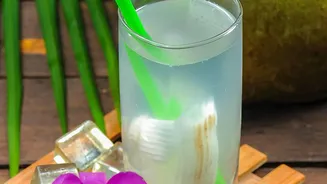







The Summer Cramp Conundrum
Exercising in the heat and humidity of an Indian summer means you sweat—a lot. While sweating is your body's natural cooling system, it comes at a cost. With every drop of sweat, you lose not just water but also vital minerals called electrolytes. The
two main electrolytes at play in muscle function are sodium and potassium. An imbalance, particularly the significant loss of sodium through sweat, is a leading theory behind why those painful, involuntary muscle cramps strike mid-workout. When your electrolyte levels dip too low, the communication between your nerves and muscles can falter, leading to those sudden, sharp spasms in your calves, hamstrings, or feet.
Coconut Water's Natural Power
Tender coconut water, a beloved refresher across India, is often hailed as nature's sports drink. It is naturally packed with electrolytes, making it an excellent choice for rehydration. Its standout feature is its high potassium content. A single cup can contain more potassium than a banana, a mineral that is essential for helping muscles relax and for proper nerve signaling. However, while it excels in potassium, coconut water is naturally low in sodium—the primary electrolyte you lose in sweat. This lopsided profile means that on its own, it might not be enough to fend off cramps during a particularly intense or sweaty workout session.
Why You Need to Add Salt
This is where a simple pinch of salt comes in. Salt is sodium chloride, and adding it to your coconut water addresses the drink's main shortcoming for athletic performance. Sodium and potassium work as a pair to regulate fluid balance and muscle function. Sodium helps muscles contract, while potassium helps them relax. When you sweat heavily, you lose far more sodium than potassium. Drinking large amounts of a high-potassium, low-sodium fluid like coconut water can, in some cases, dilute your blood's sodium levels further, which won't solve the cramp issue. By adding a pinch of salt, you create a more complete and balanced electrolyte drink that better replenishes what your body is actually losing.
Creating the Perfect Pre-Workout Drink
Transforming your coconut water into a superior hydration aid is simple. The goal isn't to make the drink taste salty, but to boost its mineral content. For a standard glass (about 250-300 ml) of fresh, unsweetened coconut water, a small pinch of salt—around 1/8 to 1/4 of a teaspoon—is sufficient. You can use regular table salt, but many prefer Himalayan pink salt or sea salt for their trace minerals. Stir it well until the salt dissolves completely. For extra flavour and a Vitamin C boost, you can also add a squeeze of fresh lime juice. This homemade blend is a cost-effective and natural alternative to many commercial sports drinks, which can be high in sugar and artificial ingredients.
When to Drink It for Best Results
Timing is key. For maximum benefit in preventing cramps, it’s best to drink your salted coconut water about 30-60 minutes before you begin your workout. This pre-hydration strategy ensures your body starts its exercise session with optimal fluid and electrolyte levels, creating a buffer against the losses that are about to occur. Sipping it during a particularly long or strenuous workout (over 90 minutes) can also be beneficial, but the pre-workout dose is what sets your muscles up for success. This approach allows you to prevent the electrolyte imbalance from happening in the first place, rather than trying to correct it after cramps have already begun.
Is This Hack for Everyone?
This electrolyte-boosting hack is most useful for individuals who engage in moderate to high-intensity exercise, especially in hot conditions where significant sweating occurs. If you're going for a light walk or doing a short, low-sweat yoga session, plain water or regular coconut water is likely sufficient. However, for runners, cyclists, HIIT enthusiasts, or anyone playing sports outdoors in the summer, this simple trick can be a game-changer. It's important to listen to your body. People with high blood pressure or other medical conditions that require monitoring sodium intake should be mindful and consult a doctor before regularly adding salt to their drinks.