




A Story in Every Piece
Beyond the sparkle, Indian bridal jewellery is steeped in profound cultural and spiritual significance. Historically, it was a form of 'stridhan', wealth belonging solely to the bride, and a symbol of her family's status and heritage. Today, each piece
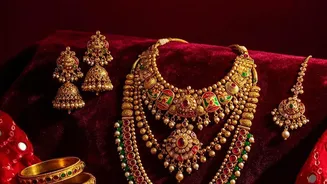
continues to narrate a story. The mangalsutra, a sacred thread tied by the groom, symbolises their unbreakable bond and is believed to offer protection. The tinkling of bangles signifies joy and prosperity, while the maang tikka, resting on the forehead, is said to activate the third-eye chakra for marital bliss. These ornaments are not just accessories but heirlooms, carrying the blessings and memories of generations, making them an indispensable part of the ceremony.
The Royal Glow of Kundan and Polki
Hailing from the royal courts of Rajasthan and Gujarat, Kundan and Polki are bridal favourites that exude a regal aura. The art of Kundan, meaning 'highly refined gold', involves meticulously setting glass or gemstones into a gold foil base. Polki, on the other hand, uses uncut diamonds, cherished for their raw, natural brilliance. This craft, which flourished under Mughal patronage, often features intricate 'meenakari' or enamel work on the reverse, a hidden detail for the wearer's pleasure. Chosen for their connection to royal heritage, these pieces signify the prosperity a bride brings to her new family, making them a timeless choice for North Indian weddings.
Sacred Artistry of Temple Jewellery
Originating in the grand temples of South India, this style of jewellery was first crafted to adorn the idols of gods and goddesses. Over time, it found its way into bridal trousseaus, becoming a symbol of divine blessing and prosperity. Characterised by intricate motifs of deities like Goddess Lakshmi, lotus flowers, peacocks, and elephants, temple jewellery is crafted predominantly in gold with an antique finish. Its appeal lies in its spiritual resonance and ability to connect the present with the past. For a South Indian bride, wearing these bold, sculptural pieces is a way to carry a piece of divinity and cultural pride on her special day.
Vibrant Narratives in Thewa and Meenakari
Meenakari is the Persian art of enamelling, or painting metal surfaces with vibrant colours, a technique brought to India by the Mughals and perfected in Rajasthan. The process involves engraving intricate designs onto gold or silver and then filling the grooves with brilliant colours before firing the piece in a kiln. The result is a wearable piece of art that tells a story through its vivid patterns. Another unique craft from Rajasthan is Thewa, which involves fusing an intricate, handcrafted sheet of 23K gold onto molten glass. The designs, often depicting floral motifs or figures, are exceptionally detailed and have a rich, jewel-toned background. Both Meenakari and Thewa offer a colourful, artistic expression of heritage.
The Modern Bride's Heirloom
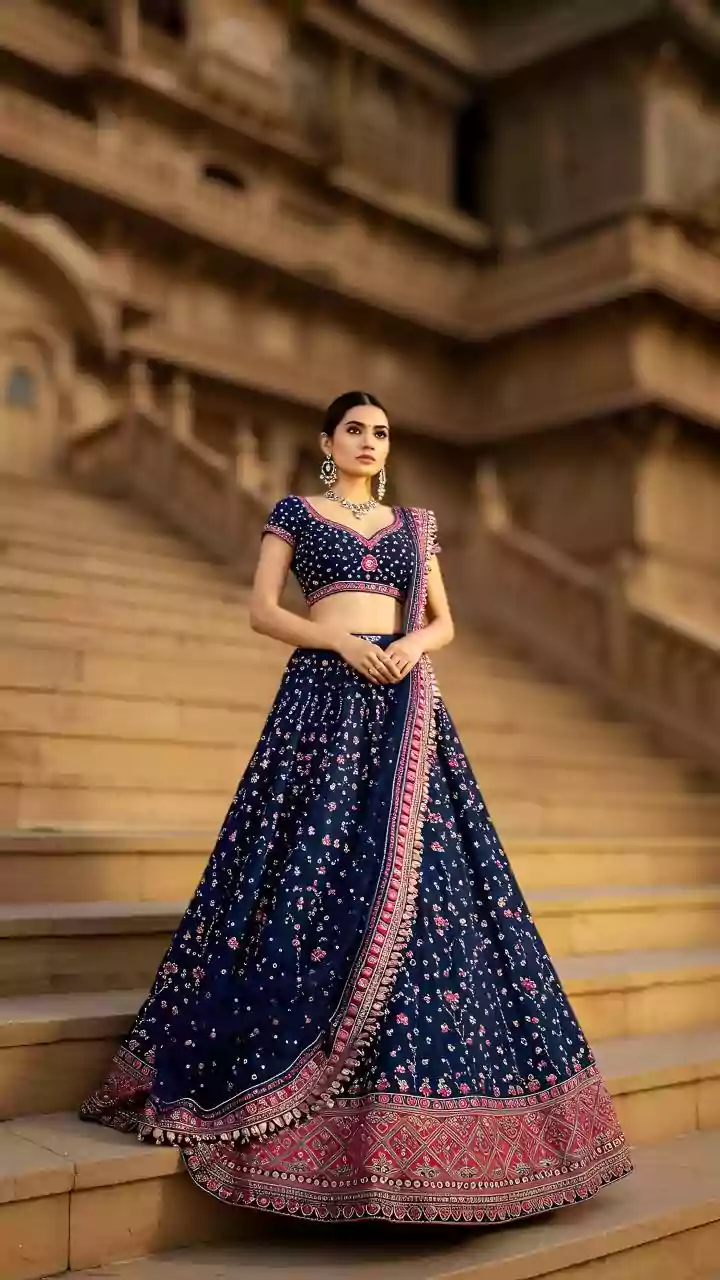
The contemporary Indian bride is redefining how traditional jewellery is worn. While honouring her roots, she is not afraid to express her individuality. The trend is to mix and match, creating a look that is both personal and rooted in heritage. A bride might layer a traditional temple necklace with a modern diamond choker, or pair her grandmother's heirloom Polki set with a minimalist gown. Designers are also creating lighter, more versatile pieces that can be worn beyond the wedding day. This fusion of old and new ensures that regional jewellery is not seen as a costume, but as a cherished, living part of a bride's story, allowing her to honour tradition while making it entirely her own.