






The Rain-Induced Craving
It’s a Pavlovian response deeply encoded in the Indian psyche. The rumble of thunder and the rhythmic drumming of rain don't just signal a change in weather; they trigger an almost primal urge for something hot, savoury, and crunchy. This is the moment
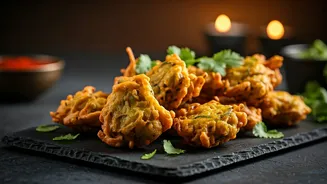
the humble pakora, also known as bhajiya, bhaji, or ponako, takes centre stage. Kitchens across the country spring to life. The sharp aroma of freshly chopped onions, the earthy smell of gram flour (besan), and the sizzle of batter hitting hot oil become the official soundtrack of the Indian monsoon. This isn't just about hunger. It’s about answering a call from the season itself, a deep-seated desire for comfort and warmth to counter the cool, damp air.
A Tradition of Simplicity
Part of the pakora's enduring charm lies in its beautiful simplicity. At its core, it is a fritter made from a simple batter of besan, water, and a handful of spices. What goes into the batter, however, is a canvas for creativity and resourcefulness. Whatever is on hand can be turned into a delicious snack. The most common contenders are thinly sliced onions and potatoes, which crisp up beautifully. But the list is virtually endless: spinach leaves (palak), cauliflower florets (gobi), paneer cubes, long green chillies (mirchi bajji), and even bread slices. This adaptability makes it a democratic snack, accessible to everyone regardless of region or pantry size. It requires no fancy ingredients or complicated techniques, just a desire to create a moment of joy.
The Perfect Partner: Chai
A plate of pakoras is incomplete without its soulmate: a steaming cup of chai. The pairing is non-negotiable; it's a cultural institution. The spicy, milky warmth of masala tea is the perfect counterpoint to the oily, crispy texture of the fritters. The heat of the chai cuts through the richness of the pakora, cleansing the palate and preparing you for the next bite. This combination transforms a simple snack into a complete sensory experience. It’s the taste of a lazy, rainy afternoon, of conversations on the balcony watching the downpour, of a moment of peace carved out of a busy day. To have one without the other feels like a story left half-told.
More Than Just a Snack
To call the pakora just a snack is to miss the point entirely. It’s an experience, a vehicle for togetherness. The act of making and sharing pakoras is a ritual that brings families and friends together. It’s the background score to adda sessions, family gatherings, and impromptu get-togethers. The sound of rain outside and the shared plate of pakoras inside create a cocoon of comfort and intimacy. In a world that is constantly rushing, the monsoon and its accompanying food rituals force a welcome slowdown. It’s an invitation to pause, connect, and indulge in a simple, shared pleasure. This emotional connection is why the pakora isn’t just food; it’s a feeling, a memory in the making.
An Enduring Legacy
While food trends come and go, with new cafes and global cuisines vying for our attention, the pakora’s reign remains unchallenged. Its appeal is timeless because it’s tied not to novelty, but to emotion and tradition. From roadside stalls where vendors deftly drop dollops of batter into giant woks of oil, to modern home kitchens where air fryers offer a healthier twist, the spirit of the pakora endures. It has been passed down through generations, a delicious thread connecting the past to the present. Every family has its own secret spice mix or preferred vegetable, adding a personal touch to a universal tradition.