






More Than a Meal, It's a Performance
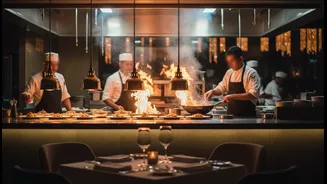
The traditional wall separating the diner from the chef is crumbling, quite literally. In many of Bengaluru's chicest restaurants, the open kitchen has evolved from a mere design feature into the main event. It’s a conscious shift away from the mysterious,
closed-door kitchens of the past toward complete transparency. This isn't just about aesthetics; it's a fundamental change in the dining philosophy. Establishments are designing their spaces to make the culinary process a spectacle, where the sizzle of the pan, the artful plating, and the focused intensity of the chefs are all part of the entertainment. This transformation turns a simple dinner into a multi-sensory event, engaging patrons with the sights, sounds, and smells of their food being created. Restaurants like CUR8 at the Four Seasons and Celeste in Koramangala have embraced this, allowing diners to witness the artistry firsthand.
The Psychology of the Spectator
Why this sudden desire to watch the magic happen? The trend taps into a deep psychological need for trust and connection. Seeing a clean, organised kitchen and skilled chefs at work builds an immediate sense of confidence in the food's quality and hygiene. This transparency eliminates the mystery, assuring diners that they are receiving a high-quality meal. Furthermore, in an age dominated by food reality shows and celebrity chefs, diners have become more educated and curious about the culinary arts. They arrive with a greater appreciation for technique and craftsmanship. The open kitchen satisfies this curiosity, offering an experience that feels both exclusive and educational. It humanises the process, turning anonymous chefs into recognised artisans.
From Passive Diner to Active Participant
The headline's notion of 'capitalising' on these views is where the trend truly comes alive. Bengaluru diners aren't just watching passively; they are actively engaging. The open kitchen creates a new, fluid dialogue between the customer and the creator. Patrons seated at a chef's table or a counter, like at the sushi bar at Yataii or the exclusive 14-seater Lipi, can interact directly with the chefs. They ask about ingredients, discuss techniques, and sometimes even request slight personalisations. This interaction makes diners feel less like consumers and more like collaborators in their own culinary journey. Restaurants like Kuuraku further this with an all-encompassing interactive atmosphere where the entire staff, including the kitchen team, welcomes guests and engages them in games.
A Stage for Chefs and a Classroom for Diners
From the other side of the counter, the open kitchen presents both a challenge and an opportunity for culinary teams. The pressure of being constantly 'on display' is immense, requiring a new level of professionalism and composure. Every action is scrutinised, from chopping vegetables to the final plating. However, it also provides a platform for chefs to showcase their passion and skill directly. They receive immediate, unfiltered feedback from guests, fostering a connection that's impossible in a traditional setting. This dynamic elevates the role of a chef from a back-of-house technician to a front-and-centre performer and educator. Mentored by Michelin-starred Chef Rohit Ghai, Zarqash at The Ritz-Carlton is one such venue that prominently features an interactive live kitchen, putting the chefs' talents in the spotlight.
The Future of Dining is Immersive
The open kitchen is part of a larger movement in Bengaluru towards fully immersive dining experiences. Concepts are expanding beyond just watching the food being made. Le Petit Chef at the Hilton uses 3D projection to bring an animated chef to the tabletop, while paChaak builds entire narrative experiences around food, complete with storytelling and mystery-solving. These innovations suggest that transparency is just the beginning. The modern high-end diner in Bengaluru seeks a story, a performance, and a genuine connection. The open kitchen is a powerful tool in delivering this, proving that how a meal is made can be just as compelling as how it tastes.