



The End of the Checklist Vacation
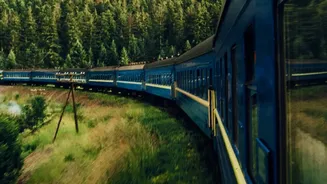
For decades, the mark of a successful holiday was a camera roll filled with famous landmarks and a schedule packed from dawn to dusk. It was about conquering a destination, seeing it all, and ticking off a bucket list. This approach, however, often mirrored
the high-stress, always-on culture it was meant to provide an escape from. The result? Travellers would often return to their daily lives feeling like they needed a holiday from their holiday. Today, there's a growing realisation that true relaxation isn't found in a crowded queue or a frantic sightseeing tour. This fatigue with fast-paced travel, coupled with a deeper awareness of mental well-being, is driving a significant shift in preferences. People are no longer just looking to get away; they are looking to recharge and reconnect with themselves.
Why Nature Is the New Luxury
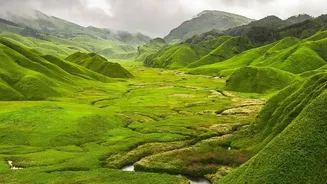
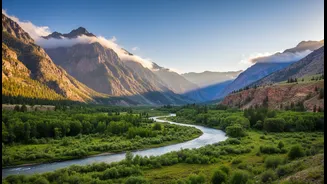
The demand for nature-based tourism is surging across India. A recent report noted that 91% of Indian travellers want to visit places with beautiful natural scenery, while 87% are actively seeking trips that help them mentally unwind. This turn towards nature is a response to the digital overload and burnout of modern urban life. Choosing a forest trail over a bustling city street is no longer just a preference; it's a wellness strategy. The hospitality industry is responding with a concept sometimes called “hushpitality”—travel focused on tranquility, nature, and a slower pace. Destinations in the Himalayan foothills like Rishikesh and Dharamshala, along with serene spots in Kerala, Karnataka, and Uttarakhand, are seeing a spike in interest from travellers who want to disconnect from their screens and reconnect with the natural world.
More Than Just a Walk in the Woods
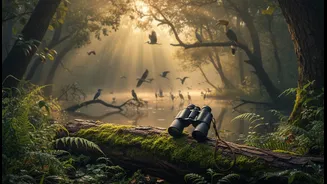
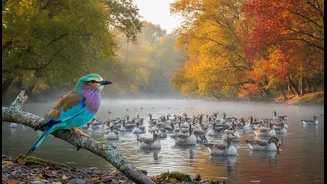
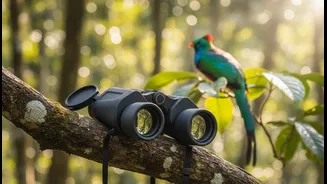
So, what exactly is a forest retreat? It's far more than just a hotel located near some trees. These are immersive experiences designed for holistic rejuvenation. The core of many retreats is the Japanese practice of 'Shinrin-yoku' or "forest bathing," which involves simply being in nature and connecting with it through all five senses. It’s not about exercise or hiking, but about mindful presence. Scientific studies have shown that forest bathing can reduce stress hormones like cortisol, lower blood pressure, and even boost immune function. Activities often include guided meditation, yoga sessions in natural clearings, clean eating with locally sourced food, and workshops on sustainable living. The ultimate goal is a 'digital detox', where guests voluntarily surrender their devices to escape the constant stream of notifications and find mental clarity.
Finding Your Sanctuary in India
India's diverse geography makes it uniquely suited for this trend. The options are vast, catering to different tastes and budgets. You can find luxury eco-resorts nestled in the Western Ghats, offering ayurvedic treatments and farm-to-fork dining experiences. In the north, the Himalayan states of Uttarakhand and Himachal Pradesh are dotted with yoga ashrams and wellness centres that promise spiritual and mental rejuvenation. For those seeking true solitude, remote farm stays in places like Coorg or trekking routes in Madhya Pradesh's Satpura range offer an escape from connectivity itself. The rise of 'slow travel' means people are spending more time in one place, allowing for deeper engagement with the local environment and culture, moving beyond superficial sightseeing to more meaningful experiences.
A Fundamental Shift in Travel
While the post-pandemic era certainly accelerated this trend, the drivers behind it suggest it's not a fleeting fad. The underlying reasons—urban burnout, digital fatigue, and a growing prioritisation of mental health—are long-term societal shifts. Travellers are increasingly looking for transformation, not just transportation. They want to return home with more than just souvenirs; they want a renewed sense of peace and perspective. This evolution marks a change in the very definition of a 'good holiday', moving from a measure of sights seen to a measure of well-being restored. The focus has shifted from the external world to the internal landscape, making quiet, green spaces the most coveted destinations of all.