






The Power of the Pattern
The Mediterranean diet isn't a strict set of rules but rather a flexible pattern of eating. It's built on a foundation of plant-based foods like vegetables, fruits, legumes, and whole grains. Healthy fats, primarily from olive oil, are central, while
fish, poultry, and dairy are enjoyed in moderation. The focus is on whole, minimally processed ingredients that are packed with nutrients. This approach has been linked to numerous health benefits, including a lower risk of heart disease and type 2 diabetes. The beauty of this pattern lies in its adaptability, making it possible to achieve its benefits without leaving your culinary roots behind.
The Indian Kitchen's Advantage
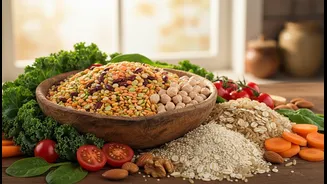
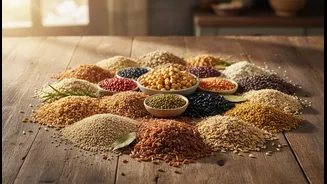
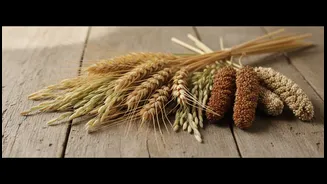
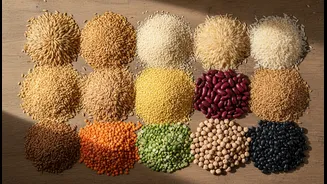
A traditional Indian thali is already well-aligned with Mediterranean principles. The core components are strikingly similar: a heavy emphasis on plant-based foods, the use of fresh ingredients, and flavourful spices. Dals and legumes, which are staples in Indian households, are nutritional powerhouses of plant-based protein and fibre. Sabzis, or vegetable preparations, put fresh produce at the center of the meal. Whole grains like whole wheat roti, bajra, and jowar are fundamentally part of the diet. In essence, the Indian diet doesn't need a complete overhaul; it just needs a few thoughtful adjustments to align even more closely with the celebrated Mediterranean style.
Building Your Plate, Indian Style
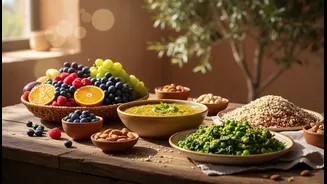
To create a Mediterranean-style Indian meal, start by reimagining your plate's proportions. Make vegetables the star. Aim to fill half your plate with a colourful sabzi, using less oil and more spices for flavour. Let dal or another legume preparation, like chana masala, take up another quarter. These are excellent sources of protein and fibre that keep you full and stabilise blood sugar. The final quarter should be your whole grain. Opt for millets like ragi or jowar, brown rice, or a whole wheat chapati instead of refined grains like white rice or naan. Fresh fruit can be enjoyed as a dessert, satisfying your sweet tooth naturally. This simple framework ensures a balanced, nutrient-dense meal every time.
Making Smart Fat Swaps
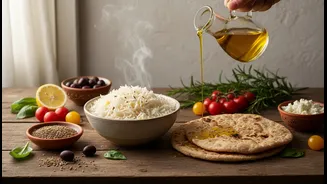
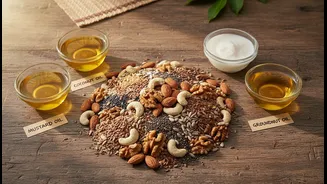
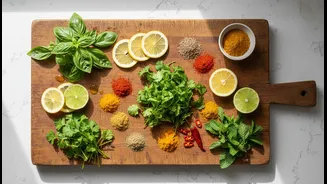
One of the key shifts in adopting a Mediterranean pattern is the choice of fats. The diet prioritizes healthy monounsaturated and unsaturated fats. While traditional Indian cooking sometimes relies on ghee or other oils that are high in saturated fat, simple swaps can make a big difference. Consider using cold-pressed mustard oil or peanut oil for cooking, as their fatty acid profiles are beneficial. Extra virgin olive oil, the hallmark of Mediterranean cooking, can be seamlessly integrated. Use it for low-heat applications, as a finishing drizzle over dal or sabzi, or in salad dressings and chutneys. Refined olive oil, which has a higher smoke point, can be used for sautéing and preparing tadkas. Embracing nuts and seeds as snacks or garnishes also boosts your intake of healthy fats.
It's More Than Just Food
Perhaps the most important principle of the Mediterranean lifestyle has little to do with specific ingredients and everything to do with how you eat. Meals are often shared with family and friends, turning eating into a moment of connection and joy. This social aspect is deeply ingrained in Indian culture as well. The diet also emphasizes regular physical activity as part of daily life. By focusing on mindful eating—savouring your food, eating without distractions, and respecting your body's hunger cues—you can fully embrace the holistic benefits of this time-tested lifestyle. It’s about nourishing your body and soul, a principle that both culinary traditions share.