






Seal Cracks in Walls and Windows
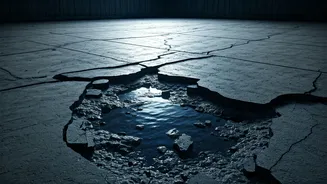
Even the smallest crack in your exterior walls or around window frames can become a major entry point for rainwater. Over time, this seepage leads to ugly damp patches, peeling paint, and the growth of mould. Before the first showers arrive, do a thorough
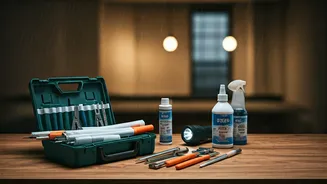
inspection of your home’s exterior and interior walls. Look for hairline fractures, especially near corners and junctions. For small cracks, a waterproof sealant or a simple mixture of cement and sand can work wonders. Applying a fresh coat of waterproof paint on exterior walls provides an excellent additional layer of defence against persistent rain.
Clear Your Gutters and Drains
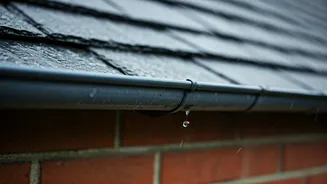
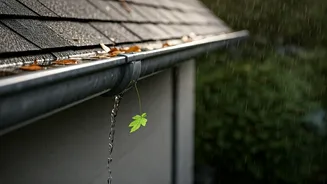
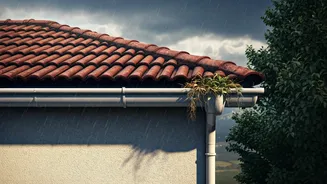
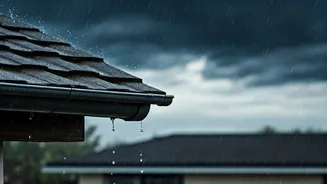
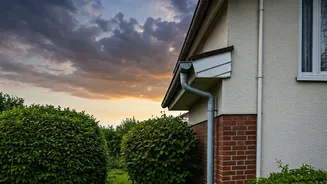
This is one of the most critical and most-often ignored pre-monsoon tasks. Gutters, rooftop drains, and balcony outlets are designed to channel rainwater away from your home's foundation. Throughout the dry season, they accumulate leaves, dirt, and other debris, creating blockages. When the heavy rains come, clogged drains cause water to overflow, potentially seeping into your roof and walls or flooding your balcony and terrace. A simple clean-up using a trowel and a stiff brush can prevent thousands of rupees worth of structural damage. Ensure the water flows freely and is directed away from the house.
Protect Your Wooden Doors and Furniture
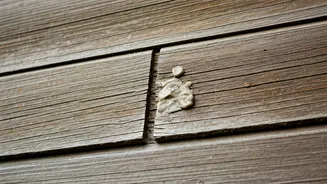
Humidity is the sworn enemy of wooden furniture and fixtures. During the monsoon, the high moisture content in the air causes wood to absorb water and swell. This is why doors and windows often get jammed and become difficult to shut. To prevent this, consider applying a fresh coat of varnish or lacquer to wooden surfaces, which acts as a protective sealant. For the insides of cupboards and wardrobes, place moisture-absorbent materials like silica gel pouches, camphor balls, or even a small bowl of uncooked rice or salt. This helps prevent that musty smell and protects your clothes and belongings from fungus.
Ward Off Dampness and Mould
A damp home isn't just unpleasant; it's a health hazard. Mould and mildew thrive in damp, poorly-lit environments and can trigger allergies and respiratory issues. Your best defence is good ventilation. On dry, sunny days, open windows and doors to let fresh air circulate and dry out any residual moisture. For chronically damp areas, especially bathrooms and kitchens, running an exhaust fan is essential. If you live in a particularly humid area, investing in a small electric dehumidifier can make a massive difference in maintaining a healthy and comfortable indoor environment.
Inspect Electrical Wiring and Fixtures
Water and electricity are a deadly combination. Before the monsoon, conduct a visual inspection of all electrical fittings, especially those on exterior walls or balconies. Check for any frayed or exposed wires and ensure all outdoor sockets are covered with protective, waterproof casings. Inside the house, make sure there are no electrical outlets or wires near windows or other areas prone to leaks. Test your Earth Leakage Circuit Breaker (ELCB) or Residual Current Circuit Breaker (RCCB) to ensure it’s functioning correctly—it’s designed to trip and cut off the power supply in case of a leakage, preventing electric shocks. If you spot any issues, do not attempt a DIY fix; call a qualified electrician immediately.
Keep Unwanted Pests Out
The rainy season often forces pests like cockroaches, ants, and other creepy-crawlies to seek shelter indoors. A proactive approach is far more effective than dealing with an infestation later. Start by sealing all potential entry points. Use fillers to block any holes or gaps around pipes, vents, and in the foundation. Ensure your window meshes are intact and don't have any tears. Keep your kitchen and dining areas scrupulously clean, storing food in airtight containers and disposing of garbage regularly. A clean, well-sealed home is your best deterrent against these unwelcome monsoon guests.