

The All-Electric Dream Hits A Speed Bump
Just a few years ago, major automakers were in an all-out race to commit to a fully electric future, phasing out the internal combustion engine (ICE). Companies like Ford, General Motors, and Mercedes-Benz announced aggressive timelines and multi-billion
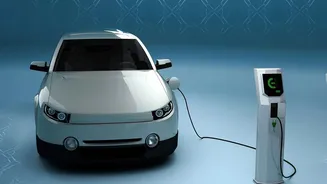
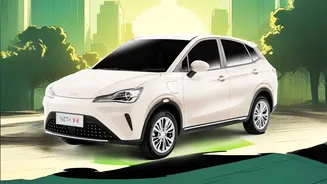
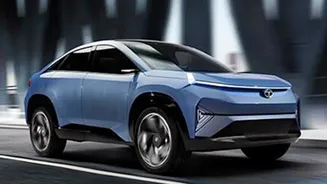
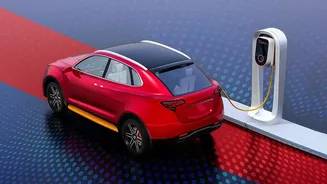
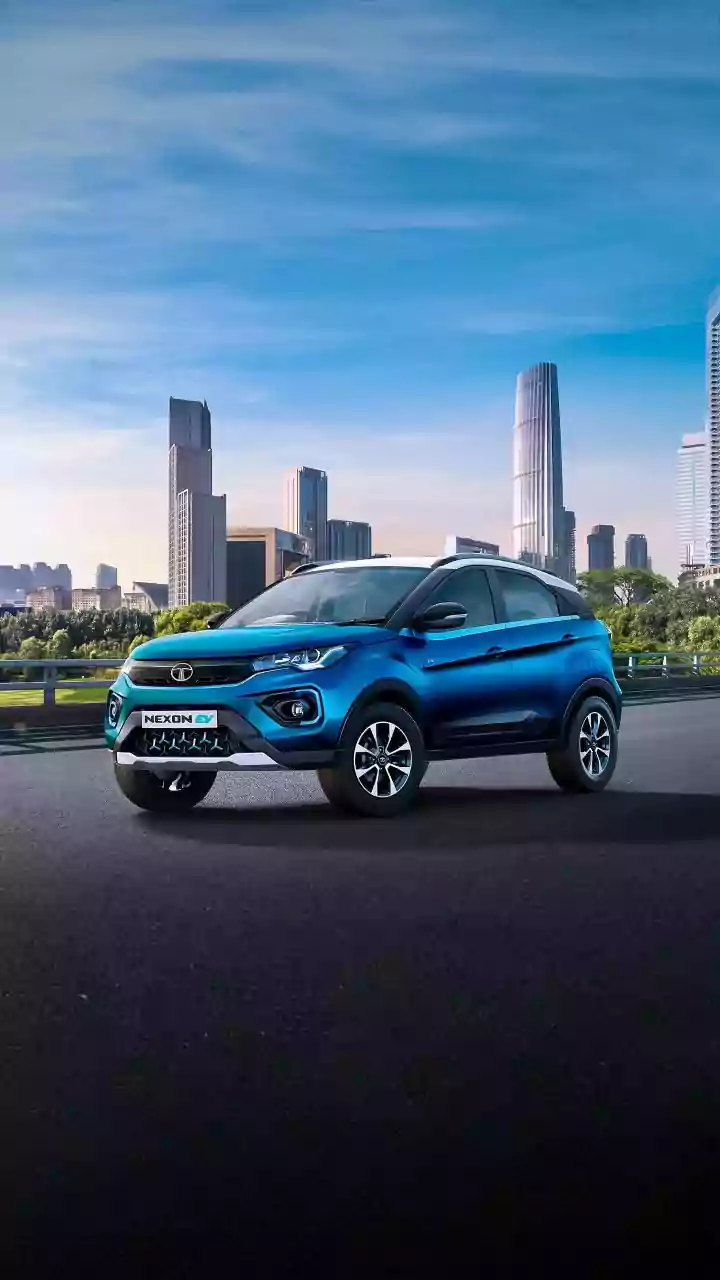
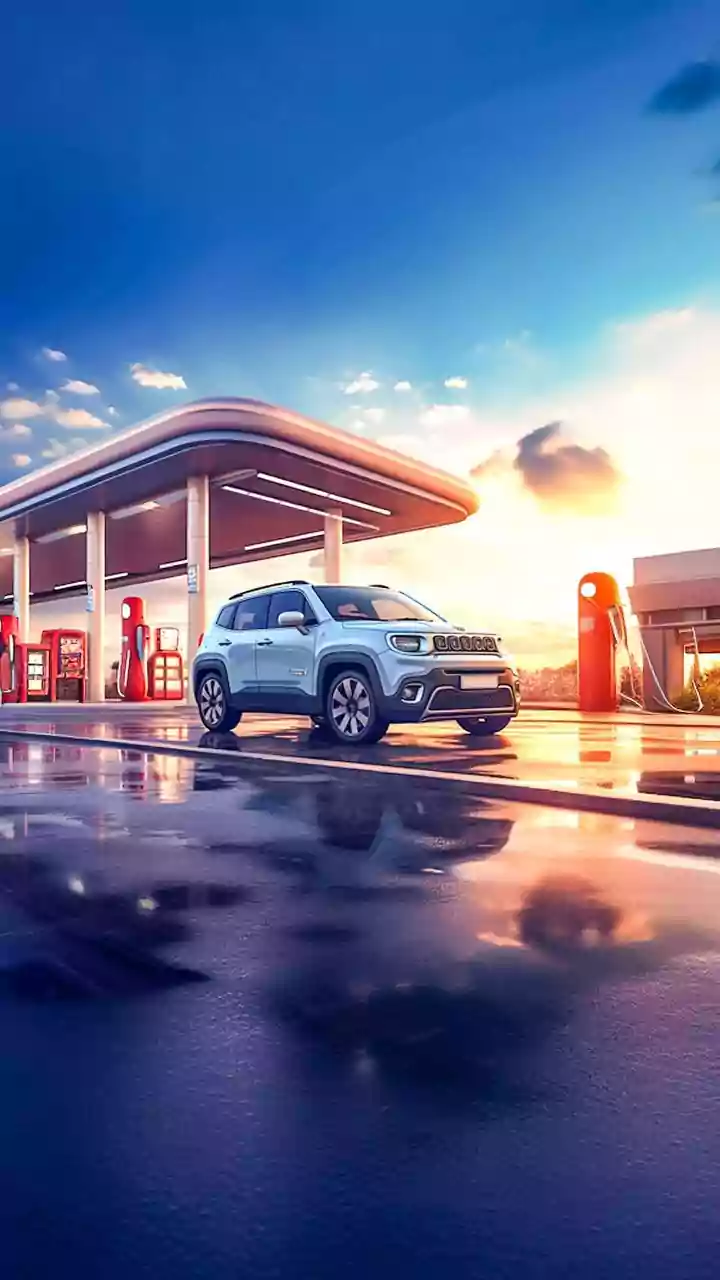
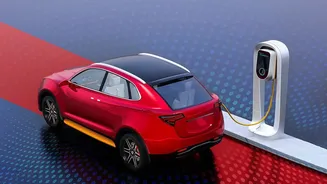
dollar investments in Battery Electric Vehicles (BEVs). However, the initial hyper-growth is now facing a market recalibration. Consumer demand for pure EVs has softened, failing to meet lofty forecasts. High upfront costs, patchy public charging infrastructure, and persistent range anxiety remain significant barriers for mainstream buyers. This has led to a slowdown in EV sales growth, with some markets even seeing contractions. In response, automakers are delaying EV models, scaling back battery production plans, and absorbing significant financial writedowns on their EV-only bets.
New Rules Reshape The Playing Field
The year 2027 is a critical marker largely due to incoming emissions regulations, most notably the Euro 7 standards in Europe, which will be implemented for new vehicles starting in late 2026 and expanding in 2027. While earlier drafts proposed much stricter tailpipe emission limits, the final version maintains Euro 6 levels but introduces crucial new requirements. For the first time, regulations will cover particulate matter from brakes and tyres, which applies to all vehicles, including EVs. Furthermore, the rules mandate that vehicles meet emissions standards for a longer lifespan and introduce on-board monitoring to track performance in the real world. These fuel- and technology-neutral standards mean that any powertrain—be it petrol, diesel, hybrid, or electric—must meet the same tough criteria, encouraging a diversity of clean technology solutions rather than favouring just one.
The Hybrid Makes A Resounding Comeback
Once seen as a temporary bridge technology, the hybrid has emerged as the unexpected star of the current automotive market. As EV demand has cooled, sales of both traditional hybrids (HEVs) and plug-in hybrids (PHEVs) have surged. Automakers that maintained a multi-powertrain strategy, like Toyota, have found their approach vindicated. Others are now scrambling to catch up, with companies like GM and Ford reintroducing and expanding their hybrid offerings. For many consumers, hybrids offer a compelling middle ground: they deliver significant fuel efficiency gains without the lifestyle changes and anxieties associated with pure EVs. This has prompted a major pivot, with manufacturers redirecting capital from stalled EV projects toward expanding their profitable and popular hybrid lineups.
Beyond Batteries: Hydrogen And E-Fuels
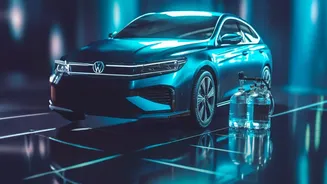
The push for powertrain diversity extends beyond just hybrids. Carmakers are also keeping other long-term options in play. Hydrogen fuel cell electric vehicles (FCEVs) remain a key part of the strategy for companies like Toyota and BMW. These vehicles offer zero-emission driving with the benefit of fast refuelling, making them particularly promising for heavy-duty trucking and sectors where long downtimes for charging are impractical. While mass adoption is still a distant prospect, ongoing partnerships and technological advancements are keeping hydrogen relevant in the decarbonization conversation. Similarly, some brands like Porsche have invested in the development of synthetic fuels, or e-fuels, which could allow internal combustion engines to run with a greatly reduced carbon footprint, offering another potential pathway in a technologically open future.
What This Means For Car Buyers
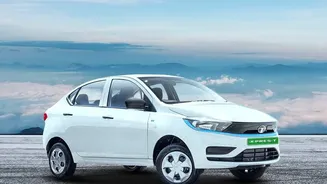
For consumers, this strategic shift away from an EV-or-nothing future is good news. It signals a future with more choice. Instead of being pushed toward a single technology, buyers in the coming years will likely find a broader menu of options tailored to different needs and budgets. The market from 2027 onward will not be a monolith. It will be a mix of increasingly efficient petrol cars, a wide variety of hybrids offering a balance of performance and economy, a growing selection of more affordable and practical EVs, and potentially other niche technologies. This flexibility allows the industry to reduce emissions across the board while giving consumers the time to adapt as charging infrastructure improves and battery technology matures. The road ahead is not just electric; it's a multi-lane highway of innovation.