






What Is ‘Clean Energy’ Anyway?
We see the term ‘clean energy’ everywhere, but what does it mean when it comes to food? In simple terms, it’s about sustained power for your body, not a quick, fleeting rush. Processed snacks, often high in refined sugars and simple carbohydrates, give
you a rapid spike in blood sugar, followed by an inevitable crash that leaves you feeling more tired than before. Clean energy comes from whole foods packed with complex carbohydrates, fibre, and protein. These nutrients are digested slowly, providing a steady release of glucose into your bloodstream. The result? Consistent energy levels that keep you focused and productive for hours, without the crash.
The Underrated Power of Sprouts
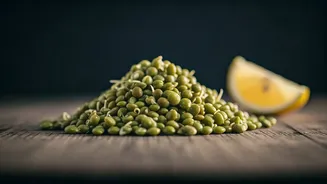
Sprouts are one of nature’s most efficient nutritional delivery systems. When a legume or grain sprouts, it comes to life, unlocking a treasure trove of nutrients. The process of sprouting increases the concentration of vitamins, particularly Vitamin C and B-complex vitamins. It also breaks down anti-nutrients like phytic acid, which makes minerals such as iron, zinc, and magnesium more available for your body to absorb. Moong beans (mung beans), for example, are a good source of protein and fibre. Once sprouted, they become even easier to digest and their protein quality improves. They are low on the glycemic index, making them a perfect food for sustained energy and a great choice for managing blood sugar levels. They are, in essence, tiny, living powerhouses of nutrition.
Your Simple Guide to Sprouting at Home
Making your own sprouts is incredibly easy, requires no special equipment, and connects you to your food in a new way. All you need are the beans and a little patience. 1. **Soak:** Take about half a cup of whole moong beans, rinse them thoroughly, and soak them in a generous amount of water for 8-10 hours, or overnight. 2. **Drain:** The next morning, drain all the water completely. Rinse the soaked beans one more time under fresh water. 3. **Sprout:** Transfer the drained beans to a sieve and cover it with a plate, or tie them loosely in a clean cotton or muslin cloth. Place this in a warm, dark corner of your kitchen, like inside a cupboard. 4. **Wait:** Let them sit for 24 to 36 hours. You might want to rinse them once every 12 hours to keep them moist and prevent them from spoiling, especially in warmer climates. Soon, you’ll see tiny white tails emerging from the beans. Your sprouts are ready!
Assemble Your Perfect Sprouted Chaat
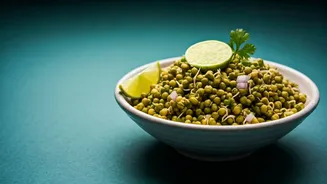
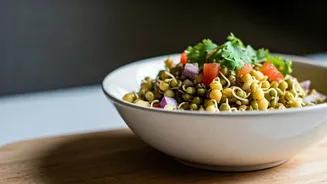
Now for the fun part. The beauty of chaat is its flexibility. This recipe is a classic, simple base, but feel free to experiment and make it your own. **Ingredients:** - 1.5 to 2 cups of sprouted moong beans - 1 medium onion, finely chopped - 1 medium tomato, finely chopped - 1 green chilli, finely chopped (optional) - A handful of fresh coriander, chopped - 1/2 teaspoon chaat masala - 1/4 teaspoon red chilli powder (adjust to taste) - Juice of half a lemon - Salt to taste (black salt or kala namak works wonderfully here) **Method:** In a large bowl, combine the sprouted moong, chopped onion, tomato, green chilli, and coriander. Sprinkle the chaat masala, red chilli powder, and salt over the top. Squeeze the lemon juice all over. Give it a good toss to mix everything well. Taste and adjust the seasoning if needed. Your vibrant, healthy chaat is ready to be served immediately.
Making It a Habit
To truly pack clean energy into your routine, make sprouted chaat a regular feature. Start a new batch of sprouts every two days to have a constant supply. Keep a container of the plain sprouts in your fridge. In the morning, it can be a crunchy addition to poha or upma. For lunch, it can form the base of a hearty salad with added paneer or chickpeas. And for that evening snack, a quick chaat is just minutes away. By having the core ingredient ready, you are far more likely to choose this healthy option over a less nutritious one.