


Beyond the Traditional Tiffin
For generations, the stainless-steel tiffin has been a symbol of a home-cooked meal in India. Its stacked compartments were designed for practicality, carrying staples like roti, sabzi, dal, and rice from home to school or office. While the tiffin is
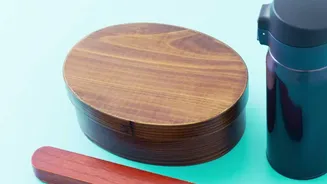
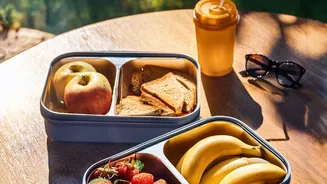
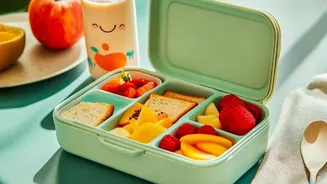
a beloved and functional tradition, its vertical design often meant flavours could mingle, and by lunchtime, the meal might not look as fresh as when it was packed. Enter the bento-inspired lunchbox, a modern alternative that is gaining significant popularity among Indian parents. Unlike the stacked tiffin, a bento box is typically a single, flat container with multiple compartments, a concept that originated in Japan. This design keeps every part of the meal separate, neat, and visually inviting until it’s time to eat.
The End of Soggy Roti and Mixed-Up Meals
One of the biggest advantages driving the bento trend is its ability to solve the age-old problem of soggy lunches. The built-in dividers ensure that a portion of dry sabzi doesn't mix with fruit, and a chapati doesn't absorb moisture from a salad. For many children, especially picky eaters, foods that touch can be a major turn-off. Bento boxes eliminate this issue entirely. Each compartment acts as a clean slate, preserving the distinct texture and taste of every item. This simple separation makes lunchtime more enjoyable for students, who get to open a box that looks organized and appetizing, rather than a jumble of mixed foods.
A Colourful Push Towards Healthier Habits
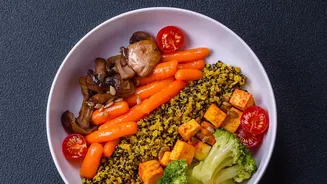
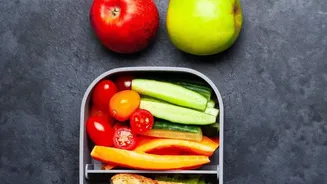
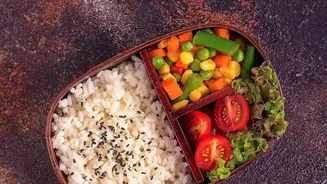
The compartmentalized nature of bento boxes does more than just keep food tidy; it actively encourages healthier, more balanced meals. The small sections prompt parents to think in terms of variety and portion control. Instead of one large main dish, a bento box can be filled with a little bit of everything: a carbohydrate like a small portion of vegetable pulao, a protein such as paneer cubes or chana masala, some sliced vegetables like cucumber and carrots, a serving of fruit, and perhaps a small, healthy snack. This visual variety, often called “eating the rainbow,” makes the meal more attractive to children and naturally introduces a wider range of nutrients into their diet. For parents concerned about nutrition, the bento format provides a simple framework for building a complete meal.
Perfectly Suited for Indian Cuisine
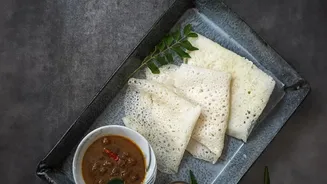
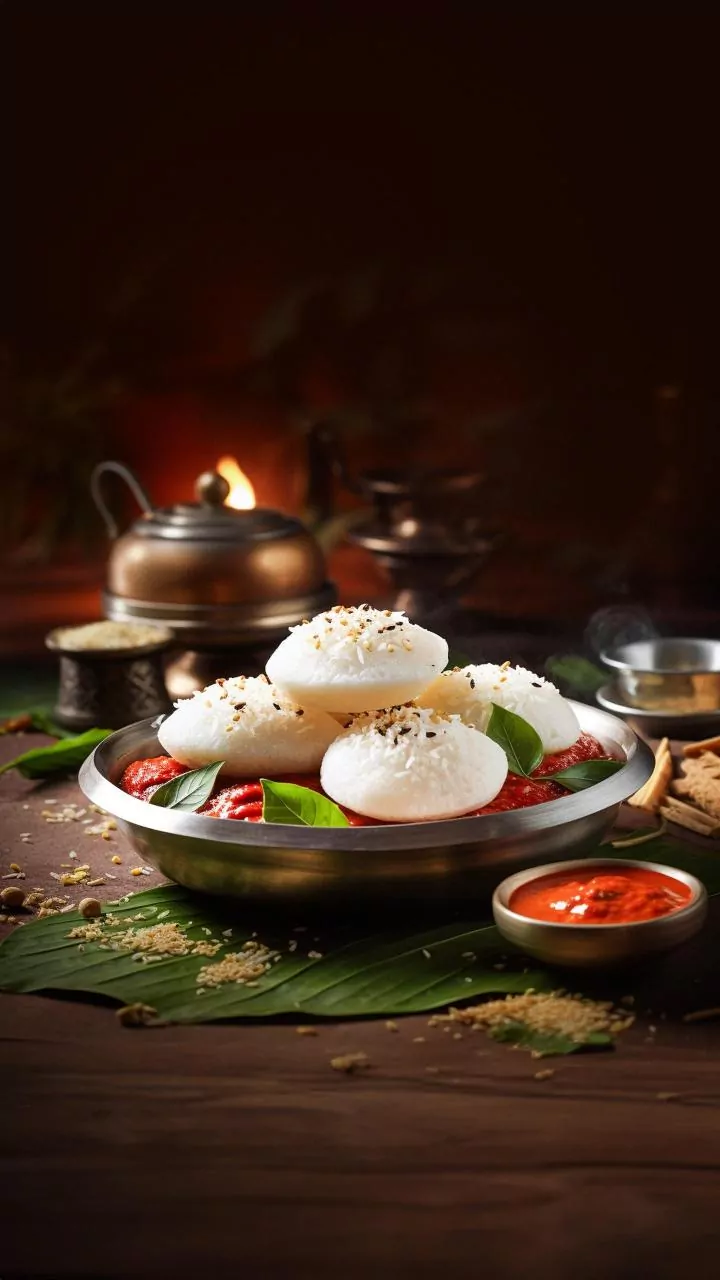
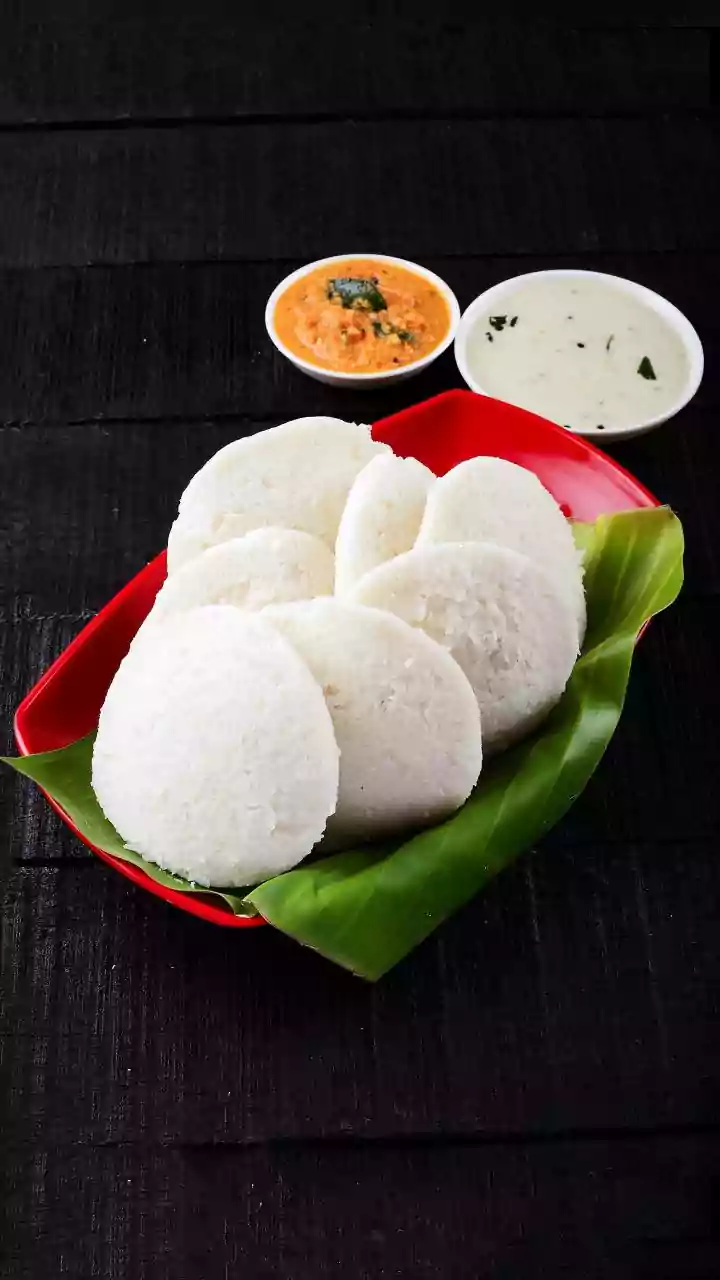
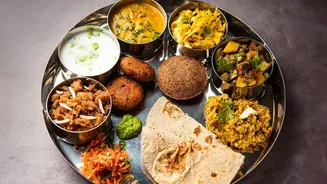
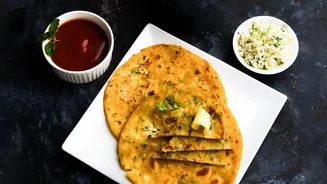
While the bento box has Japanese origins, it has proven remarkably adaptable to the diversity of Indian food. The format works beautifully for creating mini-thali style meals. A typical Indian bento might feature ajwain paratha triangles in one compartment, paneer bhurji in another, carrot sticks and cucumber in a third, and some grapes or a sweet treat in the last. Ideas are endless: mini idlis with a side of chutney, chana masala wraps cut into bite-sized rolls, or jeera rice paired with a dry vegetable preparation and a simple salad. Even leftovers can be creatively repurposed. This flexibility allows parents to pack familiar, comforting Indian flavours in a modern, exciting format.
Making Lunchtime Fun and Engaging
For many children, the visual appeal of a meal is half the battle. A colourful, neatly arranged bento box can transform lunchtime from a chore into a delightful experience. The excitement of discovering what’s in each little compartment can encourage even reluctant eaters to try new things. Some parents even use cookie cutters to create fun shapes out of sandwiches or fruits, further enhancing the meal's appeal. This shift in presentation has a noticeable effect; parents report that since switching to bento-style packing, their children have become more enthusiastic about their lunches and more willing to eat a variety of foods. In a world of fleeting attention spans, a lunch that doubles as a small, edible treasure chest is a clear winner.