








A Monsoon in Deficit
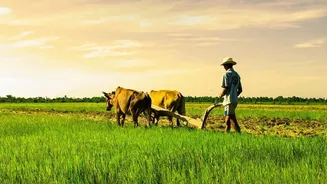
The Southwest monsoon, which runs from June to September, is the lifeblood of Indian agriculture, providing about 75% of the country's annual rainfall. This year, however, it concluded with a rainfall deficit of about 12-13% below the long-term average,
making it the driest since 2015. This shortfall, attributed to a strong El Niño weather pattern, was not spread evenly. While some areas received normal rain, key agricultural states, particularly in the south and west like Karnataka and Maharashtra, faced significant deficits, impacting water reservoir levels and soil moisture. This has immediate consequences for the Kharif (monsoon) crops sown during this period.
The Impact on Kharif Crops
Less rain directly translates to reduced sowing area for crucial Kharif crops. According to data from the Agriculture Ministry, the total sown area for these crops has seen a decline compared to the previous year. The most significant impacts are visible in crops heavily dependent on rain. Rice, the main staple, has seen a drop in acreage of over 3%. Other critical crops like maize, some oilseeds, and sugarcane have also been affected by the patchy rainfall. While the area for pulses has seen a slight increase nationally, this masks regional declines in major growing states. Lower sowing and water stress raise the risk of reduced production, which is the first step towards a potential price rise.
Which Groceries Will Be Pricier?
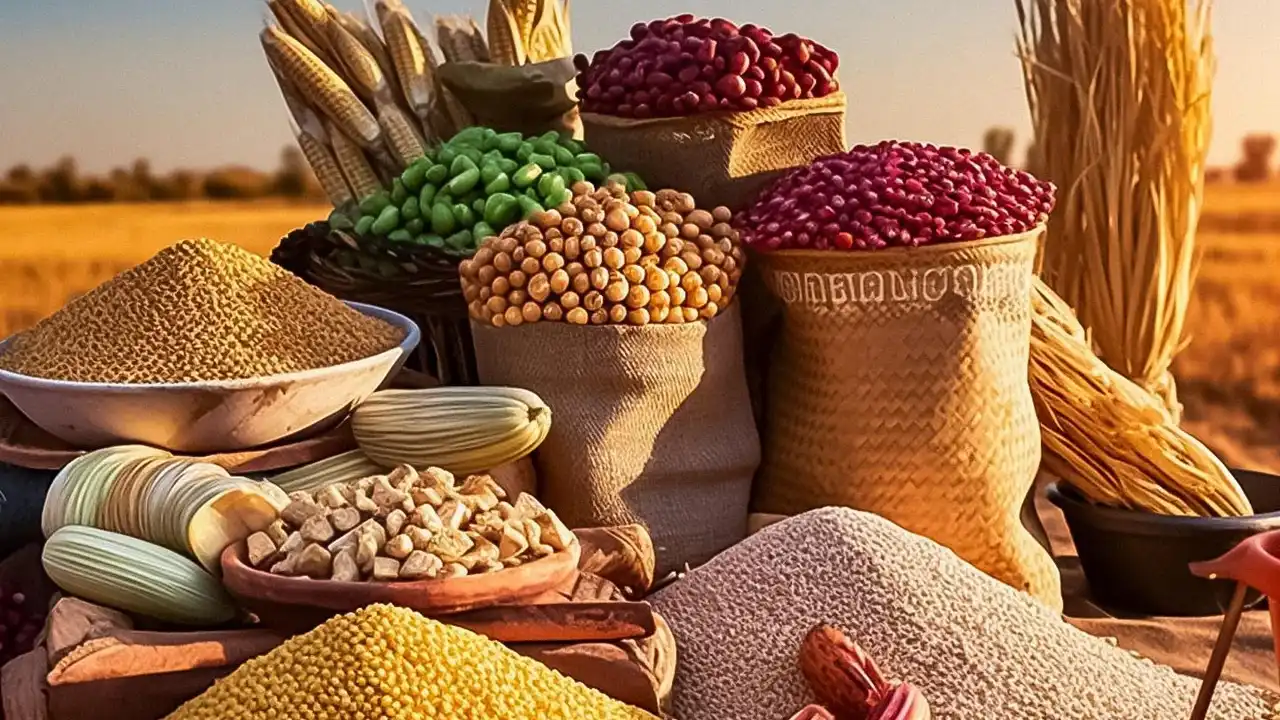
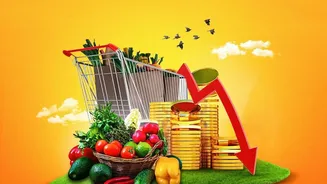
The connection from field to your kitchen is most direct with price-sensitive items. Vegetables, especially onions, are often the first to react. Recent data shows onion prices have already climbed significantly compared to last year. Pulses (dal) are another category to watch. Despite a slight overall increase in sowing area, a weak monsoon can reduce yields, and prices for essentials like tur dal are sensitive to any supply concerns. Edible oils are also under pressure. Since India imports a significant portion of its edible oils, any drop in domestic oilseed production from crops like soybean and groundnut adds to the reliance on global markets, where prices have also been firm. Finally, staples like rice and sugar are at risk. The government has noted the production of both could be threatened, leading to proactive measures to control prices.
The Ripple Effect Beyond Your Plate
The impact of a weak monsoon isn't confined to just food prices. It has a broader effect on the rural economy, which supports millions of households. Lower crop yields mean reduced income for farmers, which can dampen rural demand for everything from two-wheelers to consumer goods during the crucial festive season. Furthermore, deficient rainfall affects reservoir levels, which are critical for hydropower generation and for irrigating the upcoming Rabi (winter) crops like wheat. Depleted reservoirs could pose a challenge for winter sowing, potentially extending the impact on food supplies into next year.
Government Action and What to Expect
The government is not sitting idle. To curb rising prices and ensure availability, it has already taken several steps. These include slashing import taxes on edible oils and allowing duty-free purchases of raw sugar to bolster domestic supply. For staples like rice and wheat, the government maintains large buffer stocks which can be released into the open market to cool down prices. Economists expect food inflation, which stood at 5.95% in August, to remain a concern in the coming months. The outlook depends on several factors, including the health of late-arriving crops, the management of government stocks, and the performance of the upcoming winter crop season.