



What Exactly Is Creatine?
Creatine is a natural substance made from amino acids, the building blocks of protein. Your liver, kidneys, and pancreas produce it, and about 95% of it is stored in your muscles. You also get creatine from your diet, particularly from red meat and seafood.
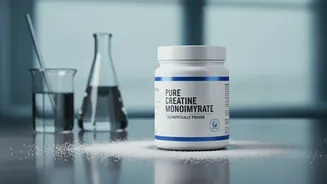
In your body, its main job is to help create a constant supply of energy for your cells, especially during short bursts of intense activity. The most common and well-researched form found in supplements is creatine monohydrate.
The Engine for Your Muscles
The primary reason athletes have used creatine for decades is its proven effect on muscle performance. Your cells run on a high-energy molecule called adenosine triphosphate (ATP). When you perform intense, short-duration exercises like sprinting or lifting weights, your muscles burn through their ATP stores in seconds. This is where creatine comes in. Stored in your muscles as phosphocreatine, it acts as a rapid energy recycler. It donates a phosphate molecule to regenerate spent ATP, allowing your muscles to sustain peak power for longer. This ability to do more work during training sessions is what leads to greater gains in strength and muscle mass over time.
A Boost for Your Brain
The benefits of creatine aren't limited to the body. Your brain is an incredibly energy-hungry organ, also relying on ATP to function. Just as it does in muscle, creatine can help replenish energy in brain cells. Research is increasingly showing that this can have tangible cognitive benefits. A 2024 meta-analysis found that creatine supplementation can improve memory and processing speed. These effects appear to be even more pronounced in situations where the brain is stressed, such as during sleep deprivation or in older adults. While the evidence for cognitive enhancement is still developing compared to the muscle benefits, it presents a promising new dimension to this supplement's utility.
Common Myths Debunked
Despite being one of the most studied supplements available, several myths persist about creatine. First, creatine is not an anabolic steroid. It works by providing energy, not by manipulating hormones. Second, for healthy individuals, extensive research shows that long-term use at recommended doses does not harm the kidneys. Finally, while creatine does draw water into muscle cells—which is part of how it works—it does not cause dehydration or an increased risk of cramping when you are properly hydrated. In fact, some studies suggest it may even help reduce cramping.
How to Use It Safely and Effectively
Getting started with creatine is straightforward. The most common and effective approach is to take a maintenance dose of 3 to 5 grams of creatine monohydrate per day. Some people opt for an initial "loading phase" of around 20 grams per day for the first week to saturate their muscles more quickly, but this is not necessary to achieve results over time. Consistency is key; creatine works by accumulating in your muscles, so it should be taken daily, including on rest days. It mixes easily with water or can be added to a protein shake. Since it helps muscles hold water, be sure to maintain good hydration throughout the day.