





Drawn to the water but caught between two choices? The debate between kayaking and paddleboarding is a common one for aspiring adventurers. Each offers a unique way to explore, but the best way to find your fit is to try before you buy.
The Kayak: Stability and Straightforward Fun
For many beginners,
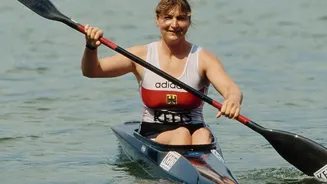
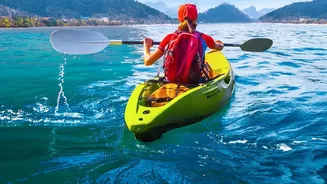
the kayak is the most intuitive entry point to paddle sports. With a low center of gravity, you sit close to the water, which provides an immediate sense of stability and security. This makes kayaks, especially the sit-on-top variety, highly resistant to tipping and very reassuring for anyone nervous about balancing. The learning process is typically quick; most beginners can get the hang of the double-bladed paddle and start moving across the water almost immediately. This makes kayaking an excellent choice if your goal is to cover distance, explore shorelines, or simply enjoy a relaxing day on the water without a steep learning curve. Its design also makes it more suitable for cooler or windy conditions.
The Paddleboard: A Core Workout with a View
Stand-up paddleboarding (SUP) offers a completely different perspective and physical challenge. Standing on the board provides a superior vantage point, allowing you to see down into the water to spot marine life and enjoy expansive views. While it looks intimidating, many beginners are surprised at how quickly they can find their balance on a wide, stable board, often progressing from kneeling to standing in their first session. The main appeal of paddleboarding is the fitness aspect. It's a full-body workout that heavily engages your core, legs, and stabilizing muscles as you balance and propel yourself. Every paddle stroke works your arms, shoulders, and back, making it an excellent choice for those seeking a low-impact, high-reward fitness activity.
Comparing the Learning Curve and Effort
When it comes to ease of use, kayaking generally has the advantage in the first five minutes. The seated position removes the balance challenge, allowing you to focus purely on paddling. In contrast, paddleboarding requires active balance, which can take a short period to master. However, the SUP learning curve is often short and rewarding. Once you find your stability, the board offers more freedom of movement—you can stand, kneel, or even sit. Kayaking is often more efficient for longer distances, requiring less energy to maintain speed, while paddleboarding provides a more intense workout over shorter periods.
Why Renting Is Your Smartest First Step
Before committing to a purchase, which can involve a significant investment, renting is the most practical approach. Renting allows you to experiment with both kayaking and paddleboarding for a fraction of the cost of buying. This 'try before you buy' strategy helps you determine which activity you genuinely enjoy more without long-term commitment. Furthermore, owning a kayak or paddleboard comes with logistical challenges, including transportation and storage. Kayaks can be bulky and require a roof rack, while even inflatable paddleboards take up space. Renting eliminates these concerns entirely. You simply show up, grab your gear, and hit the water.
What to Look for in a Rental
When you're ready to rent, look for an outfitter located on or very near calm, flat water, such as a lake, protected bay, or slow-moving river. This provides a forgiving environment for learning. Inform the rental staff that you are a beginner. They can recommend the most stable, user-friendly equipment, which typically means a wider, sit-on-top kayak or a wide, all-around paddleboard. A quality rental shop should also provide essential safety gear, including a properly fitted personal flotation device (PFD), and offer basic instructions on paddling techniques and safety before you launch. Getting local insight on where to paddle can also make your first experience much more enjoyable.